
¤ 7 minutes Read
Jal Mahal Travel Guide – Explore Jaipur's Iconic Water Palace

Jal Mahal, meaning “Water Palace,” is one of Jaipur’s most picturesque landmarks, gracefully situated in the middle of Man Sagar Lake. Surrounded by the scenic Aravalli Hills, this architectural marvel is admired for its tranquil setting, elegant Rajput design, and stunning reflection on the lake’s calm waters. Built using red sandstone, Jal Mahal is a captivating symbol of Rajasthan’s royal heritage and one of the most photographed attractions in Jaipur. Originally constructed in the 18th century by Maharaja Madho Singh I and later renovated by Maharaja Jai Singh II, Jal Mahal was designed as a royal retreat and hunting lodge. Although visitors cannot enter the palace itself, they can enjoy breathtaking views from the lakeside promenade, admire its unique architecture, and observe the rich birdlife around Man Sagar Lake.
Things to See at Jal Mahal
Jal Mahal is a remarkable example of Rajput architecture, beautifully blending with its serene surroundings in the middle of Man Sagar Lake. Constructed using red sandstone, the palace features elegant symmetry, graceful pavilions, intricately carved balconies, and beautifully designed terraces. Its unique design creates the illusion of a floating palace, making it one of Jaipur’s most iconic architectural landmarks.
Floating Palace Design
Jal Mahal is renowned for its unique construction in the center of Man Sagar Lake. During periods of high water levels, only the top floor remains visible above the lake, creating the illusion of a floating palace.
Elegant Rajput Architecture
The palace showcases classic Rajput design elements, including finely carved balconies, decorative arches, symmetrical façades, and beautifully crafted chhatris (domed pavilions).
Scenic Terraces
The upper terraces offer panoramic views of Man Sagar Lake, the Aravalli Hills, and the surrounding landscape, adding to the palace’s picturesque appeal.
Beautiful Chhatris and Pavilions
Graceful chhatris and open pavilions enhance the palace’s architectural beauty while providing airy spaces that complemented its role as a royal retreat.
Harmony with Nature
The palace’s design blends seamlessly with the surrounding lake and hills, creating one of Jaipur’s most tranquil and photogenic landscapes.
Things to See at Jal Mahal
Jal Mahal offers visitors a unique blend of architectural beauty, scenic landscapes, and tranquil surroundings. Although the palace interiors are not open to the public, there are plenty of attractions to admire around Man Sagar Lake.
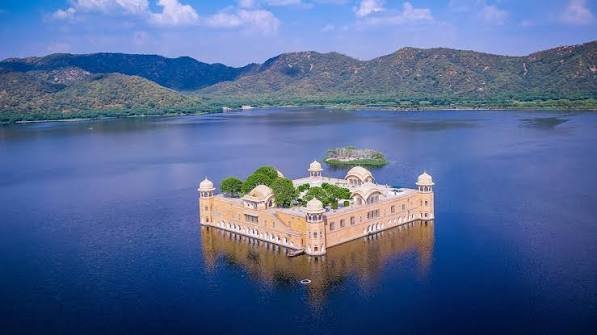
Jal Mahal Viewpoint
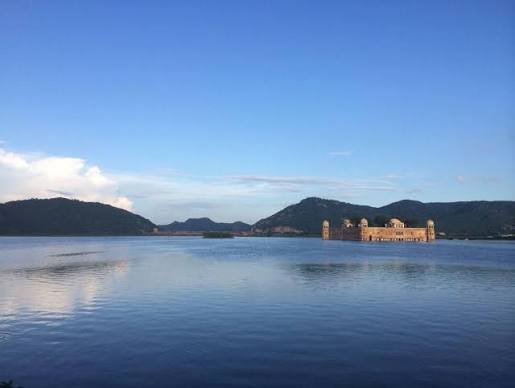
Man Sagar Lake
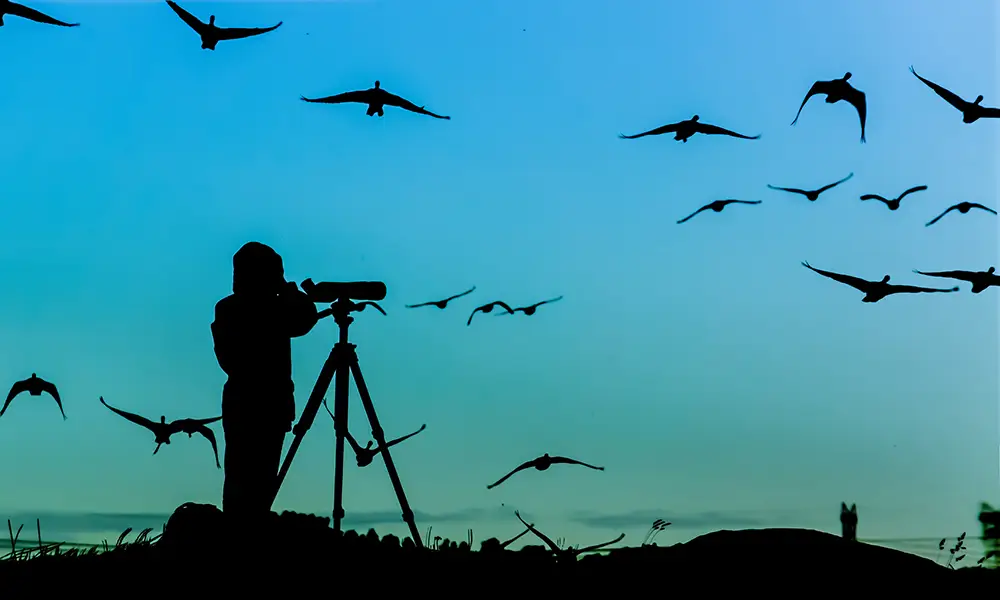
Bird Watching
Sunset Views
History of Jal Mahal
Jal Mahal is one of Jaipur’s most iconic landmarks, celebrated for its unique location in the middle of Man Sagar Lake and its elegant Rajput architecture. Built during the 18th century, the palace served as a royal retreat and hunting lodge for the rulers of Jaipur. Today, it stands as a symbol of Rajasthan’s architectural brilliance and royal heritage.
Construction of the Palace
Maharaja Madho Singh I commissioned Jal Mahal as a serene retreat where the royal family could relax amidst the scenic beauty of Man Sagar Lake and the surrounding Aravalli Hills.
Royal Leisure Retreat
The palace served as a venue for royal gatherings, leisure activities, and duck hunting expeditions, offering the Jaipur rulers a peaceful escape from the bustling city.
Restoration and Conservation
Over the years, Jal Mahal underwent restoration and conservation efforts to preserve its architectural beauty and protect the surrounding ecosystem of Man Sagar Lake.
A Landmark of Jaipur
Today, Jal Mahal is one of Jaipur’s most photographed attractions. Although the palace itself is not open to the public, its stunning lakeside setting and historical significance continue to attract visitors from around the world.
Built
18th Century
Built By
Maharaja Madho Singh I
Renovated By
Maharaja Sawai Jai Singh II
Purpose
Royal Retreat and Hunting Lodge
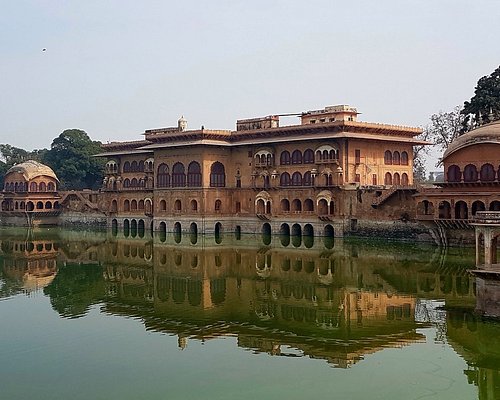
Interesting Facts About Jal Mahal
Jal Mahal is one of Jaipur’s most iconic landmarks, admired for its unique location in the middle of Man Sagar Lake and its elegant Rajput architecture. Its picturesque setting and fascinating history make it one of Rajasthan’s most photographed attractions.
- Built in the 18th century by Maharaja Madho Singh I
- Located in the middle of Man Sagar Lake
- Showcases elegant Rajput architecture
- Surrounded by the scenic Aravalli Hills
- One of Jaipur’s most photographed landmarks
- A popular spot for birdwatching, especially during winter
Nearby Attractions
Jal Mahal is conveniently located near several of Jaipur’s most famous attractions, allowing visitors to explore the city’s rich history, architecture, and culture in a single trip.
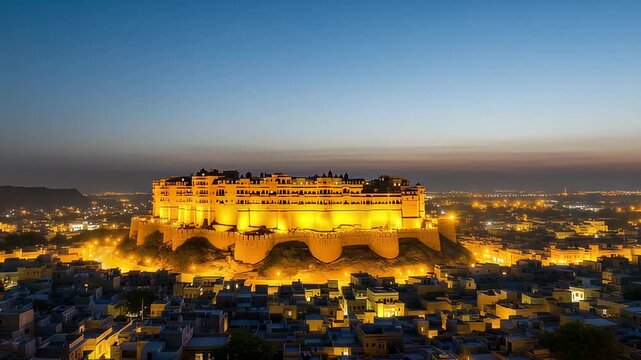
Amber Fort

Nahargarh Fort
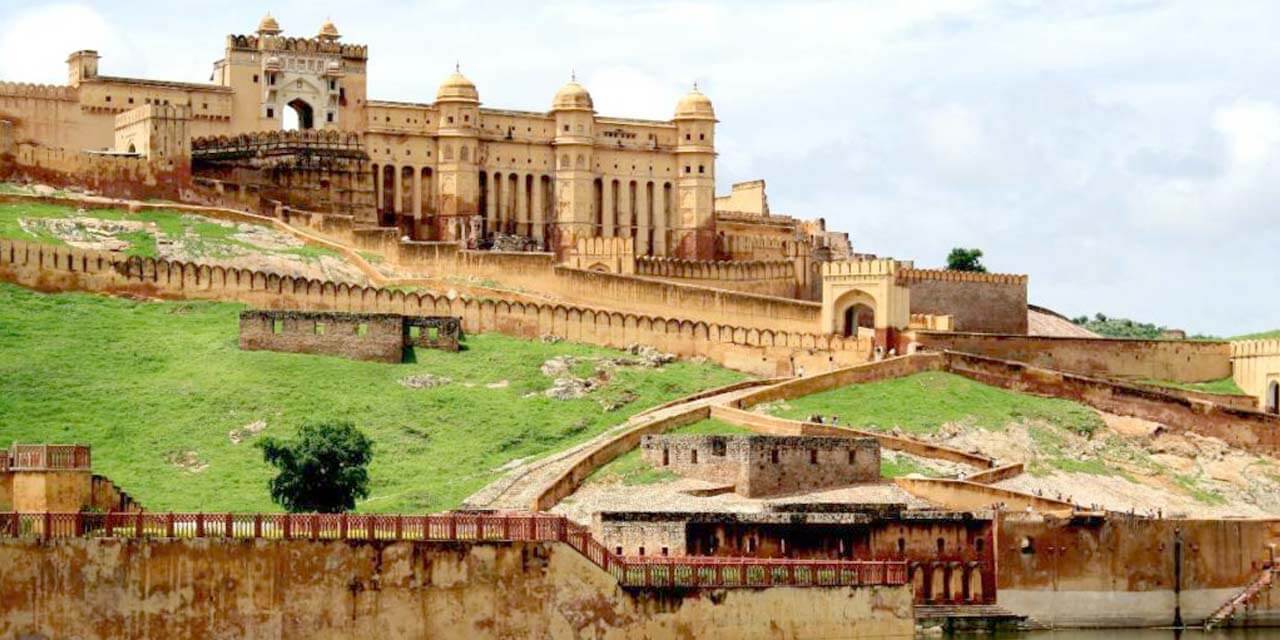
Jaigarh Fort

City Palace Jaipur
Conclusion
Jal Mahal is one of Jaipur’s most enchanting landmarks, admired for its unique location in the middle of Man Sagar Lake and its elegant Rajput architecture. Surrounded by the scenic Aravalli Hills, the Water Palace offers breathtaking views, especially during sunrise and sunset, making it a favorite destination for photographers and nature lovers. Although the palace interiors are not open to visitors, its serene setting, historical significance, and architectural beauty make it a must-visit attraction in the Pink City. Whether you are exploring Jaipur’s royal heritage or simply enjoying its picturesque landscapes, Jal Mahal promises a memorable and tranquil experience.
Explore Jaipur
Varanasi Blogs
- Uttar Pradesh Cultural guide
- Places to visit in Varanasi
- Places to visit nearby Varanasi
- India’s most popular destination
- India’s archaeological marvels
Recommended articles
- Uttar Pradesh Cultural guide
- Places to visit in Varanasi
- Places to visit nearby Varanasi
- India’s most popular destination