
¤ 7 minutes Read
Panna Meena Ka Kund Jaipur - A Historic Stepwell
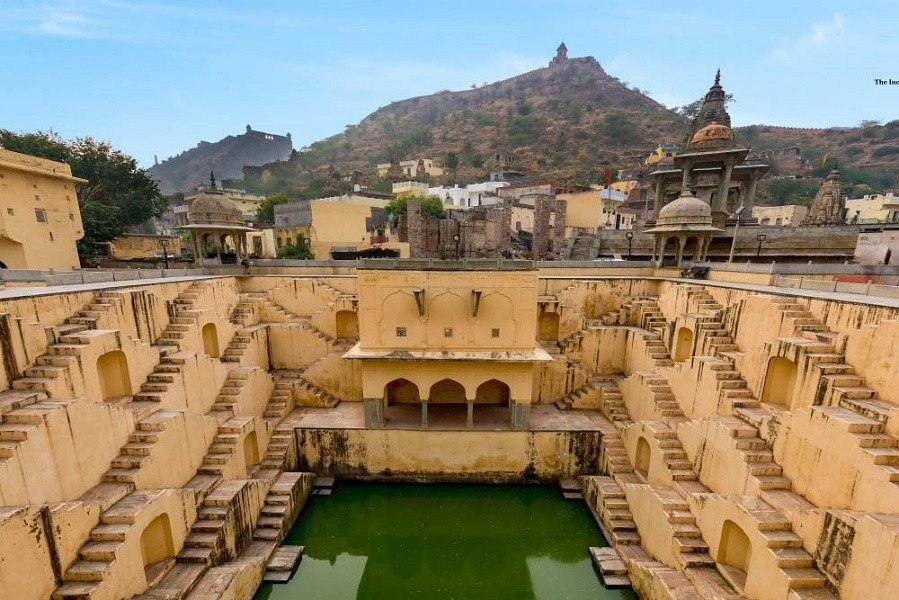
Panna Meena Ka Kund is a historic stepwell located near the magnificent Amber Fort in Jaipur. Known for its striking geometric design and perfectly symmetrical staircases, the stepwell is one of the finest examples of traditional Rajasthani water architecture. Its distinctive yellow and ochre walls create a beautiful visual pattern that attracts history enthusiasts, photographers, and architecture lovers. Built to provide a reliable source of water for the local community, the stepwell also served as a social gathering place.
Architecture of Panna Meena Ka Kund Jaipur
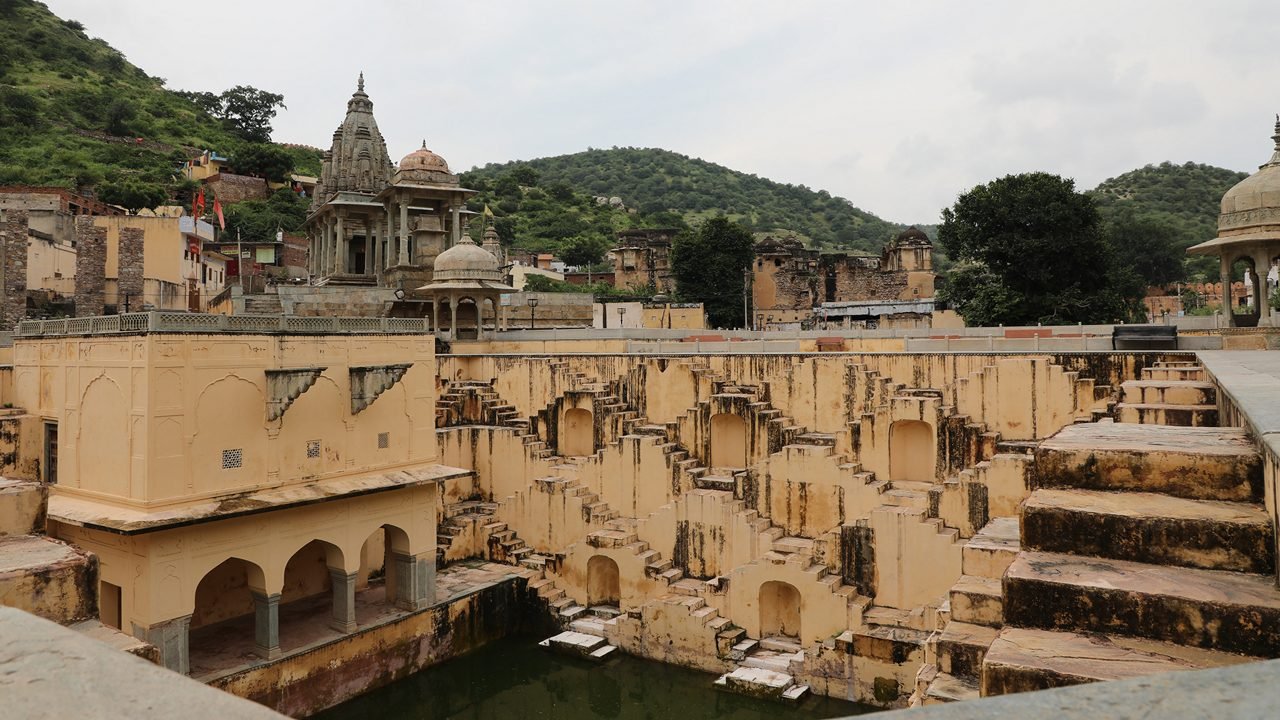
Panna Meena Ka Kund is admired for its distinctive geometric design and symmetrical arrangement of steps. Built using traditional Rajasthani techniques, the stepwell combines practical water management with striking architectural beauty.
Symmetrical Staircases
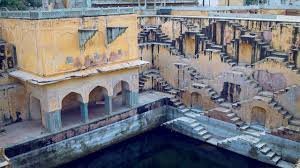
The most striking feature is the series of zigzagging staircases arranged in a precise geometric pattern along the walls of the stepwell.
Deep Stepwell Structure
The kund descends several levels below ground, allowing people to access water even when the water level dropped during dry periods.
Arched Niches
Small arched openings and recessed sections along the walls add visual detail while complementing the stepwell’s functional design.
Warm Earthy Tones
The sandstone and masonry surfaces create the characteristic warm yellow and ochre appearance associated with the historic architecture of the Amber region.
Functional and Decorative Design
Panna Meena Ka Kund demonstrates how traditional Rajasthani architecture combined practical water conservation with carefully planned and visually appealing structures.
Things to See at Panna Meena Ka Kund Jaipur
Panna Meena Ka Kund is best known for its striking step patterns and historic surroundings. Visitors can explore the structure and appreciate its unique blend of functionality and traditional craftsmanship.
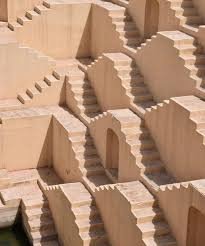
Symmetrical Stairways
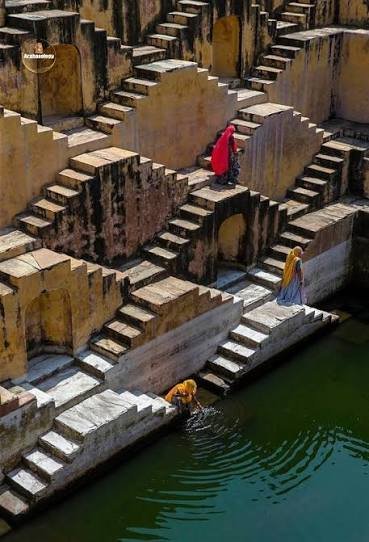
Central Water Reservoir
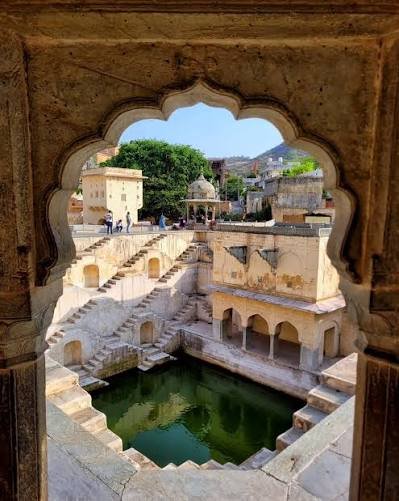
Arched Niches
Amber Fort Views
Interesting Facts About Panna Meena Ka Kund Jaipur
Panna Meena Ka Kund is one of Jaipur’s most visually distinctive stepwells, combining ingenious water management with remarkable geometric architecture.
- Built as a traditional water-harvesting structure
- Located near Amber Fort
- Known for its symmetrical zigzag stairways
- Built using traditional masonry techniques
- A popular heritage and photography spot
History of Panna Meena Ka Kund Jaipur
Panna Meena Ka Kund is a historic stepwell located near Amber Fort and is believed to date back to the 16th century. It was built as a community water source and played an important role in the daily life of people living around the Amber region.
A Traditional Water Source
The stepwell was designed to collect and store rainwater, providing the local community with access to water throughout the year. Its deep structure allowed people to reach the water even when levels changed.
Community Gathering Place
Beyond its practical purpose, the kund served as a social space where locals gathered, rested, and interacted while collecting water.
Connection to Amber
Its location close to Amber Fort reflects the importance of stepwells in the historic settlements surrounding the former capital of Jaipur.
Preserving Traditional Engineering
Today, Panna Meena Ka Kund stands as an impressive example of Rajasthan’s traditional water-management techniques and continues to attract visitors interested in history, architecture, and heritage.
Period
16th Century
Location
Amer, Jaipur
Purpose
Water Storage and Community Use
Architectural Style
Traditional Rajasthani Stepwell Architecture
Nearby Attractions
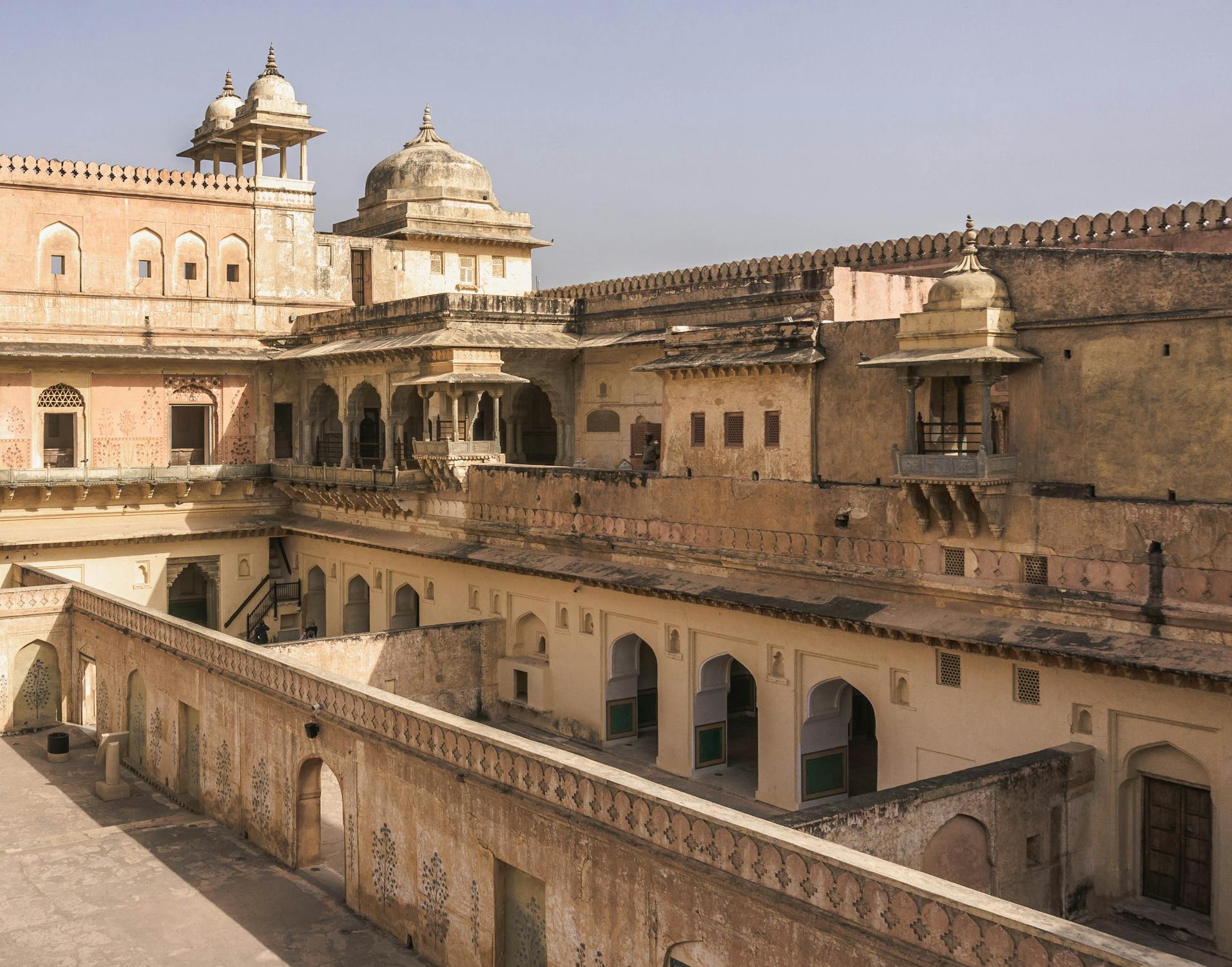
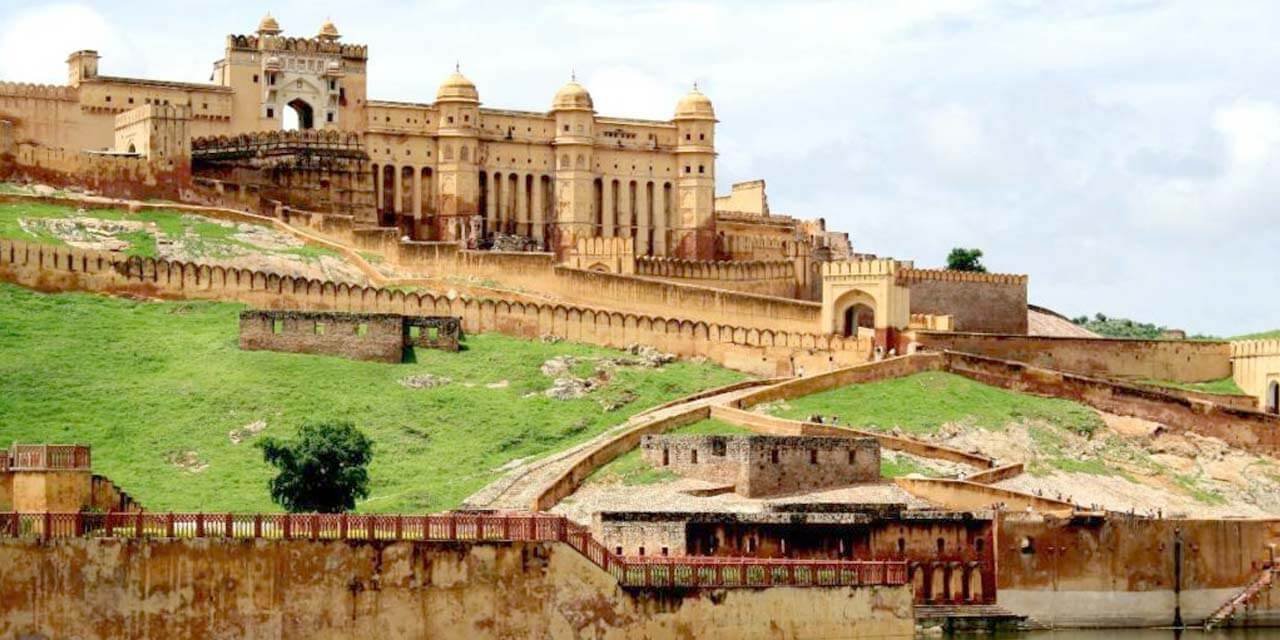
Panna Meena Ka Kund is located in the historic Amer area, surrounded by several of Jaipur’s most famous forts, palaces, temples, and heritage landmarks.
Amber Fort
Jaigarh Fort
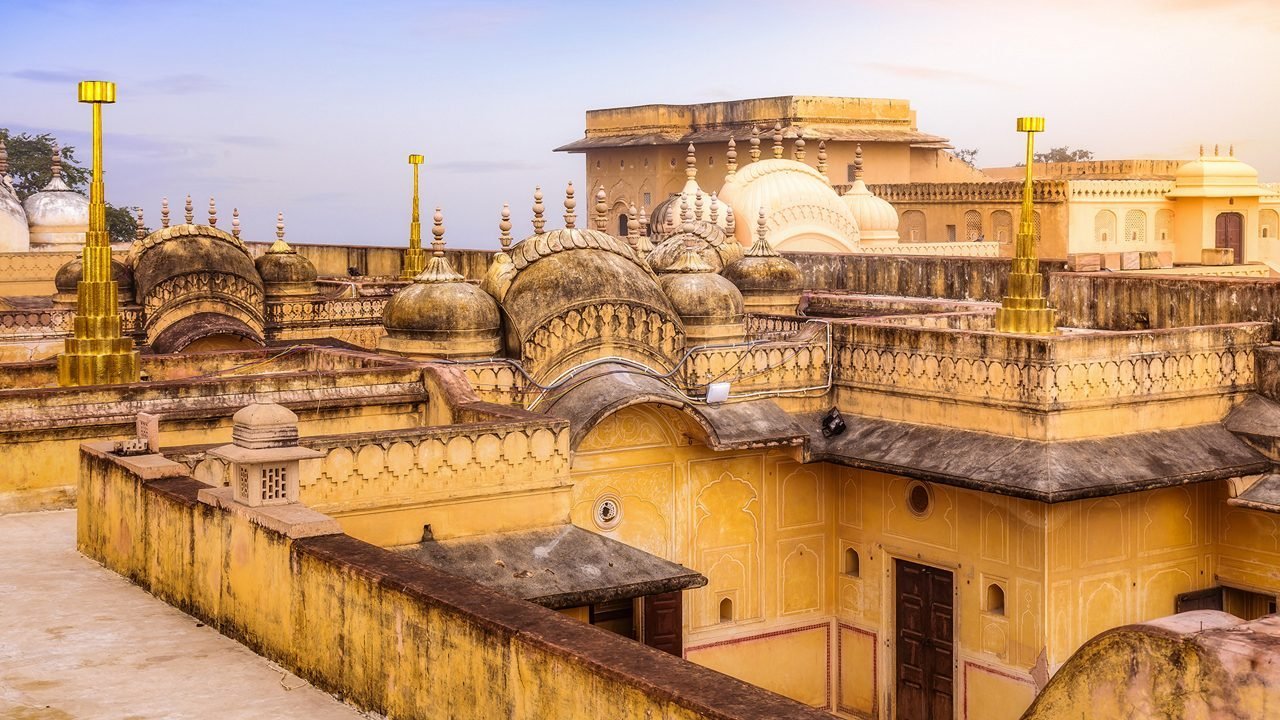
Nahargarh Fort
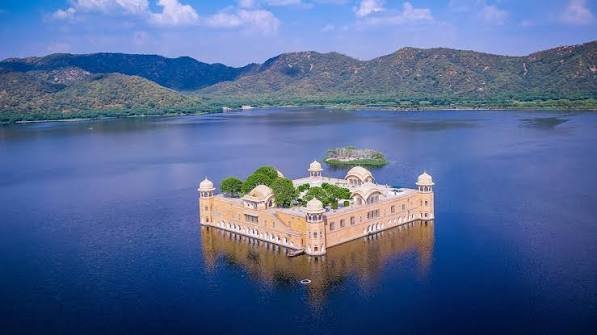
Jal Mahal
Conclusion
Panna Meena Ka Kund is a remarkable example of Rajasthan’s traditional water architecture, combining practical engineering with striking geometric design. Its symmetrical stairways, historic significance, and proximity to Amber Fort make it a worthwhile stop for anyone exploring Jaipur’s heritage. Whether you are interested in architecture, history, photography, or traditional water conservation, this beautiful stepwell offers a unique glimpse into the ingenuity of historic Rajasthan.
Explore Rajasthan

Varanasi Blogs
- Uttar Pradesh Cultural guide
- Places to visit in Varanasi
- Places to visit nearby Varanasi
- India’s most popular destination
- India’s archaeological marvels
Recommended articles
- Uttar Pradesh Cultural guide
- Places to visit in Varanasi
- Places to visit nearby Varanasi
- India’s most popular destination