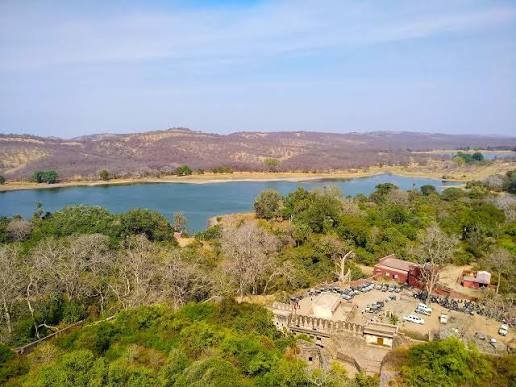
Ranthambore is best known for its Bengal tigers, but the landscape offers much more than a wildlife safari. Located in southeastern Rajasthan, the park combines dry deciduous forests, rocky hills, lakes and open grasslands, creating a habitat for a wide range of animals.
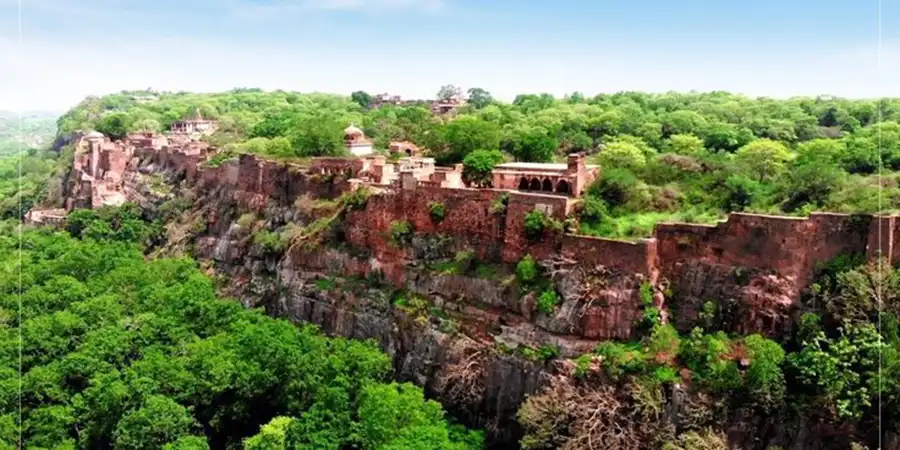
The area also carries a remarkable historical presence. Ranthambore Fort, a UNESCO World Heritage Site as part of the Hill Forts of Rajasthan, rises above the surrounding landscape within the tiger reserve. Ancient temples, ruins and reservoirs can also be found around the fort and forest.
This combination makes Ranthambore unusual: a morning safari can take you through a landscape shaped by wildlife, while the same hills contain centuries-old traces of human settlement and Rajput history.
“Who Lives Here?” - Wildlife Field Guide
Bengal Tiger
The park’s most famous resident. Look for movement near water bodies and through the forest.
Sloth Bear
Usually solitary and more difficult to spot, especially when moving through dense vegetation.
Sambhar
One of the most important prey species for tigers and a common sight around the park’s water sources.
Marsh Crocodile
Often seen basking around lakes and reservoirs.
The Tigers of Ranthambore
Tigers are the reason Ranthambore appears on so many wildlife itineraries, but a sighting is never guaranteed. The reserve provides a mix of forest, grassland and water sources that supports a healthy prey base, allowing Bengal tigers to live and hunt within the landscape.
Rather than searching only for the animal itself, safari drives often involve reading the signs around you. Sambar and spotted deer alarm calls, fresh pugmarks, movement near water and sudden silence in the forest can all make a sighting more likely.
Ranthambore Is More Than Tigers
A safari here can introduce you to a much wider range of wildlife. Sambar deer, chital, nilgai, wild boar, sloth bears, leopards and marsh crocodiles are among the animals found in the reserve. The park also supports a large variety of resident and migratory birds.
A Safari Checklist
Sambar – One of the larger deer species found across the park.
Chital – Often seen in herds in open areas and around forest edges.
Nilgai – India’s largest antelope, recognisable by its tall build.
Sloth bear – More elusive and generally harder to spot than deer.
Marsh crocodile – Look around lakes and other permanent water bodies.
Birdlife – Keep an eye out for raptors, waterbirds and colourful woodland species.
What Makes a Safari Interesting?
A Ranthambore safari is not simply a drive around looking for a tiger. The landscape itself changes as you move through the reserve, and experienced guides often pay attention to animal behaviour and smaller signs that visitors might overlook.
Water is one useful clue. During warmer periods, animals are more likely to gather around lakes and waterholes. Alarm calls from deer or other animals can also draw attention to activity nearby. Even when no large animal appears, tracks, birds, grazing herds and changing vegetation make the drive part of the experience.
Ranthambore National Park, Rajasthan
Safari Sightings: Read the Signs
Track → Look for fresh footprints or disturbed ground
Alarm call → Deer suddenly becoming alert may signal a predator
Water → Check the edges of lakes and waterholes
Movement → Watch grass and vegetation, not just open clearings
Nearby Places
Ranthambore Fort
Located within the national park, this hilltop fort is the area’s major historical attraction, with old gates, temples, walls and panoramic views.
Trinetra Ganesh Temple
Situated inside Ranthambore Fort, this historic temple is dedicated to Lord Ganesha and remains an important pilgrimage site.
Surwal Lake
A seasonal lake near Ranthambore, known for its open landscape and birdlife, particularly when water is present.
Padam Palao
The largest lake within Ranthambore National Park, surrounded by forest and rocky terrain and known for its wildlife sightings.
Conclusion
Ranthambore is a place where a wildlife reserve and a historic landscape exist side by side. Tigers may be the headline attraction, but the dry forests, lakes, rocky hills and Ranthambore Fort give the area much more to notice. A safari here is therefore not only about spotting a particular animal; it is also about experiencing a landscape where nature and centuries of human history share the same setting.