
¤ 5 minutes Read
Anguri Bagh Agra - The Historic Garden of Agra Fort
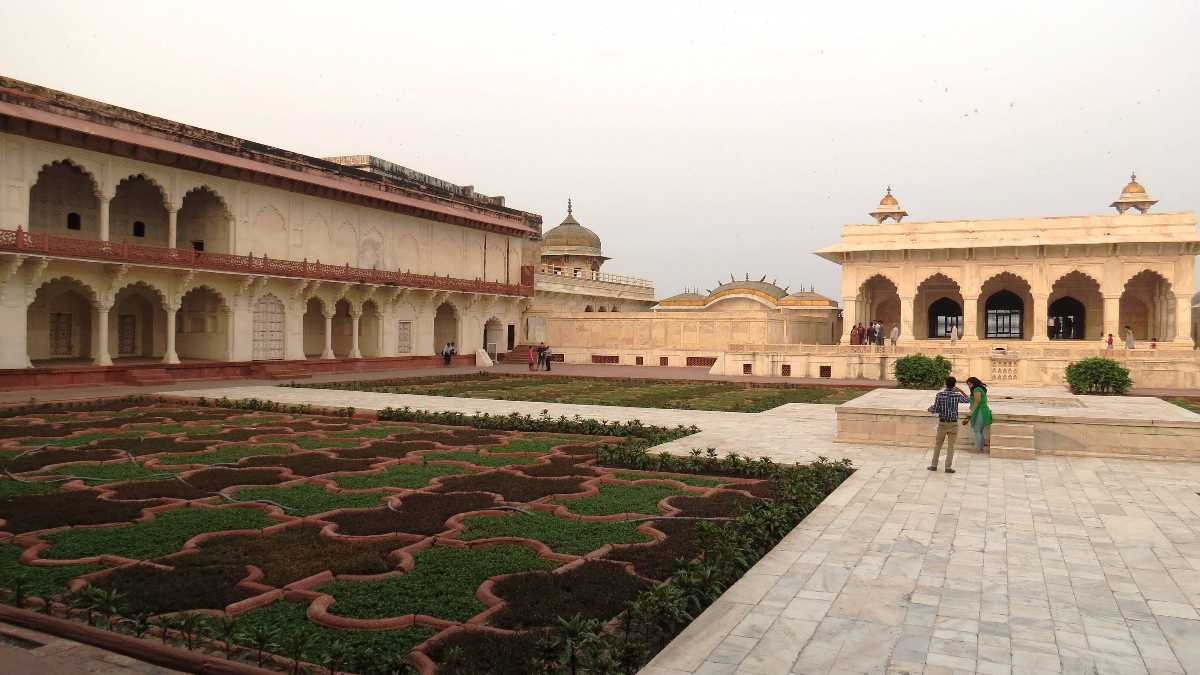
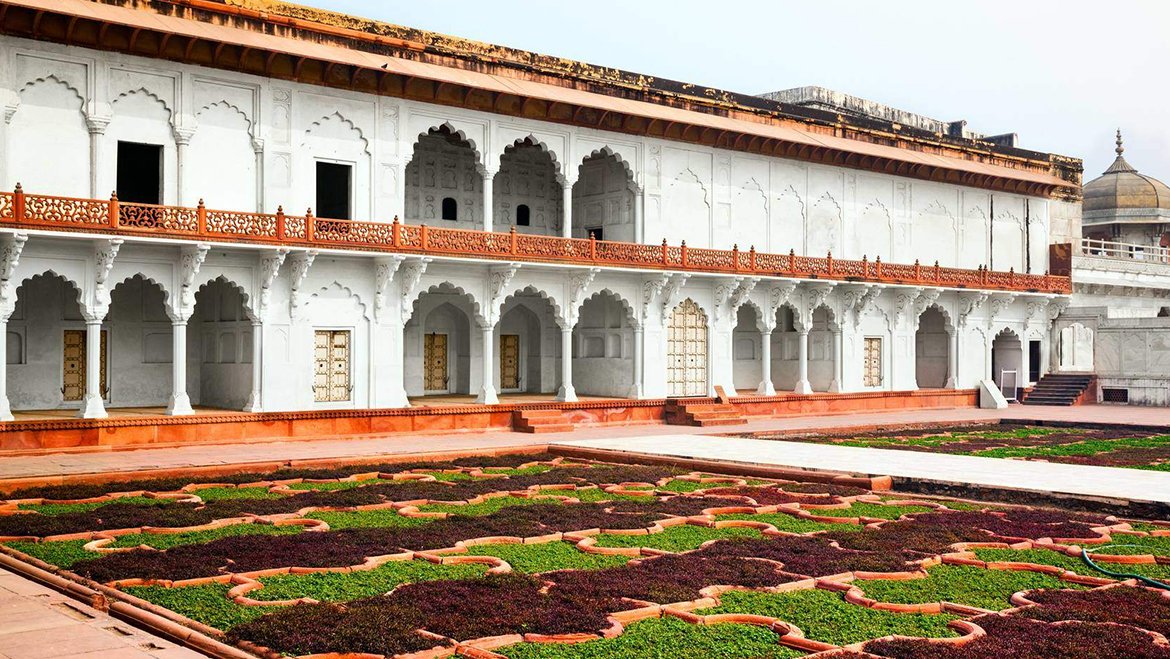
Anguri Bagh is a four-part garden inside Agra Fort set directly in front of the Khas Mahal. Anguri Bagh sits in front of the Khas Mahal, a bright spot, in the old fort. Shah Jahan built Anguri Bagh as a garden with a tidy geometric layout, fountains and blooming plants. Anguri Bagh’s name means “Grape Garden,”. It comes from the grapes that were once grown here. The garden looks different compared to the fort walls that surround it. Small red sandstone buildings are on three sides and the Khas Mahal is on the side. The garden and the palace together make one of the cozy places, inside Agra Fort.
What to Notice in Anguri Bagh
Start with the layout
The garden follows a four-part plan. Straight paths divide the space into neat sections and create a clear view towards the buildings around it.
Look towards Khas Mahal
The white-marble palace stands at the eastern end of the garden. Its pale stone creates a strong contrast with the red sandstone buildings on the other sides.
Notice the water features
Fountains and water channels formed part of the original garden design. They added movement to the straight lines of the layout and helped shape the garden’s centre.
Look at the stonework
The garden area also has carved sandstone screens and decorative elements. Some of these details have needed repair over the years, showing the continued conservation work at Agra Fort.
What Makes Anguri Bagh Different
Agra Fort has no shortage of buildings. Anguri Bagh takes an approach. Anguri Bagh uses open space, straight lines and greenery to create Anguri Baghs character.
The Fort Around It
Large red sandstone structures
Built for defence, court life and ceremonies
Strong, imposing forms
Walls and buildings dominate the view
Anguri Bagh
An open garden layout
Planned as part of the private palace area
Neat lines and balanced spaces
Khas Mahal and the garden work together
The garden also brings out a side of Agra Fort. From this spot you can see how the Mughals designed their palaces as more than a bunch of rooms. Gardens, water elements and open spaces all played a role, inside the area. Anguri Bagh is an example of that concept.
Design: A Garden Built Around Geometry
Anguri Bagh uses the four-part garden layout. Paths run through the garden splitting it into four sections. Water features and fountains are part of the design adding movement and sound. The garden is placed in front of the Khas Mahal. This means the palace and garden are meant to be seen. They form a carefully planned area. The design shows how the palace and garden connect visually and physically. The whole space feels balanced and intentional. Straight lines divide garden into sections while water features bring movement into otherwise orderly space. Surrounding buildings also help frame garden. Give garden a more enclosed feel.
Four sections
The garden follows a clear four-part plan.
Water features
Fountains form an important part of the garden’s design.
Khas Mahal
The palace stands directly beside the garden and shapes its setting.
Floral decoration
Older marble surfaces carried floral designs that have faded with age.
One detail that deserves attention is the white-marble decoration, around the garden. Floral patterns once added colour and detail to the marble surfaces although much of this decoration has faded over time. The intricate designs that once stood out in hues now blend softly with the stone giving the space a quieter more subdued beauty. It’s a reminder of how time changes things in the most carefully crafted places. The garden still holds its charm with the fading artistry.
History of Anguri Bagh
Anguri Bagh grow during Shah Jahan’s reign as part of the palace area inside Agra Fort. Anguri Bagh lies in front of Khas Mahal, the emperor’s white marble residence. Is different, from the fort’s huge courtyards and public halls. Anguri Bagh served the household and offered a more enclosed setting. The Mughals split the garden into four parts. Put in water channels, fountains and places where plants were grown. Grapes were grown here which is why the place is called Anguri Bagh meaning “Grape Garden.” The buildings, around it were part of the living areas so the garden acted as a part of the palace instead of being a different place to visit.
Conclusion: A Garden Worth Looking Beyond the Fort Walls
Anguri Bagh is easy to overlook when exploring the larger Agra Fort.. Anguri Bagh adds a different dimension to the complex. Created during Shah Jahan’s reign Anguri Bagh formed part of the residential area around Khas Mahal. Its planned layout, surviving stonework and position, within the palace complex show how much thought went into the spaces of a Mughal residence.
Explore Uttar Pradesh

Varanasi Blogs
- Uttar Pradesh Cultural guide
- Places to visit in Varanasi
- Places to visit nearby Varanasi
- India’s most popular destination
- India’s archaeological marvels
Recommended articles
- Uttar Pradesh Cultural guide
- Places to visit in Varanasi
- Places to visit nearby Varanasi
- India’s most popular destination