
¤ 7 minutes Read
Chini Ka Rauza Agra - A Persian-Style Tomb of Glazed Tiles
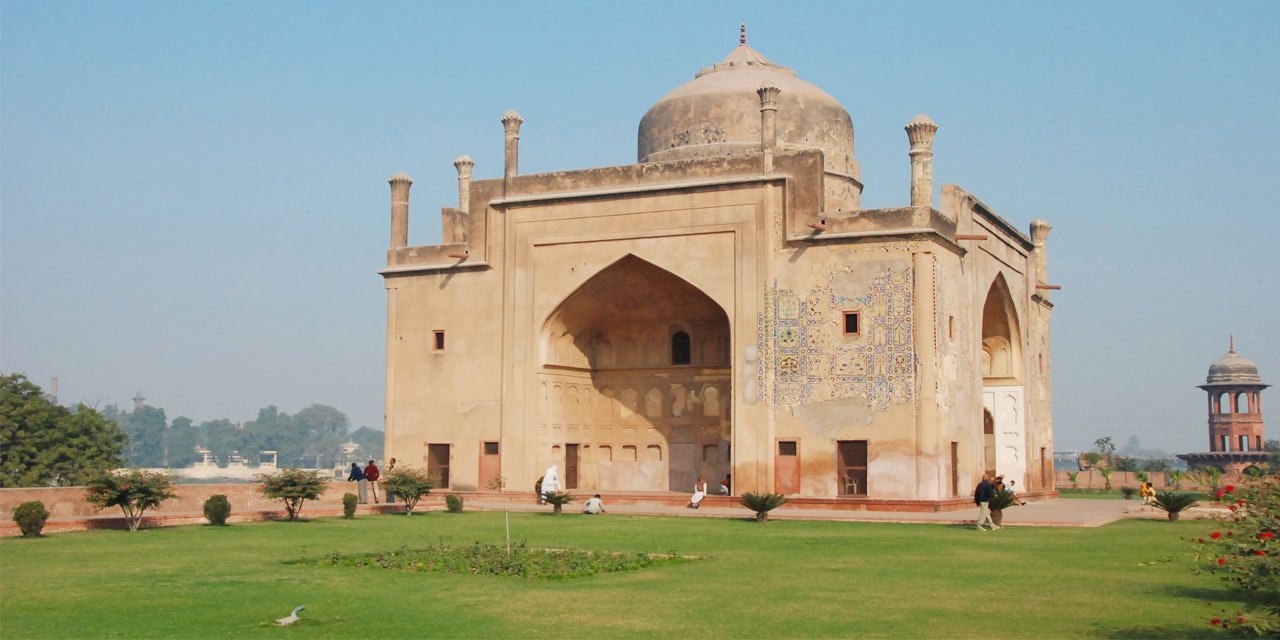
Chini Ka Rauza is one of those Agra monuments that can be easily missed if one follows the usual Taj Mahal-Agra Fort route. Standing on the bank of the Yamuna Chini Ka Rauza was built around 1635 for Allama Afzal Khan ‘Mullah Shukrullah Shirazi’ a poet‑scholar who served as a prime minister, under Shah Jahan. What immediately sets Chini Ka Rauza apart is its glazed‑tile exterior, known as kashi or chini work. The blue and turquoise tiles are particularly striking on the river‑facing facade.
A Tomb for a Court Scholar
Allama Afzal Khan was not a Mughal emperor, but a Persian poet, scholar and senior official at Shah Jahan’s court. His tomb offers a glimpse into the people who held important positions within the Mughal administration.
Agra’s Glazed-Tile Landmark
The name Chini Ka Rauza is closely linked to the glazed tiles that cover the monument. Of depending mostly on carved marble or red sandstone the decoration focuses on color, pattern and tilework inspired by Persian styles.
A Riverside Setting
The tomb stands close to the Yamuna, around 1 km north of Itmad-ud-Daulah’s Tomb. Its location makes it particularly easy to include in the quieter riverside heritage circuit of Agra.
What Makes Chini Ka Rauza Different?
Chini Ka Rauza stands out not because of its size. When you look at it next to the forts and the famous marble tombs, in Agra it seems small. Still it has a charm. The decoration makes it special. It’s especially important because it shows how Persian artistic styles were brought to life using glazed tiles.
Look at the Colour
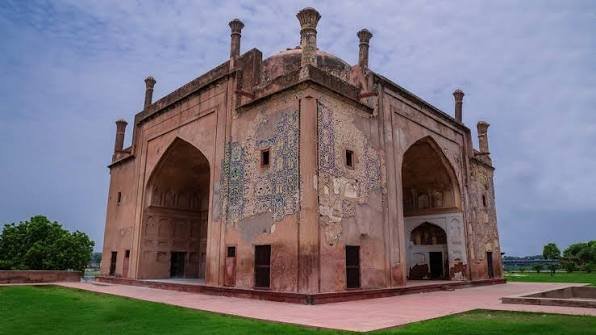
Blue and turquoise glazed tiles remain visible on parts of the façade. Blue and turquoise glazed tiles can be seen on the side facing the Yamuna. Blue and turquoise glazed tiles and the surviving colours are what make the monument immediately recognisable.
Look Beyond the Name
The name is commonly associated with chini, or Chinese clay/porcelain. Historical descriptions connect the glazed material with this tradition, although the decoration itself reflects the work of artisans in the Mughal world.
Look Inside
The outside has lost a lot of its tile work but inside you can still see beautiful floral patterns and Persian-style decorations. That’s why it’s worth going instead of just taking pictures from the outside. You get a better feel, for the place when you step in and look around.
Look at Its Location
The tomb sits on the Yamuna’s left bank, just 1 km north of Itmad-ud-Daulah’s Tomb. It works particularly well as part of a quieter riverside heritage route with Itmad-ud-Daulah and Ram Bagh.
What Makes the Architecture Special ?
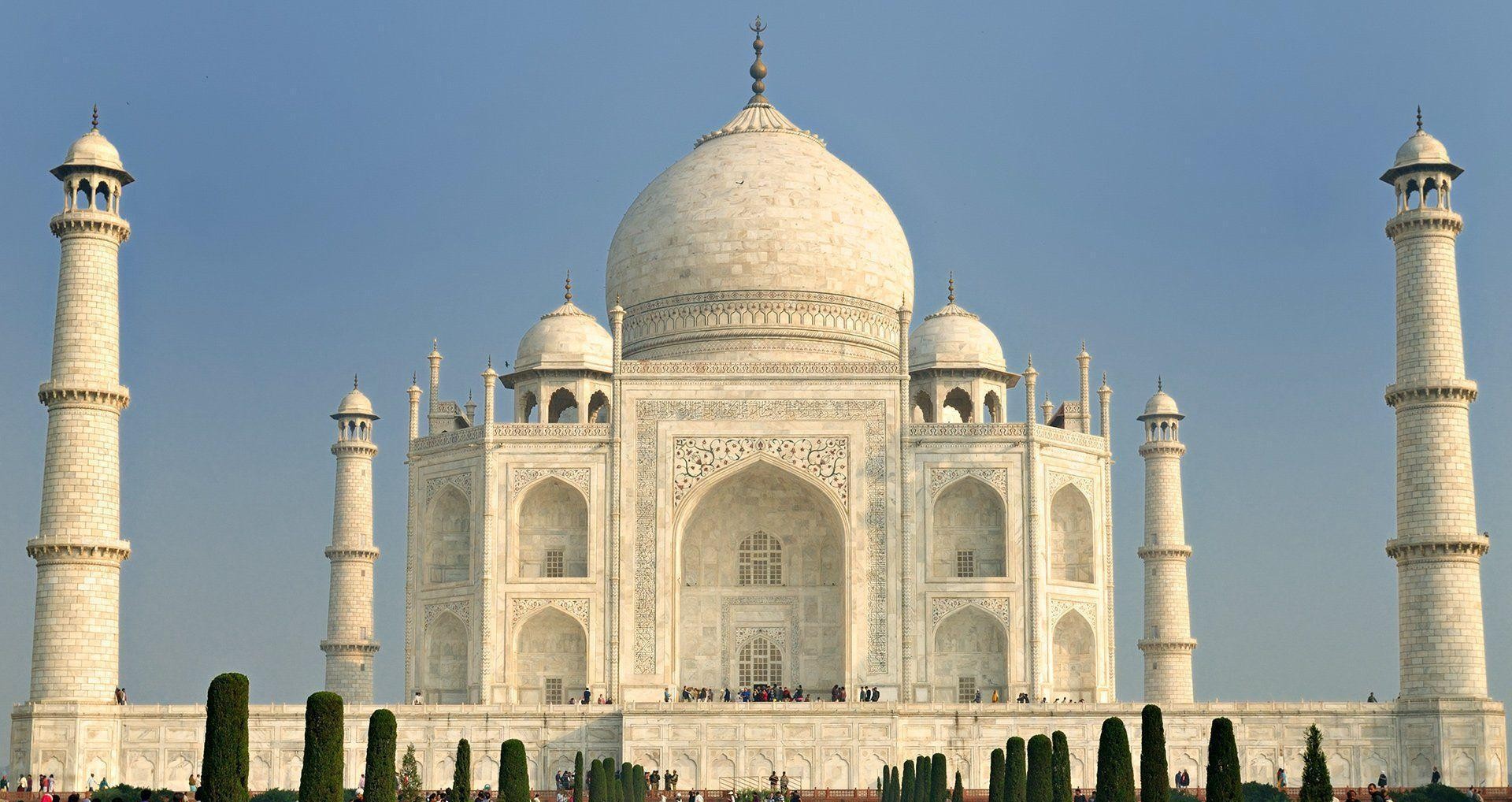
Unlike the white marble of the Taj Mahal, Chini Ka Rauza relies on painted and glazed colour on surface patterns and, on Persian-inspired ornamentation. Much of the decoration has worn away over time but enough still remains to show why Chini Ka Rauza is seen as an important example of Indo‑Persian decorative art.
A Few Things to Keep in Mind
- Visit during daylight so the remaining glazed colours are easier to appreciate.
- Combine it with Itmad-ud-Daulah and Ram Bagh rather than making a separate trip.
- Spend some time examining the surviving exterior tiles and interior floral decoration.
- The monument is quieter than Agra’s headline attractions, making it suitable for a slower heritage visit.
- Follow ASI instructions regarding photography and access to protected areas.
Architecture: A Mughal Tomb in Persian Colours
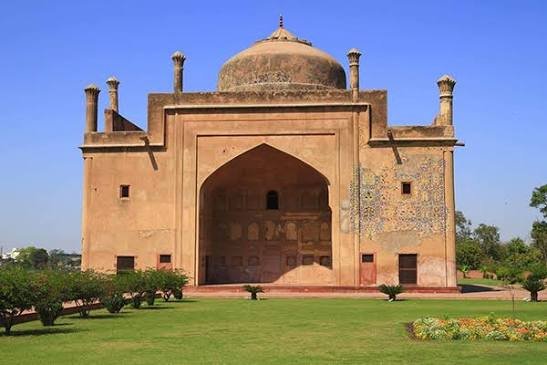
Chini Ka Rauza is different from Agra’s famous Mughal sites because colour plays a big role in its design. The tomb is built on a shape with a big central room and a tall dome that catches the eye. Many of the decorations come from art styles and the glazed kashi work on the outside makes it look unique. You don’t see this kind of look often in Mughal buildings, in Agra.
Glazed Kashi Work
I see that the monument gets its name from the glazed work that covers its surfaces. Blue and turquoise stand out most on the surviving river-facing façade. I also notice traces of green orange and other colours, in the patterned designs. The work includes geometric motifs and decorative inscriptions.
A Distinctive Dome
The dome gives the tomb a different silhouette, than the familiar Mughal domes seen in Agra. The dome’s shape shows Sultanate and Persian touches, which makes the dome a fascinating example of how varied Mughal‑style architecture can be.
Persian Artistic Influence
Afzal Khan himself was a poet and scholar and I see that Afzal Khan’s monument reflects Persian cultural background. Floral designs, calligraphic decoration and colourful glazed surfaces give the tomb a Persian visual character.
Timings
Open from sunrise to sunset, every day.
Entry Fee
Free entry for visitors
Location
Left bank of the Yamuna, around 1 km north of Itmad-ud-Daulah’s Tomb.
Getting There
Auto-rickshaws can reach the monument
Nearby Places to Add to Your Agra Itinerary
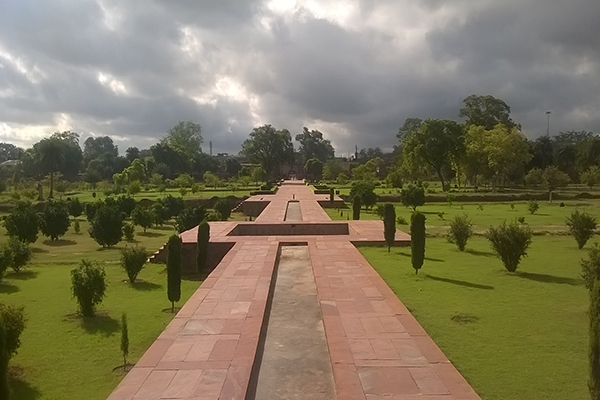
Chini Ka Rauza works best as part of a Yamuna-side heritage route rather than as an isolated stop. It is especially convenient to combine with Itmad-ud-Daulah and Ram Bagh, both of which are nearby.
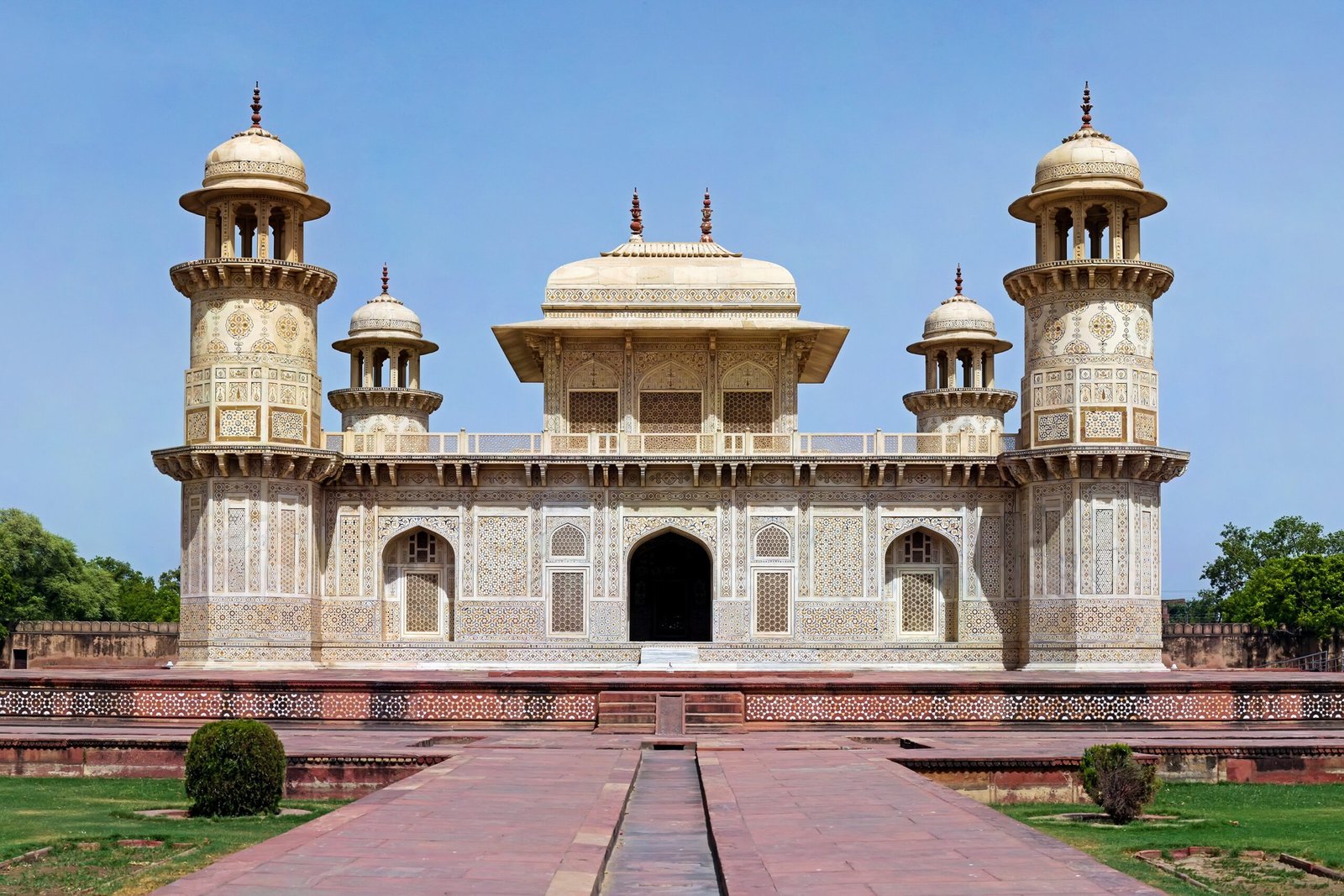
Itmad-ud-Daulah’s Tomb
Ram Bagh

Agra Fort
Taj Mahal
Conclusion: Why Chini Ka Rauza Is Worth Seeing
Chini Ka Rauza might not have the size of Agra Fort or the reputation of the Taj Mahal. That is exactly what makes it special. The bright colored tiles on the walls add a feel that is not often found among the Mughal buildings in Agra. It also has a link to Allama Afzal Khan, which brings attention to the intellectuals and people who worked in the court of Shah Jahan. The place also fits well into a peaceful heritage path along the Yamuna River especially near Itmad-ud-Daulah and Ram Bagh. For visitors who like to explore beyond the famous sights, in Agra, Chini Ka Rauza provides a better view of the citys Persian artistic style and the less known parts of Mughal architecture.
Explore Uttar Pradesh

Varanasi Blogs
- Uttar Pradesh Cultural guide
- Places to visit in Varanasi
- Places to visit nearby Varanasi
- India’s most popular destination
- India’s archaeological marvels
Recommended articles
- Uttar Pradesh Cultural guide
- Places to visit in Varanasi
- Places to visit nearby Varanasi
- India’s most popular destination