
¤ 7 minutes Read
Itmad-ud-Daulah Tomb Agra - A Marble Mughal Masterpiece
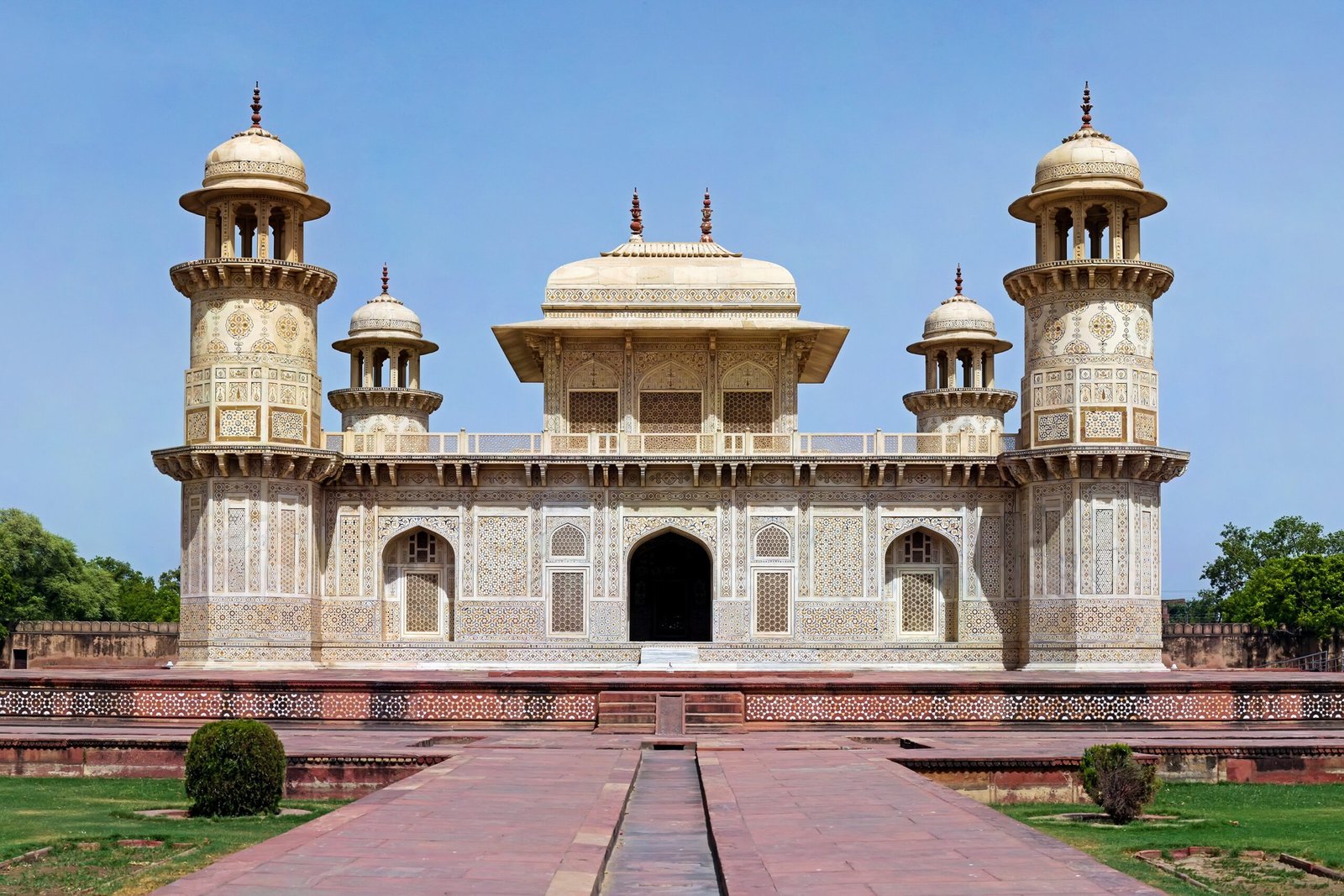
Itmad-ud-Daulah Tomb is one of Agra’s most elegant Mughal monuments and an important landmark in the history of Mughal architecture. Often called the “Baby Taj” because of its delicate design and extensive use of white marble, the tomb stands on the eastern bank of the Yamuna River. It was built in the 17th century for Mirza Ghiyas Beg, the father of Empress Nur Jahan, during the reign of Emperor Jahangir. Unlike the massive scale of the Taj Mahal, Itmad-ud-Daulah Tomb is known for its refined details, delicate marble screens, colourful stone inlay, and balanced garden setting. The monument combines Persian influences with emerging Mughal architectural styles, making it an important step in the development of later Mughal architecture.
Built In
Between 1622 and 1628.
Built By
Empress Nur Jahan
Nickname
Baby Taj
Dedicated To
Mirza Ghiyas Beg, Nur Jahan’s father
Things to See at Itmad-ud-Daulah Tomb
Itmad-ud-Daulah Tomb offers plenty to admire beyond its overall beauty. From delicate marble screens and colourful stone inlay to its peaceful garden setting, each part of the monument showcases the craftsmanship of the Mughal era.
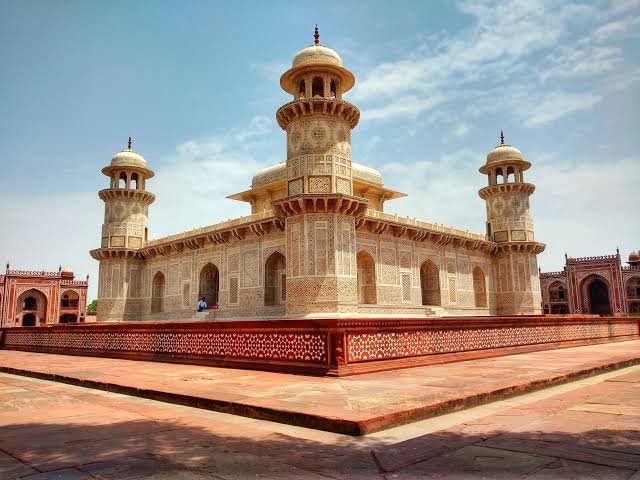
Main Mausoleum
Explore the elegant white-marble mausoleum, which forms the centrepiece of the complex. Its compact design and detailed decoration give it a distinctive jewel-like appearance.
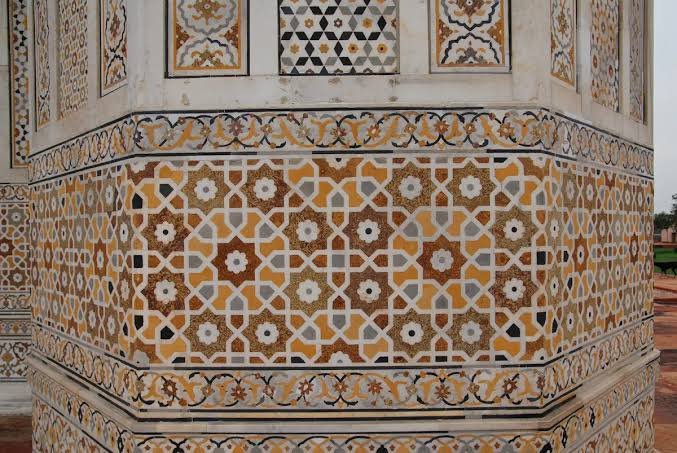
Intricate Pietra Dura Work
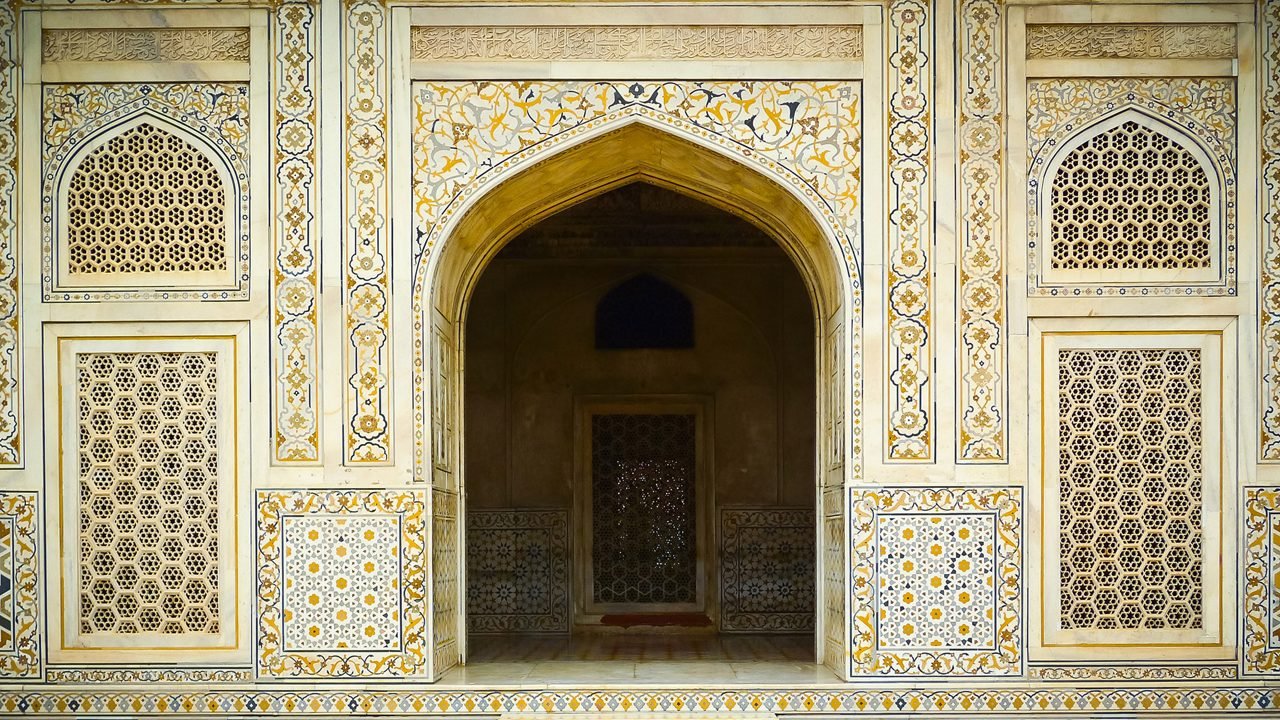
Look closely at the colourful inlay patterns made with semi-precious stones. Floral designs, vases, cypress trees, and other motifs decorate the marble walls.
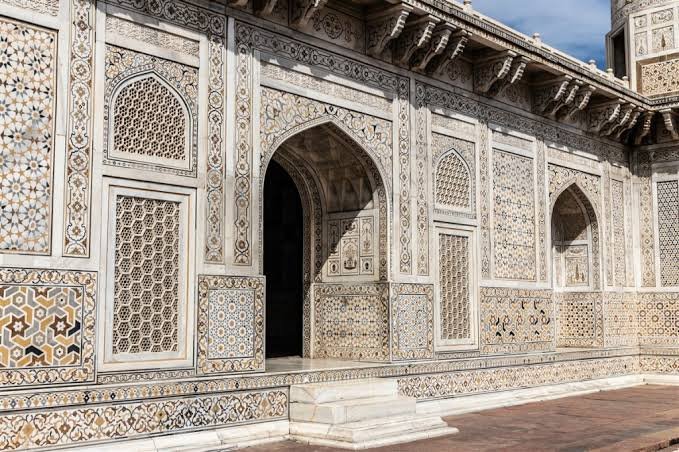
Marble Jali Screens
The finely carved marble jali screens are among the tomb’s most impressive features. They allow soft light into the interiors while adding intricate patterns to the monument.
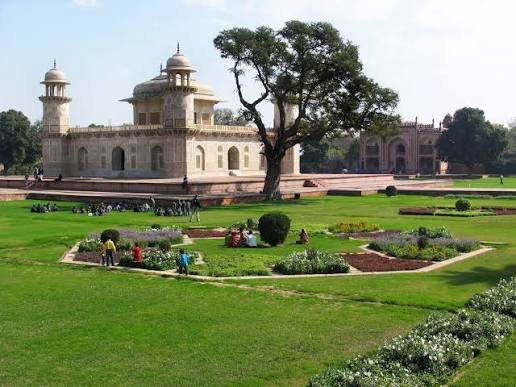
Charbagh Garden
Walk through the symmetrical Mughal garden surrounding the tomb. Its geometric layout, pathways, and greenery create a peaceful setting around the marble structure.
Architecture of Itmad-ud-Daulah Tomb
Itmad-ud-Daulah Tomb is celebrated for its refined Mughal architecture, delicate marble work, and intricate decorative details. Built primarily with white marble, it represents a shift from the red sandstone commonly used in earlier Mughal monuments. Its elegant design, stone inlay, carved marble screens, and symmetrical garden setting make it one of Agra’s finest architectural treasures.
White Marble Construction
The tomb is among the early major Mughal monuments to make extensive use of white marble. Marble from Rajasthan forms the main material of the structure and gives the monument its distinctive appearance.
Pietra Dura Inlay Work
One of the most striking features is the colourful stone inlay, known as pietra dura. Semi-precious stones such as cornelian, jasper, lapis lazuli, onyx, and topaz create floral and decorative patterns across the marble surfaces.
Marble Jali Screens
Delicately carved marble jali screens allow light to enter the interiors while adding an intricate decorative element. Their fine craftsmanship is one of the highlights of the monument.
Charbagh Garden
The tomb is surrounded by a traditional Charbagh-style garden, arranged with geometric symmetry around the central mausoleum. The garden adds balance and enhances the monument’s elegant appearance.
Decorative Motifs
The walls feature detailed designs inspired by flowers, cypress trees, vases, fruit, and other decorative forms. These motifs showcase the artistic skill of Mughal craftsmen.
History of Itmad-ud-Daulah Tomb
Itmad-ud-Daulah Tomb was built between 1622 and 1628 by Empress Nur Jahan in memory of her father, Mirza Ghiyas Beg, who served as a high-ranking official under Emperor Jahangir. The monument represents an important stage in the evolution of Mughal architecture and is often regarded as a precursor to the Taj Mahal.
A Memorial by Nur Jahan
Nur Jahan commissioned the tomb as a memorial for her father. Her close connection with the Mughal court allowed the monument to receive exceptional craftsmanship and elaborate decoration.
Mirza Ghiyas Beg
Mirza Ghiyas Beg, also known as Itmad-ud-Daulah, rose to prominence in the Mughal administration and eventually received the title Itmad-ud-Daulah, meaning “Pillar of the State.” He was the father of Nur Jahan and grandfather of Mumtaz Mahal.
Transition in Mughal Architecture
The tomb is particularly significant because it represents the growing preference for white marble and intricate decorative work during the Mughal period. These design developments later became more prominent in monuments such as the Taj Mahal.
Inspiration for the Taj Mahal
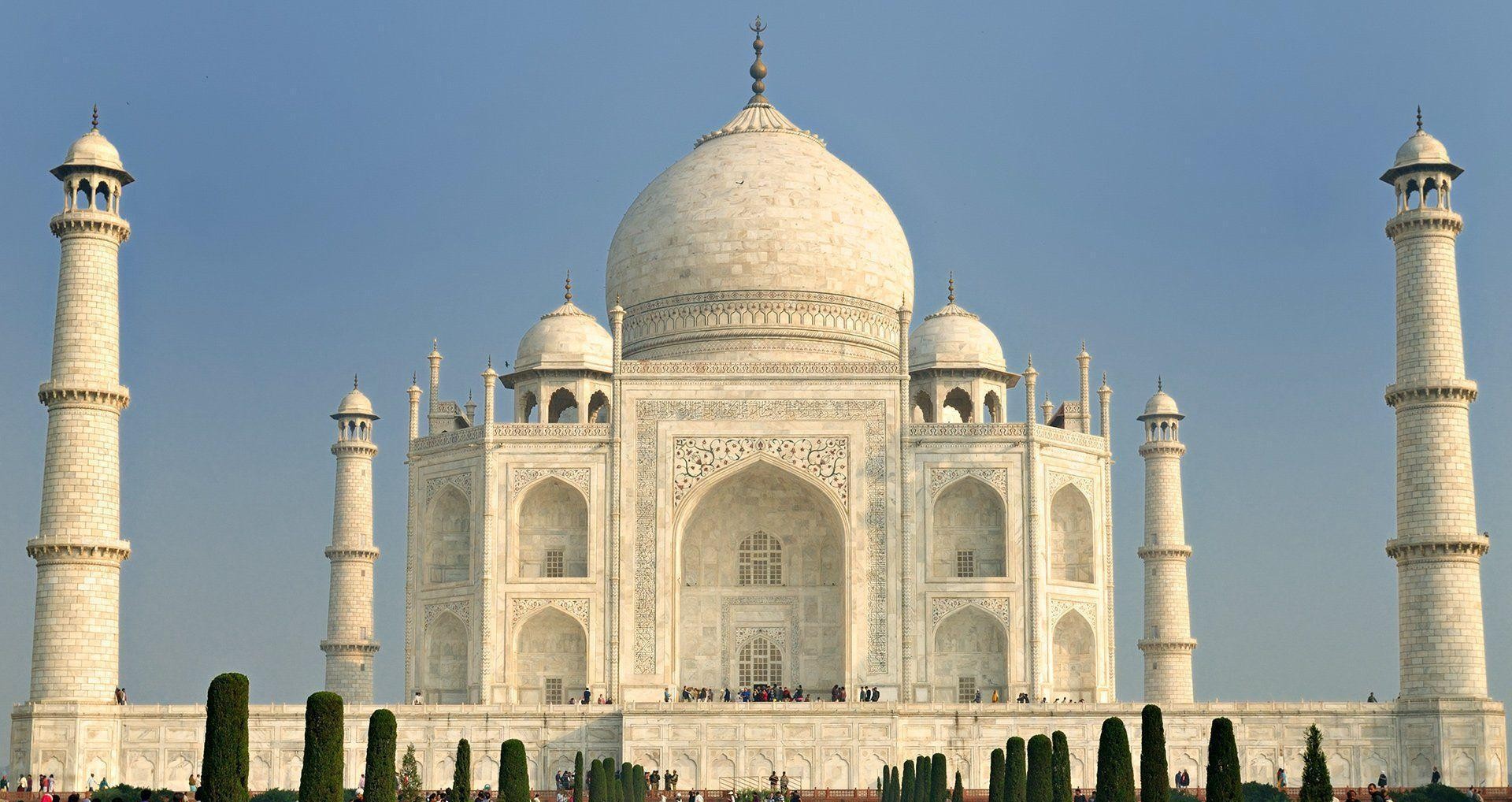
Itmad-ud-Daulah Tomb is widely regarded as an architectural precursor to the Taj Mahal. Its marble construction, delicate jali screens, stone inlay, and refined ornamentation are among the features that connect the two monuments
Interesting Facts About Itmad-ud-Daulah Tomb
Itmad-ud-Daulah Tomb is filled with architectural and historical details that make it one of Agra’s most fascinating Mughal monuments. Its innovative use of marble and pietra dura helped establish design elements that later became prominent in the Taj Mahal.
- Main Material: White marble
- Architectural Style: Mughal with strong Persian influences
- Known For: Pietra dura, marble jali work, and Charbagh garden
- Mughal Connection: Built during the reign of Emperor Jahangir.
- Architectural Importance: Considered an important precursor to the Taj Mahal.
- Location: Situated along the Yamuna River in Agra
Nearby Attractions
Itmad-ud-Daulah Tomb is located along the Yamuna and can be combined with several historic Mughal monuments and gardens in Agra. The nearby attractions offer a mix of royal history, architecture, gardens, and riverside heritage.

Agra Fort
Taj Mahal

Akbar’s Tomb, Sikandra

Ram Bagh
Conclusion
Itmad-ud-Daulah Tomb is one of Agra’s finest examples of early Mughal marble architecture. Built by Empress Nur Jahan for her father, Mirza Ghiyas Beg, the monument is admired for its delicate jali screens, intricate pietra dura work, carved details, and elegant garden setting. Often called the “Baby Taj,” it is especially significant because several of its architectural and decorative features later became prominent in the Taj Mahal. Its peaceful riverside location also makes it a pleasant alternative to Agra’s busier landmarks. For travellers interested in Mughal history, architecture, and craftsmanship, Itmad-ud-Daulah Tomb offers a beautiful and rewarding heritage experience.
Explore Uttar Pradesh

Varanasi Blogs
- Uttar Pradesh Cultural guide
- Places to visit in Varanasi
- Places to visit nearby Varanasi
- India’s most popular destination
- India’s archaeological marvels
Recommended articles
- Uttar Pradesh Cultural guide
- Places to visit in Varanasi
- Places to visit nearby Varanasi
- India’s most popular destination