
¤ 7 minutes Read
Ram Bagh Agra – History, Mughal Garden Design & Things to See
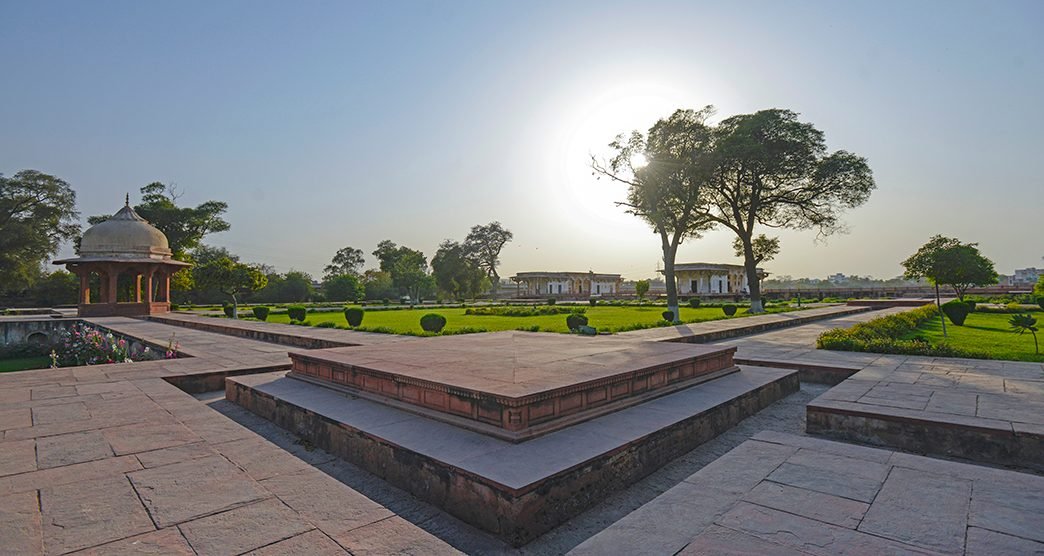
Ram Bagh is among the surviving Mughal gardens in Agra. Set beside the Yamuna Ram Bagh is associated with Emperor Babur, who is said to have laid Ram Bagh around 1528. Ram Bagh was originally known as Aram Bagh meaning the “Garden of Rest “. Is also referred to in historical sources, as Bagh-i-Gul Afshan.
The Garden Layout
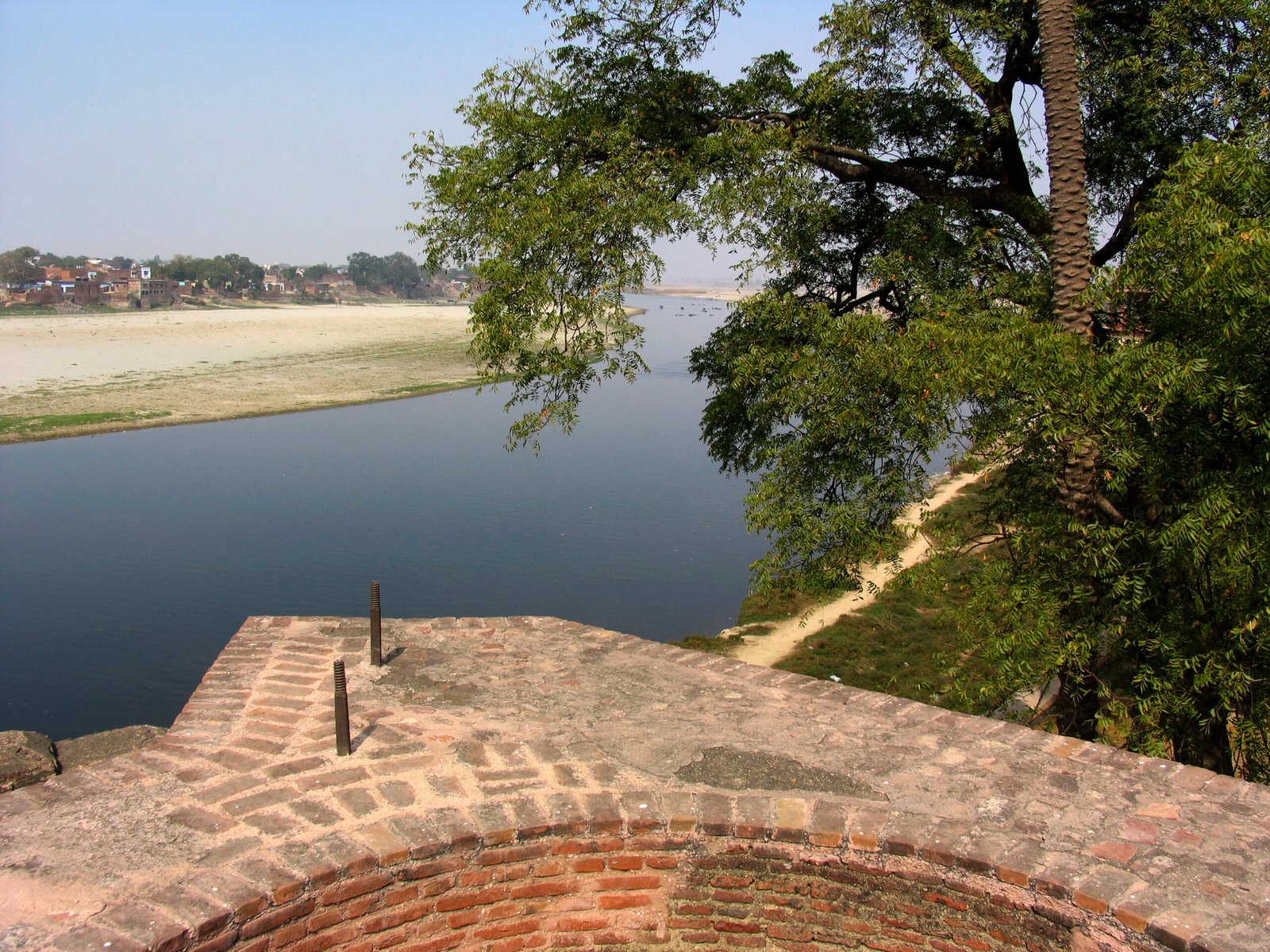
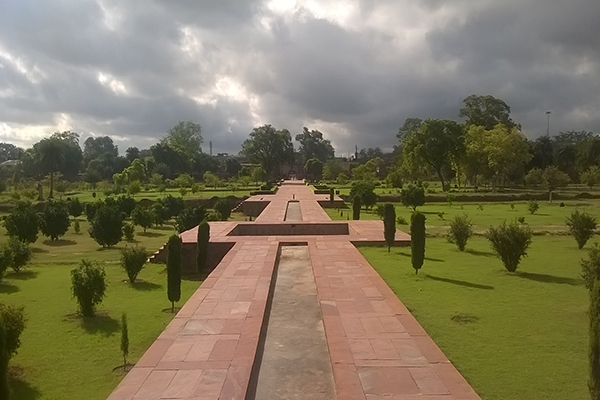
Ram Bagh garden is best understood as a garden than a monument. Ram Bagh garden layout follows the Mughal preference for dividing a garden into carefully organised sections with water playing an important role, in the design.
The garden was planned on levels forming a series of terraces that linked by channels and pathways. Water flowed through the garden to fill pools and channels and pavilions offered shaded spots inside the garden. I could see how the garden was built in layers. The Yamuna became the border of the garden adding another layer to the garden’s original setting.
Unlike Mughal gardens that often follow a more clearly defined four-part charbagh arrangement Ram Bagh has a somewhat different layout. Its terraces and water system were adapted to the riverside site giving the garden a character.
What to See at Ram Bagh
The main interest at Ram Bagh is, about how the garden areas, the water parts and the tiny buildingsre connected. Of trying to find one big building it is good to spend time and see how all these things fit together.
Riverside Setting
The Yamuna river is an important part of the original setting of Ram Bagh. I think that the position of the Yamuna, beside the river decided how the garden was laid out and decided how the open spaces were arranged.
Water Channels & Pools
Water flowed through channels into parts of the garden. These channels not helped cool the air around them but also created the unique look of Mughal garden design. The flowing water was a feature, in shaping the style and feel of the garden.
Historic Pavilions
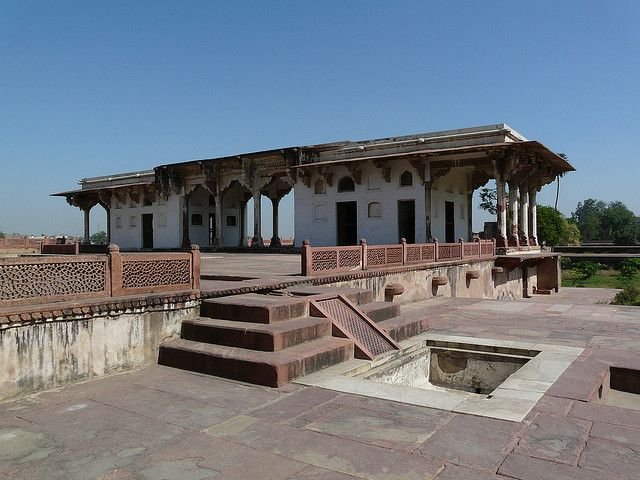
Small pavilions are scattered throughout the garden of being grouped into one big building. This arrangement helps link the man-made structures to the green spaces, around them. Each pavilion sits in its spot making the whole area feel more open and connected to nature.
Terraced Garden
The change, in levels is one of Ram Bagh’s striking features that catches the eye. Terraces helped organise the garden and also moved water across the grounds.
History of Ram Bagh
Ram Bagh traces its origins to the Mughal period. Babur, the founder of the Mughal Empire established Ram Bagh in Agra around 1528 making Ram Bagh one of the Mughal gardens in India. Historical accounts associate Ram Bagh with Babur’s preference, for planned gardens inspired by the landscapes of Central Asia.
The garden was originally named Aram Bagh meaning the “Garden of Rest.” The garden’s location beside the Yamuna mattered a lot. It gave the garden a calm riverside feel. Let water play a key role, in the garden’s design.
After Babur died the garden stayed linked to the Mughal court. Tradition also says that Humayun spent time in this garden when politics were hard. Over years the garden changed, but its early Mughal style can still be seen in its planned terraces, water features and pavilions.
Also known as
Aram Bagh
The name traditionally associated with the garden means “Garden of Rest.”
Bagh-i-Gul Afshan
Historical sources also refer to the site by this Persian name.
Babur’s Garden
Its foundation is associated with Babur, who established it in Agra in the early Mughal period.
Why Ram Bagh Matters?
Ram Bagh is an example of the garden tradition that later became an important part of Mughal architecture. Ram Bagh shows Babur’s Asian influences but also the garden was adapted to its setting, beside the Yamuna.
The importance of this lies in the mix of landscape planning, water management and architecture. Years before Agra became famous for the Taj Mahal and other big buildings gardens, like Ram Bagh were already creating the Mughal look of the city.
From Babur to the Later Mughals
1528 – Babur’s Garden
Babur is traditionally credited with establishing Ram Bagh in Agra. The garden became one of Baburs retreats, in the city.
After Babur – Mughal Court
The site stayed connected to the Mughal court even after Babur passed away. Historical records link it closely with Humayun during the difficult time when he was trying to regain his power.
Later Mughal Period – Continued Use
Ram Bagh stayed as part of Agras Mughal area as the imperial city grew around the Yamuna.
Today – Protected Heritage Site
The surviving structures and garden are still, under protection. This helps keep alive a chapter of Agras Mughal history.
Nearby Places to Visit from Ram Bagh
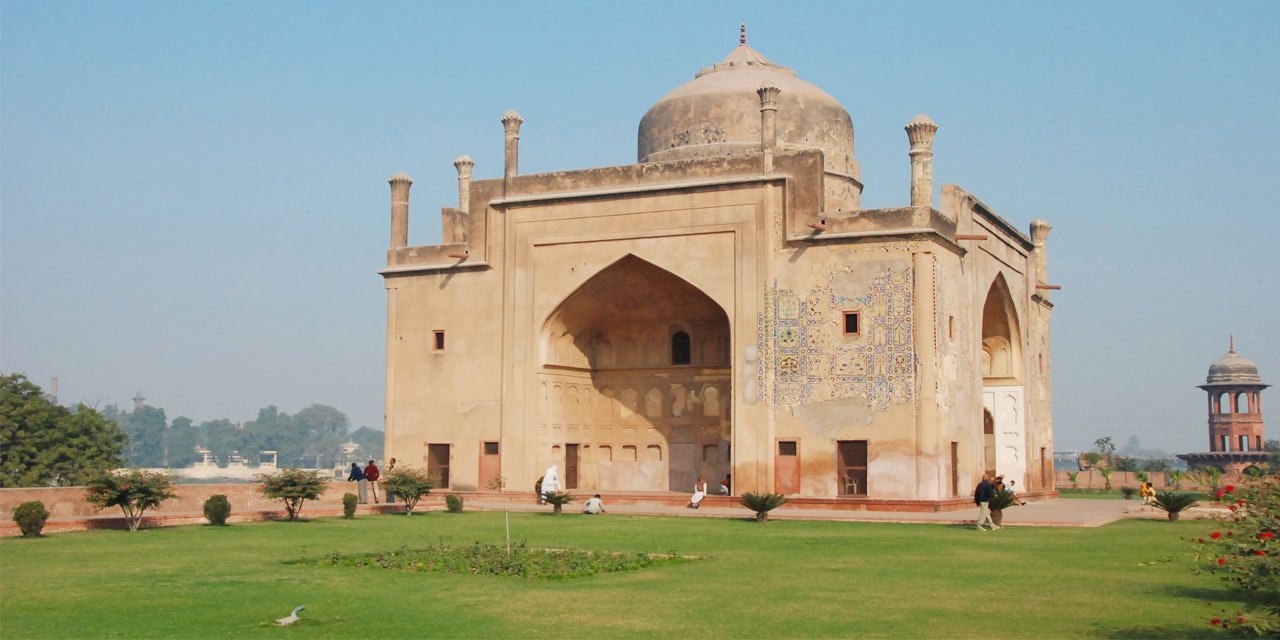
Chini Ka Rauza
A riverside tomb is famous, for its turquoise glazed‑tile decoration. The riverside tomb is one of the places to visit together with Ram Bagh.

Tomb of Itimad-ud-Daulah
The ‘Baby Taj’ is often called the ‘Baby Taj.’ This white marble tomb is known for its jali work and, for its extensive pietra dura inlay.

Agra Fort
The big red sandstone fort was the home where many Mughal emperors lived. It has palaces, places where people gathered to hear the emperor speak.

Mehtab Bagh
Another historic Mughal garden, best known today for its views towards the Taj Mahal. Its riverside setting makes it a natural addition to a Yamuna-focused sightseeing route.
Conclusion
Ram Bagh adds an early chapter to Agra’s Mughal story. Its connection to Babur, the surviving structures and its proximity to the Yamuna River set it apart from the city’s famous imperial monuments. The site is best experienced at a pace especially if you want to understand how Agra’s Mughal landscape began to take shape before the Taj Mahal and Agra Fort were built. For visitors looking to explore Agra beyond the highlights Ram Bagh offers a peaceful and meaningful stop. It holds its unique place, in Agra’s history, quiet but significant.
Explore Uttar Pradesh

Varanasi Blogs
- Uttar Pradesh Cultural guide
- Places to visit in Varanasi
- Places to visit nearby Varanasi
- India’s most popular destination
- India’s archaeological marvels
Recommended articles
- Uttar Pradesh Cultural guide
- Places to visit in Varanasi
- Places to visit nearby Varanasi
- India’s most popular destination