
¤ 6 minutes Read
Shahi Jama Masjid Agra - History, Architecture & Mughal Heritage
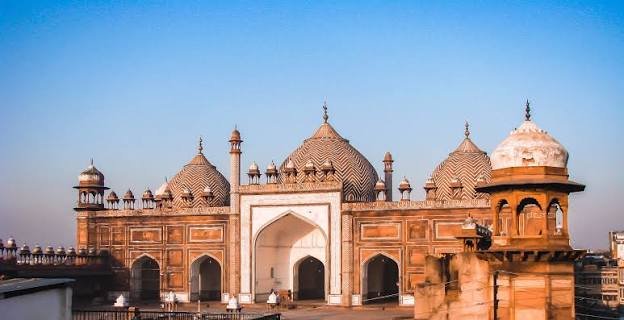
Shahi Jama Masjid Agra is one of the important Mughal‑era mosques, in the heart of Agra. Shahi Jama Masjid Agra is a reminder of Mughal glory. Shahi Jama Masjid Agra was built during the reign of Emperor Shah Jahan and Shahi Jama Masjid Agra is closely associated with Emperor Shah Jahan’s daughter Jahanara Begum who commissioned Shahi Jama Masjid Agra in the century. Shahi Jama Masjid Agra’s construction reflects the period when Agra was still a centre of Mughal power, architecture and religious life.
The mosque is most famous for its courtyard red sandstone walls, dome-shaped prayer area and fancy decorations. Unlike the tombs in Agra, the way this place was built focuses on group prayers making it feel different. Tiny building parts, like the detailed stone carvings and the patterns in the jali give interest to a design that is mostly simple. The Archaeological Survey of India has also done repair work, on some parts of the mosque like the prayer hall and the small chhatari.
History of Shahi Jama Masjid Agra
The story of Shahi Jama Masjid starts in the century when Shah Jahan was in power. The building was finished in 1648. The mosque was created by his oldest daughter, Jahanara Begum who was a strong person, in the Mughal court.
At that time Agra continued to be an imperial city. The mosque was constructed near Agra Fort meeting the needs of the local people as well, as those who worked in the royal and administrative areas nearby.
Jahanara Begum was known for supporting works in Agra. Her involvement, in the mosque is one reason the building occupies a place in the citys Mughal history. It was constructed during the broad period that produced several of Agras best-known architectural landmarks.
For years the mosque stayed as part of the old citys historic background. Because the mosque is close, to the railway station and Agra Fort the mosque still sits inside one of the citys historic zones.
1648 – Construction
Jahanara Begum – The Patron
Later Years – Conservation
Architecture and Garden Design
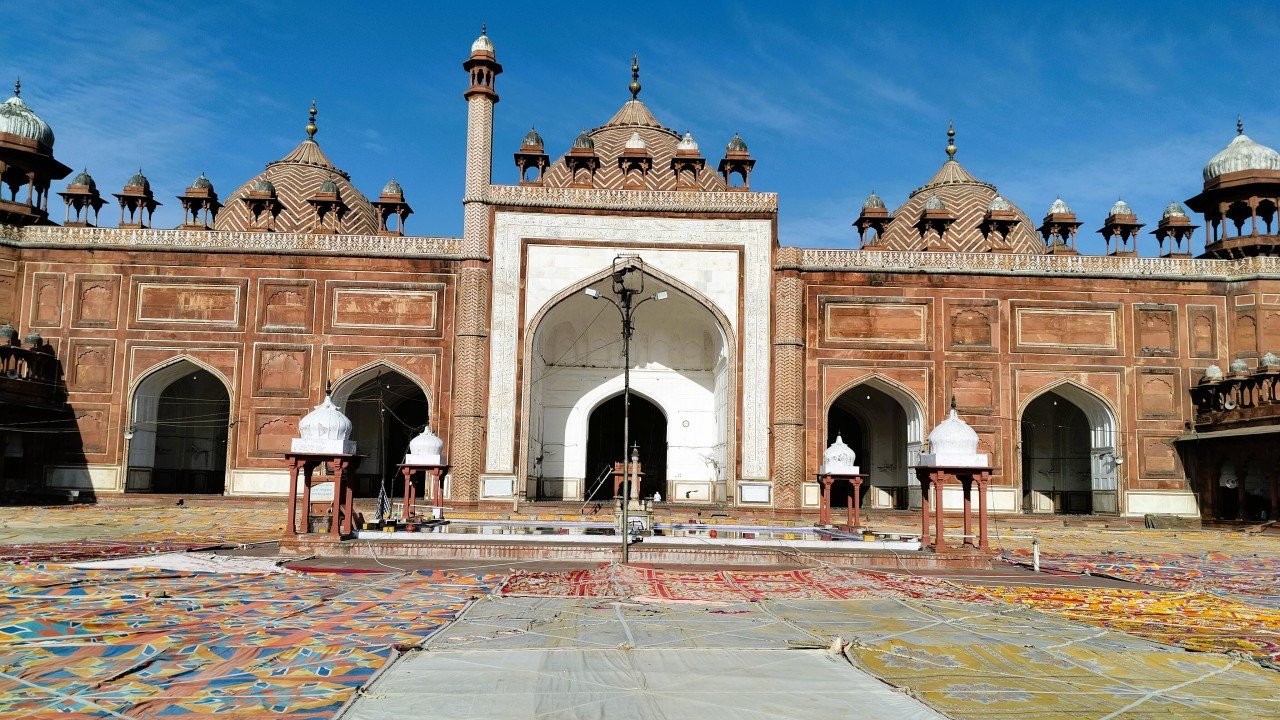
Large Courtyard
The open courtyard is the space of the mosque. The open courtyard acts as a bridge, between the entrance and the prayer hall. The open courtyard welcomes families for worship.
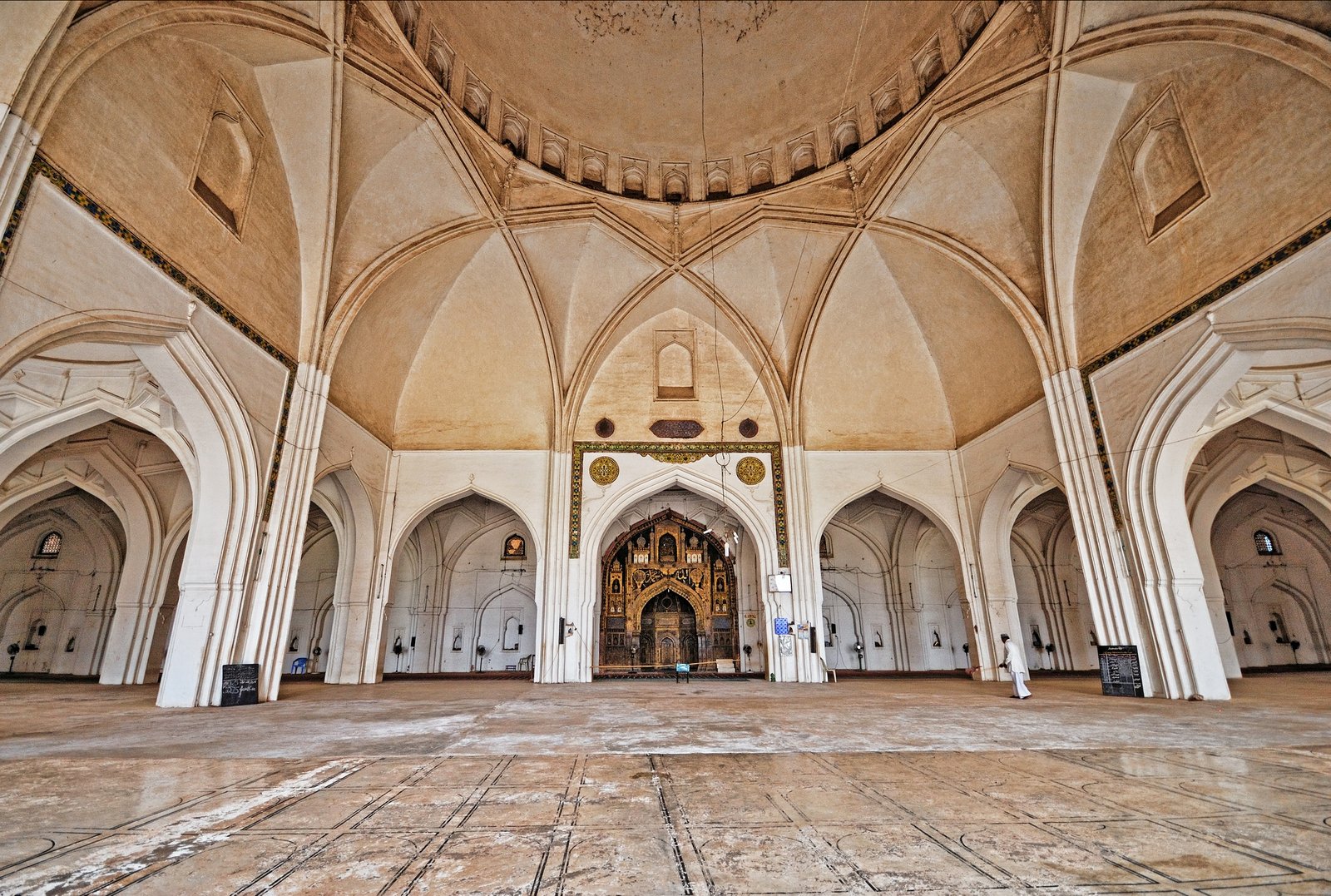
Prayer Hall and Domes
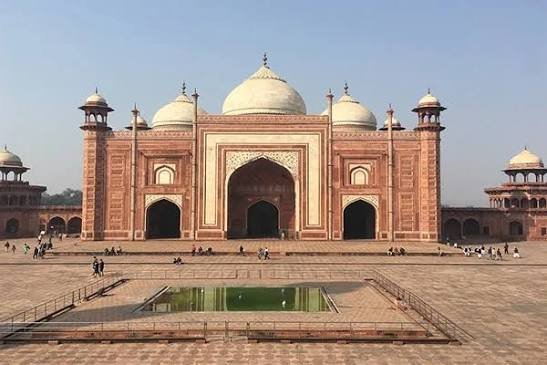
The western prayer hall has a set of arches and dome areas. The middle part gets attention visually and the same arches make a pattern along the front.
Red Sandstone Details
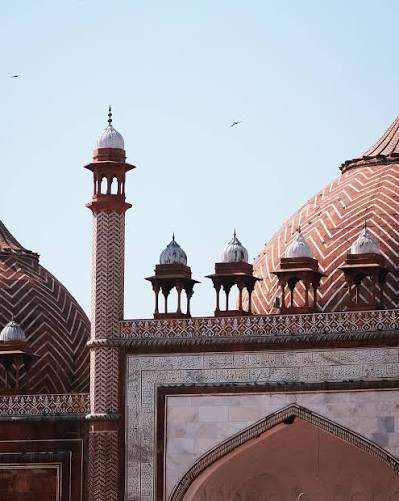
Carved stonework brings decoration without hiding all the surfaces. Geometric patterns, decorative panels and different marble details show up in parts of the building.
Three-Domed Roofline
The prayer area has three domes, on top which makes the mosque stand out in the sky. The way they are placed also helps to divide the flat shape of the building.
Minarets and Chhatris
Small decorative structures and slender elements, around the parts give the building a vertical feel. These details pair with the domes to make the roof line look balanced.
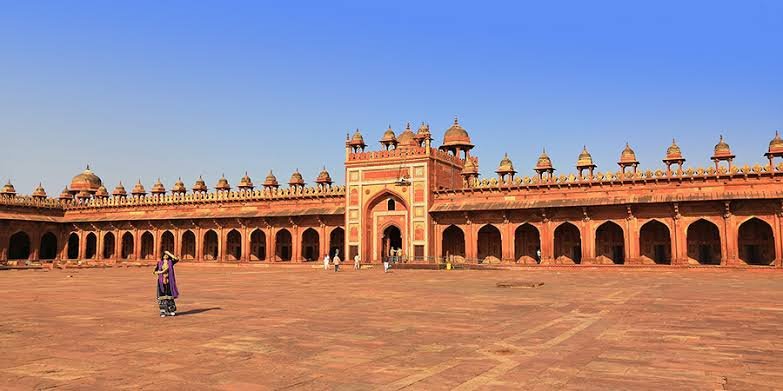
The Courtyard and Prayer Space
The open courtyard of Shahi Jama Masjid Agra stands out as one of the striking features. It creates a open centre that pulls the eye forward toward the covered prayer hall. This layout shows how the mosque serves the needs of a congregational mosque, where many worshippers come together to pray.
The prayer hall sits on the side of the courtyard. The front of the prayer hall shows a repeated line of arches and the domes above give a vertical emphasis. The wide open space, with the closed prayer areas makes the layout simple to see, even when you come from the entrance.
Another point worth noticing is the contrast, between sandstone and white marble. Of covering the whole building with intricate designs the designers chose to use lighter stone in certain areas. This helped draw attention to parts of the structure. The choice made the building stand out more giving it a look. It was not overdone. Still had impact.
Inside the Mosque
Courtyard
Prayer Hall
Domes & Stone Details
Arched Façade
Nearby Attractions
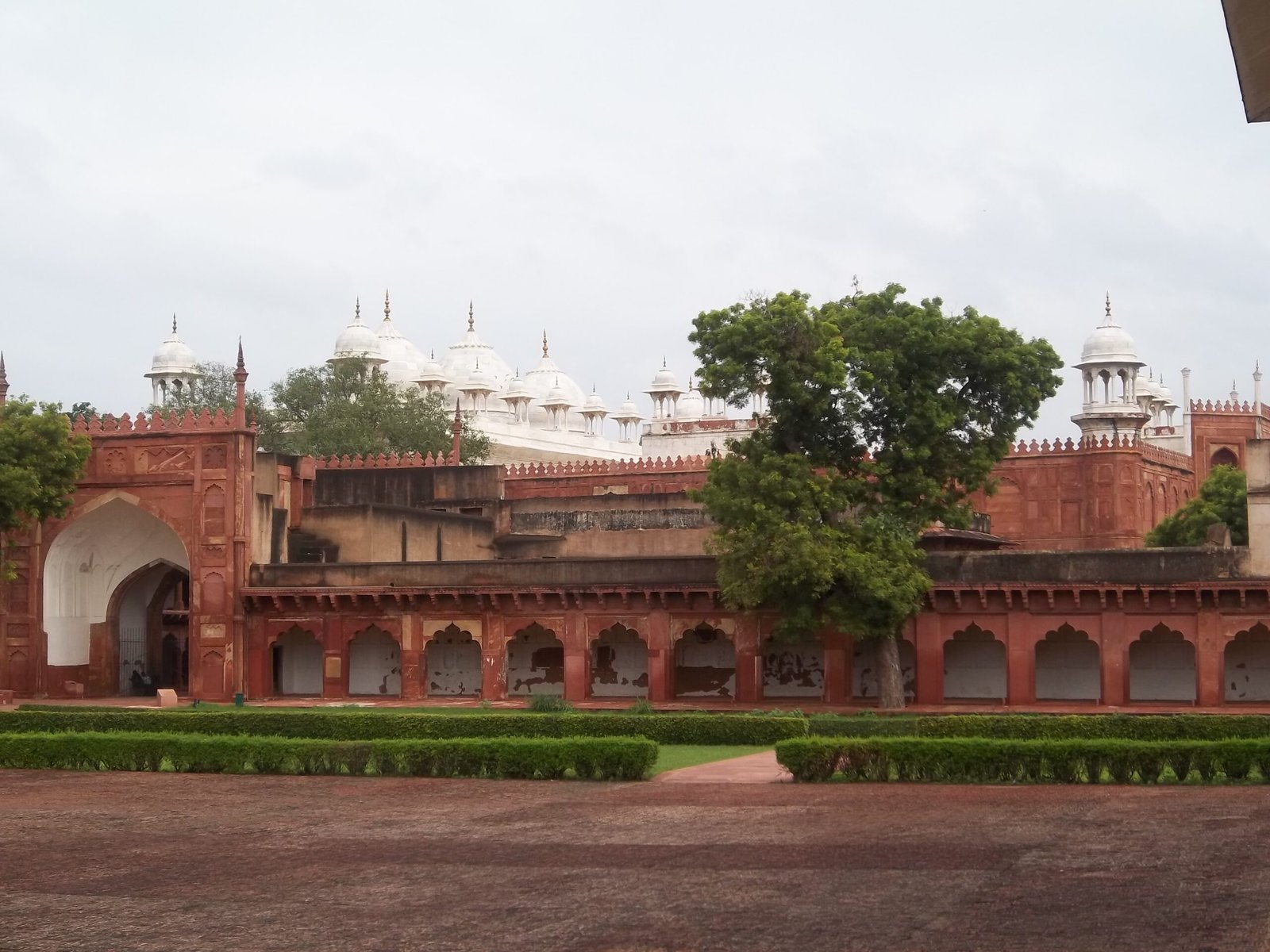
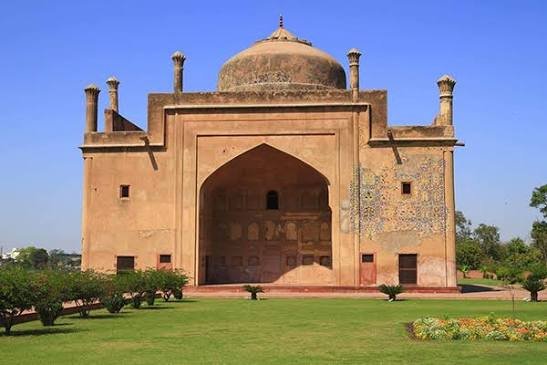
Shahi Jama Masjid sits in the heart of Agra and from this spot you can see many major landmarks in a single outing. The nearby places also show how Shahi Jama Masjid fits into the Mughal scenery of the city.

Agra Fort
Itmad-ud-Daulah’s Tomb
Moti Masjid
Chini Ka Rauza
Conclusion
Shahi Jama Masjid Agra is best seen as part of the Mughal city rather than only as another structure from Shah Jahan’s reign. Shahi Jama Masjid Agra’s link with Jahanara Begum, the courtyard and the simple red sandstone look give Shahi Jama Masjid Agra a unique spot among Agra’s historic buildings. Shahi Jama Masjid Agra’s location, near Agra Fort and the old markets also makes Shahi Jama Masjid Agra easy to link with parts of the city’s Mughal landscape. For people who visit Agra beyond its famous sights, Shahi Jama Masjid Agra gives a useful view of the religious and city life of the old capital.
Explore Uttar Pradesh

Varanasi Blogs
- Uttar Pradesh Cultural guide
- Places to visit in Varanasi
- Places to visit nearby Varanasi
- India’s most popular destination
- India’s archaeological marvels
Recommended articles
- Uttar Pradesh Cultural guide
- Places to visit in Varanasi
- Places to visit nearby Varanasi
- India’s most popular destination