
¤ 12 minutes Read
Golden Triangle India - Delhi, Agra & Jaipur Travel Route
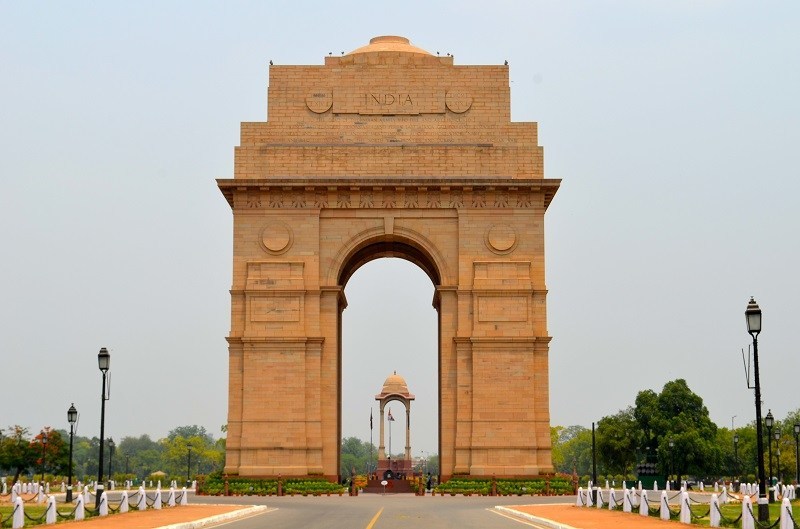


The Golden Triangle connects Delhi, Agra and Jaipur forming a triangular route across northern India. Delhi is a place that brings together centuries of cultural history. Agra is a place that is closely associated with the Mughal era and the Taj Mahal. Jaipur is a place that introduces the forts, palaces and colourful traditions of Rajasthan. All three cities are also destinations, in their own right. The route works well because of the contrast between the places. I think you can start in Delhi walking through neighbourhoods and grand avenues then see the Taj Mahal in Agra and after that head west to Jaipur, where royal architecture and planned streets await. Than staying in a single region this trip offers travellers a quick look, at many different parts of North India.
The Golden Triangle Route at a Glance
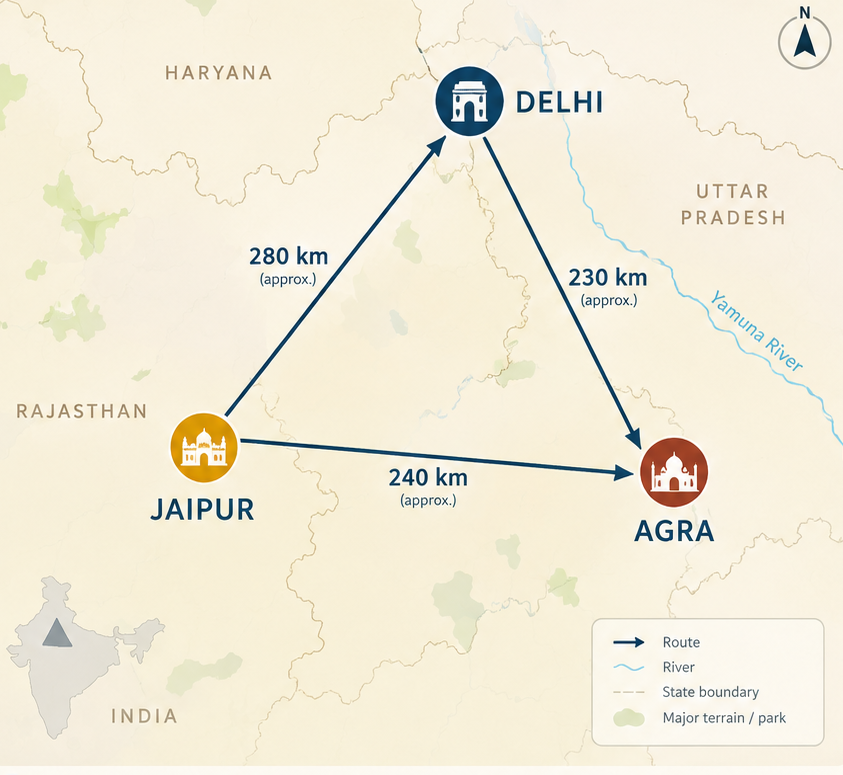
The three cities are close enough to combine in one trip. The cities each offer a very different experience. For travellers the route works best as a road journey although trains are also a practical choice, for some legs.
Route
Approx. Distance
Typical Road Time
Delhi → Agra
220–245 km
About 4–5 hours
Agra → Jaipur
Around 235–250 km
About 5–6 hours
Jaipur → Delhi
Around 280 km
About 5–6 hours
Total circuit: roughly 740–775 km, depending on the roads and stops included. Travel time may change because of traffic, road conditions, departure time and sightseeing stops.
Why the Route Works?
The distances are easy to handle. The experiences happen fast. Delhi shows you the capital Agra takes you into the Mughal world and Jaipur moves the trip, toward Rajasthans history. That contrast is the power of the Golden Triangle. You are not merely visiting three spots-you are moving through three different cultural worlds on one trip.
Three Cities, Three Very Different Experiences
The Golden Triangle works because the three stops are not the same. The Golden Triangle makes each city show a part of North India on the journey.
Delhi
The historic capital
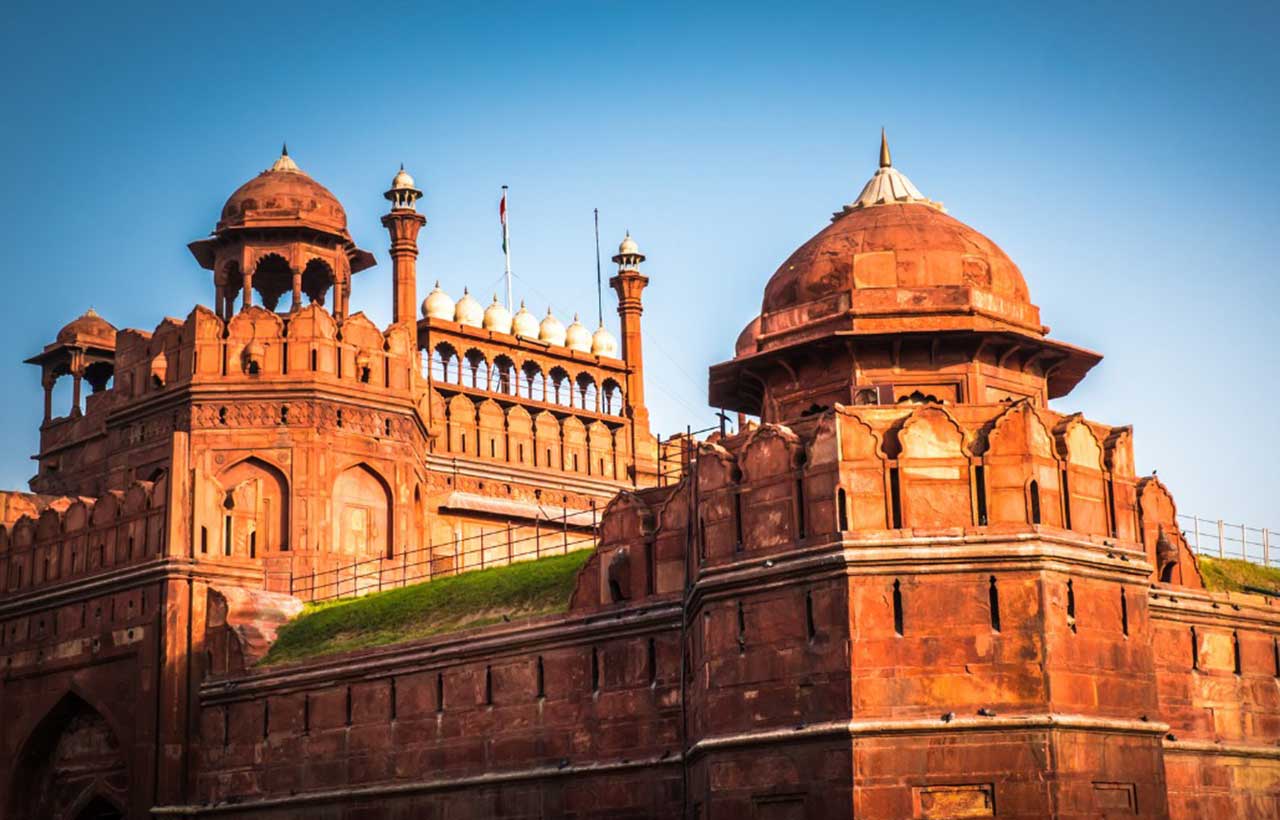
Delhi is the city and the busiest place on the route. The area has a view that changes from Mughal-era monuments and the busy streets of Old Delhi, to the roads and government structures of New Delhi.
Best for: history, architecture, food and city life
Don’t miss: Red Fort, Humayun’s Tomb, Qutub Minar, India Gate and Old Delhi
Suggested stay: 2 days
Explore our Delhi guide for a deeper look at the city’s history, attractions and neighbourhoods.

Agra
The Mughal heart of the route
Agra may be a stop for many travellers but it holds some of the most impressive landmarks, on the journey. The Taj Mahal stands out as the famous attraction. Agra Fort and other Mughal sites give insight into the city’s rich imperial history.
Best for: Mughal architecture, heritage monuments
Don’t miss: Taj Mahal, Agra Fort, Itmad-ud-Daulah and Mehtab Bagh
Suggested stay: 1–2 days
Explore our Agra guide for more places to see and things to do in the city.
Jaipur
The royal city
Jaipur change the mood of the journey. The planned streets of the Pink City the hilltop forts, the palaces and the colourful bazaars show the architecture and culture of Rajasthan. Jaipur was founded in 1727 by Sawai Jai Singh II.
Best for: forts, palaces, shopping and culture
Don’t miss: Amber Fort, City Palace, Hawa Mahal and Jantar Mantar
Suggested stay: 2 days
Explore our Jaipur guide for a detailed look at the Pink City’s attractions and heritage.

The Classic Golden Triangle Route
The easiest way to try the track is to go along the triangle in one direction of always adjusting your plans
Day 1-2: Delhi
Start with Delhi to get to know the country. Of rushing through every landmark split your time between Old Delhi and New Delhi. Old Delhi gives you the heart of history and culture-Red Fort, Jama Masjid and Chandni Chowk fit together. Then move to New Delhi for a feel-Humayun’s Tomb, India Gate and the central government district show you a more modern and structured side of the capital.
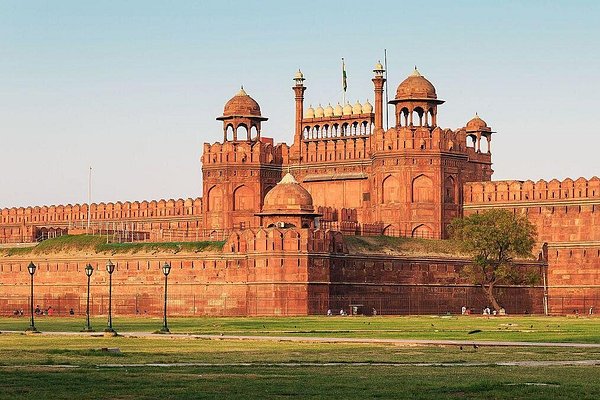
Red Fort
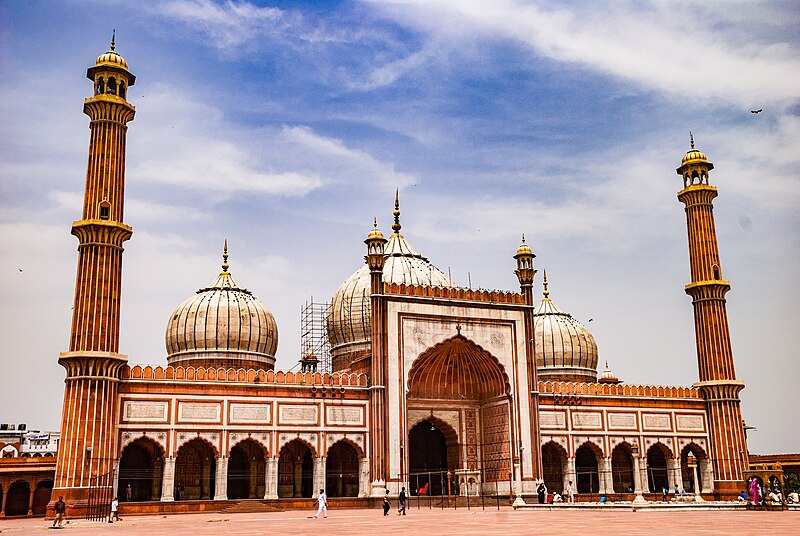
Jama Masjid

Chandni Chowk
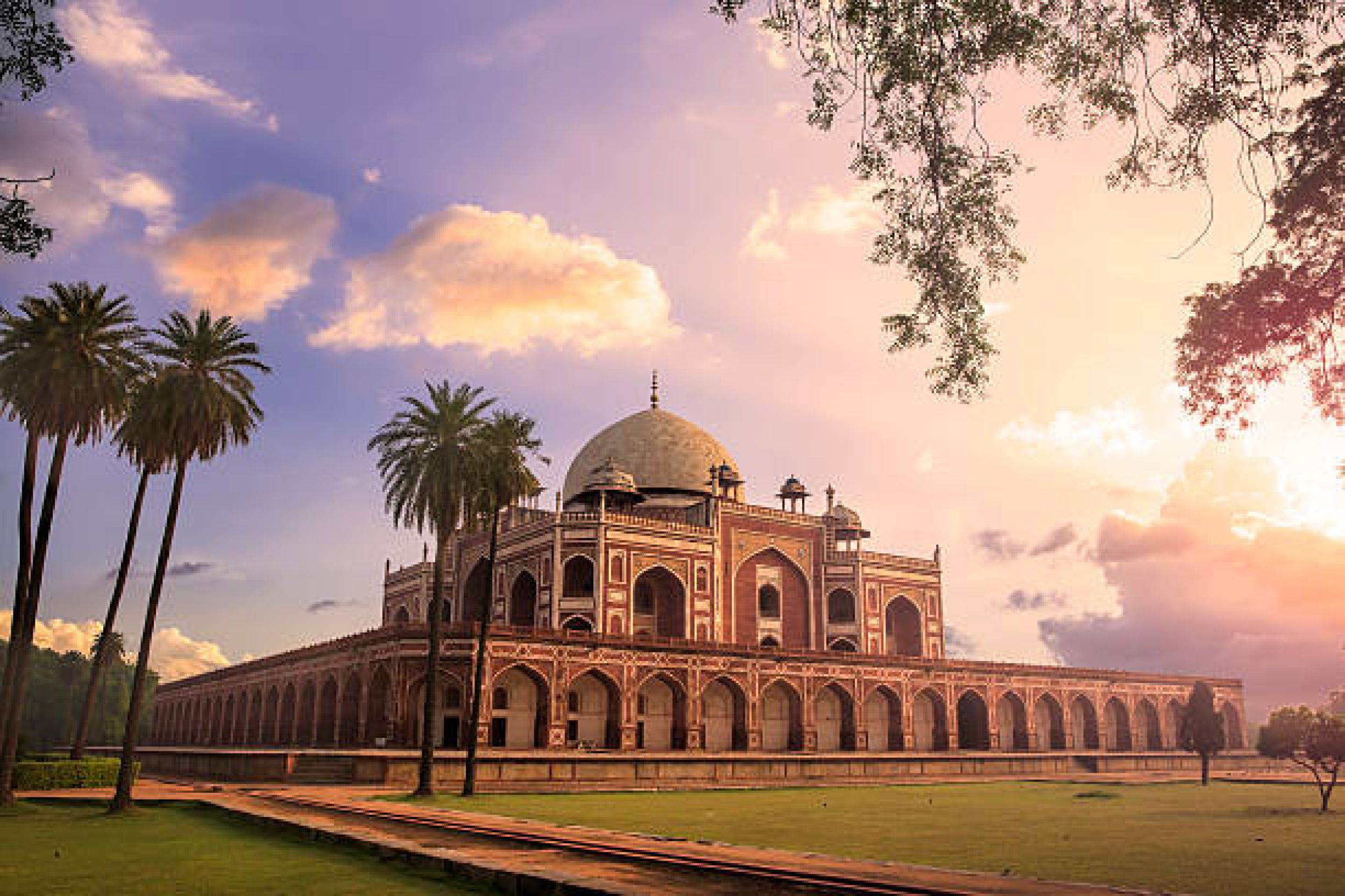
Humayun's Tomb
Day 3: Agra
Leave Delhi early. Head towards Agra. This gives you time to visit Agra Fort and explore Agra before ending the day around Taj Mahal. If Taj Mahal is your reason, for visiting Agra look at the day of your visit carefully: Taj Mahal is closed to tourists on Friday.
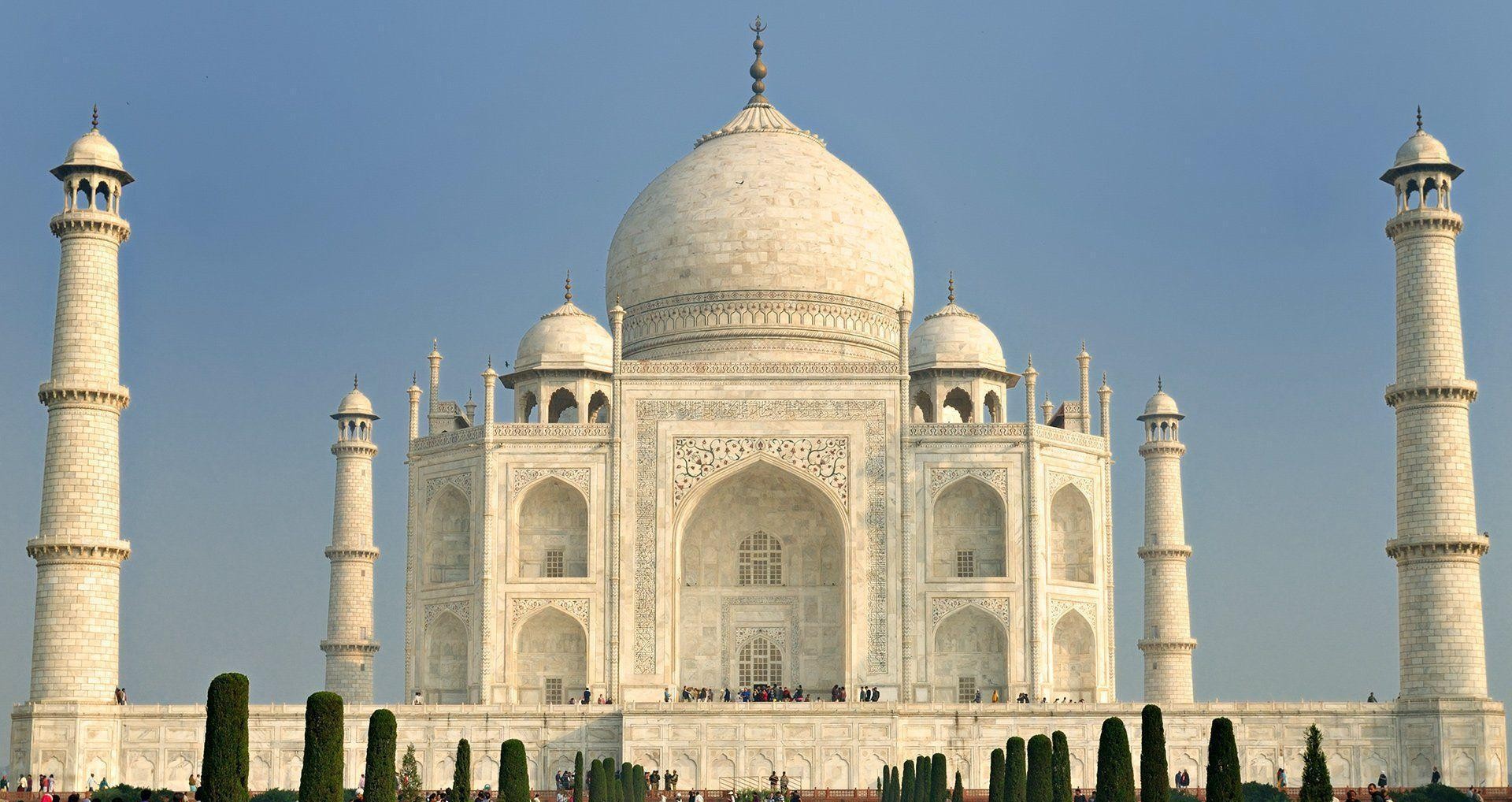
Taj Mahal

Agra Fort
Day 4: Agra → Jaipur
This route offers the useful sightseeing transfer. Of treating the route as a simple drive add Fatehpur Sikri to the route. The abandoned Mughal‑era city sits close, to the Agra–Jaipur route. Is regularly included in Golden Triangle itineraries. After the stop continue towards Jaipur. Spend the evening exploring Jaipurs markets or simply settle into your hotel.

Fatehpur Sikri

Jaipurs markets
Day 5–6: Jaipur
Give Jaipur enough time to feel different from the first two stops. One day can focus on Amber Fort, Jaigarh Fort and Nahargarh, while another can cover Hawa Mahal, City Palace, Jantar Mantar and the old markets.
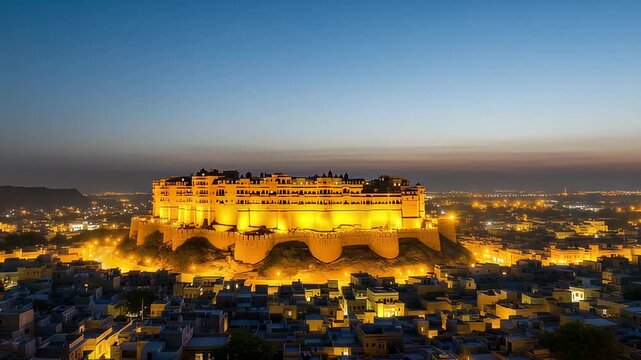
Amber Fort

Hawa Mahal

Jantar Mantar
When Should You Travel the Golden Triangle?
There is not a perfect month that works for everyone and no month is ideal for all travelers. The route shifts with the season and the season changes the path you will take. The decision should rely on how outdoor sightseeing you want to do and, on how comfortable you feel with heat or cooler mornings.
October – November | The Season Opens
The monsoon has finished. The temperatures are getting cooler. Outdoor sightseeing feels more comfortable. This is a time to explore forts, markets and historic neighbourhoods. Outdoor sightseeing can be enjoyed without the summer heat.
December – January | Winter Golden Triangle
Expect mornings and cool evenings. This is especially true in Delhi and in Agra. Sometimes fog can make it hard to see during mornings. This can affect road travel and train travel.
February – March | The Sweet Spot
Temperatures rise slowly. The harsh summer heat has not yet arrived. This makes February and early March especially comfortable, for seeing sights, walking, shopping and doing activities.
July – September | Monsoon
Rain gives the route a feel. Showers can stop plans yet Showers also make the scenery greener and bring fewer crowds during peak season. Humidity can still make sightseeing tiring so Humidity calls for a schedule.
Golden Triangle FAQs
A few practical questions keep popping up again when planning this route. The answers, to these questions are worth knowing before you book.
Is the Golden Triangle suitable for a first trip to India?
Yes. The route gives you a way to get to know three different cities. It does not require a trip, across the country. It also has places for tourists to stay and lots of ways to get around.
Can the Golden Triangle be done in 4 days?
Yes,. It will be quick. A 4-day plan works best when you look at the attractions and don’t add too many side trips. If you can choose 5 to 6 days will feel more relaxed.
Do I need a car for the entire route?
No. You can combine different modes of transport. A private car gives you the most flexibility, while trains can be useful for selected legs. Your choice can depend on budget, group size and whether you want to make sightseeing stops between cities.
Is the Golden Triangle only about monuments?
Not at all. The major monuments are what put the route, on the map. Food, bazaars, neighbourhoods, crafts and everyday city life are a big part of the experience. That is also why leaving some time in your itinerary is worthwhile.
Can I add other destinations to the route?
Sure. Fatehpur Sikri, Bharatpur and Chand Baori can all be considered depending on your days and the route you take. If you have a holiday you can also make the trip go beyond the classic triangle instead of trying to fit everything into the main plan.
Conclusion: One Route, Three Sides of India
The Golden Triangle is popular for a reason: Delhi, Agra and Jaipur give three very different experiences that fit into one easy travel route. The Golden Triangle offers Delhi with history and modern city life Agra with Mughal grandeur and Jaipur, with forts, palaces and traditions of Rajasthan. The route can be adjusted to fit kinds of travel plans.
Explore North India

Varanasi Blogs
- Uttar Pradesh Cultural guide
- Places to visit in Varanasi
- Places to visit nearby Varanasi
- India’s most popular destination
- India’s archaeological marvels
Recommended articles
- Uttar Pradesh Cultural guide
- Places to visit in Varanasi
- Places to visit nearby Varanasi
- India’s most popular destination