Sometimes, you don’t go to the mountains to “travel.”
You go because your mind has been tired for too long.
That’s exactly what Spiti was for me.
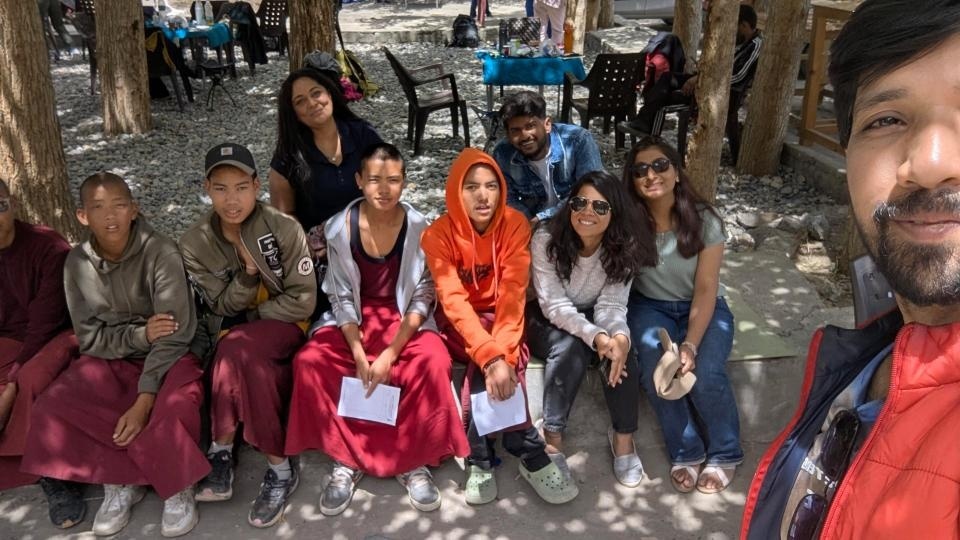
The journey started with long roads, sleepless bus rides, and strangers who slowly became friends. As we crossed places like Shimla and Kalpa, the city noise started fading away. Soon, there was no network, no rush — just mountains, rivers, and silence.
Spiti felt unreal.
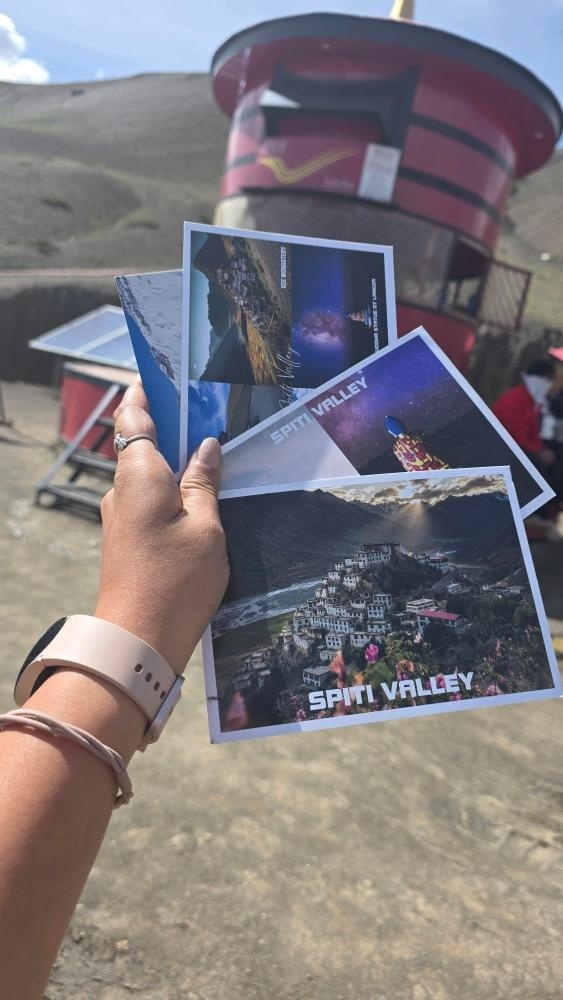
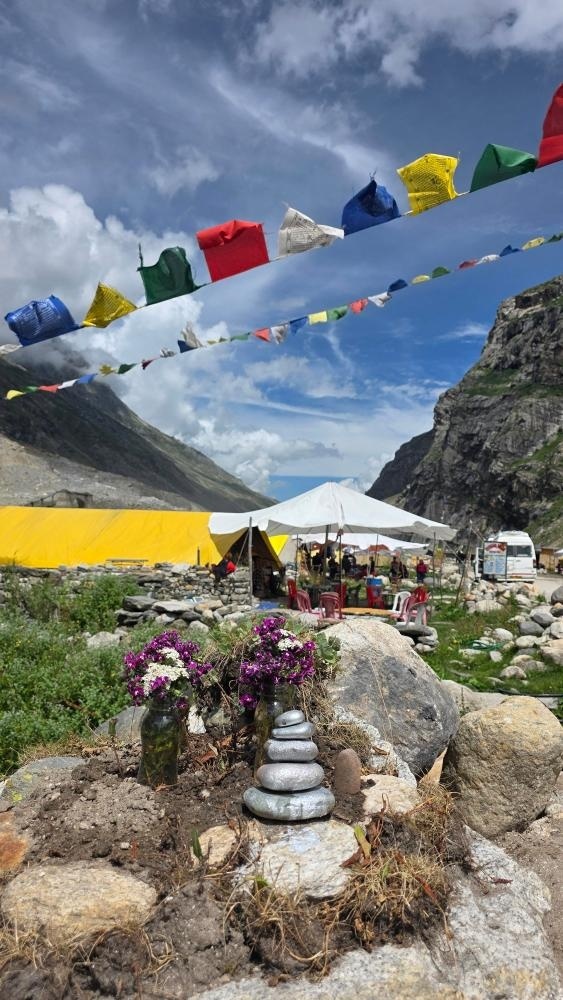
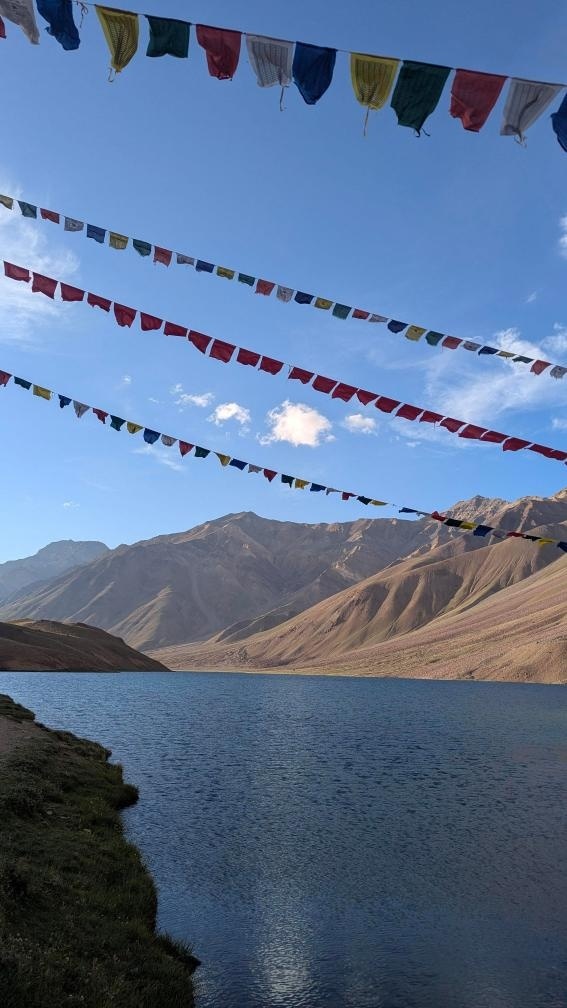
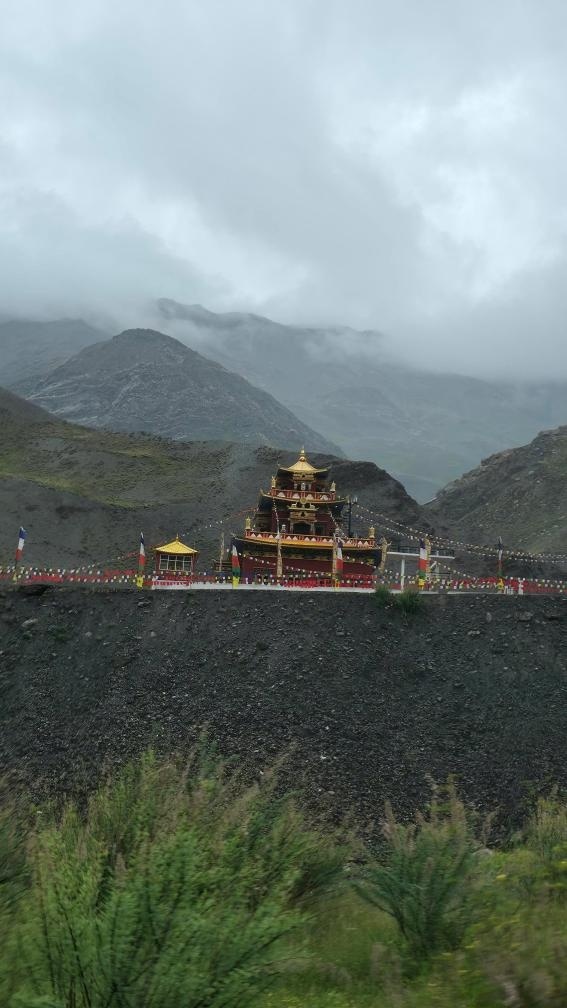
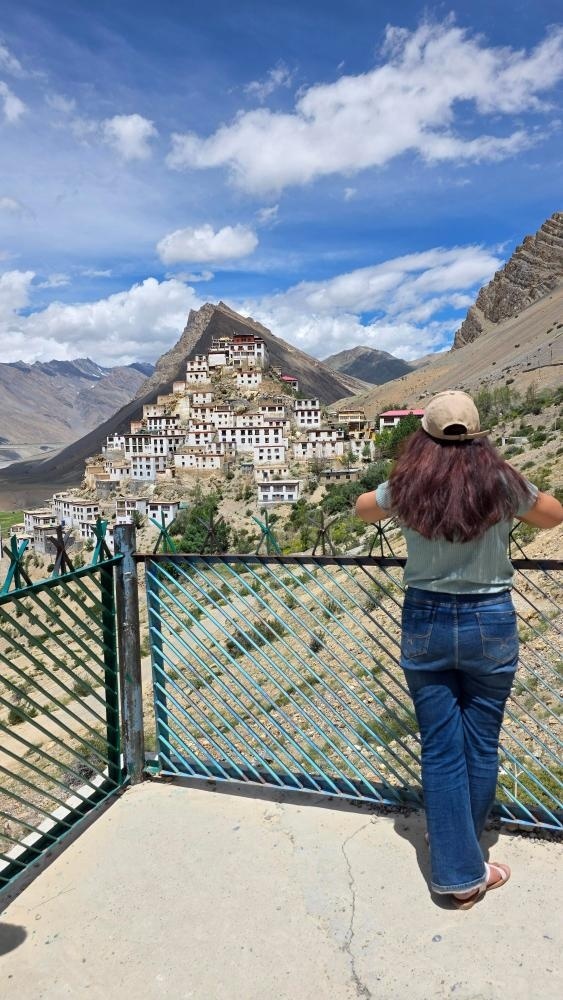
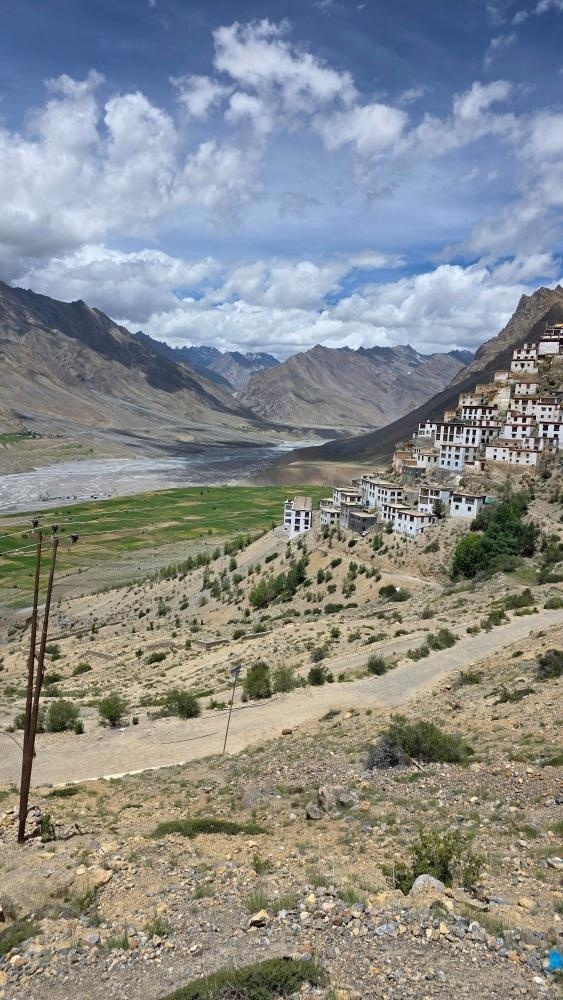
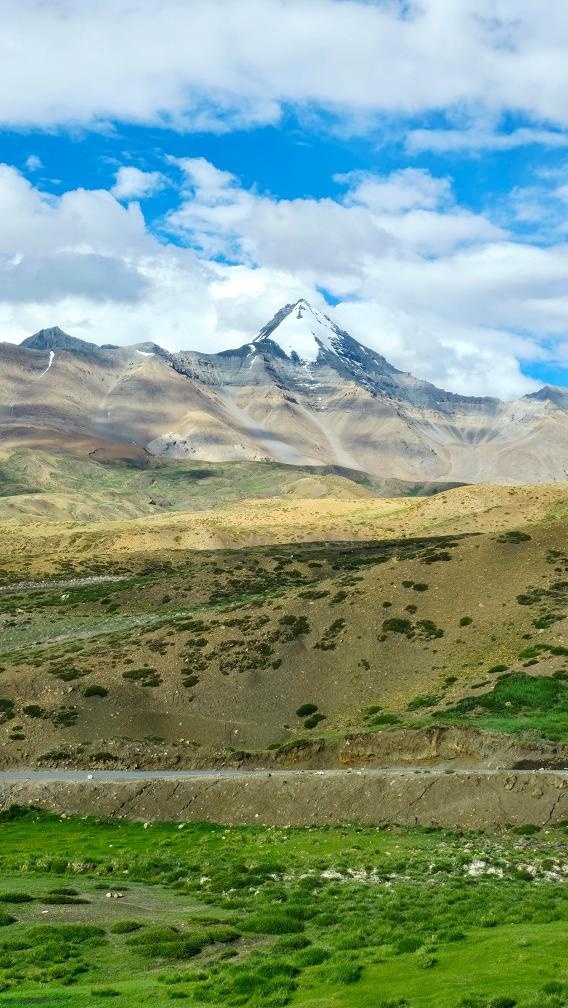
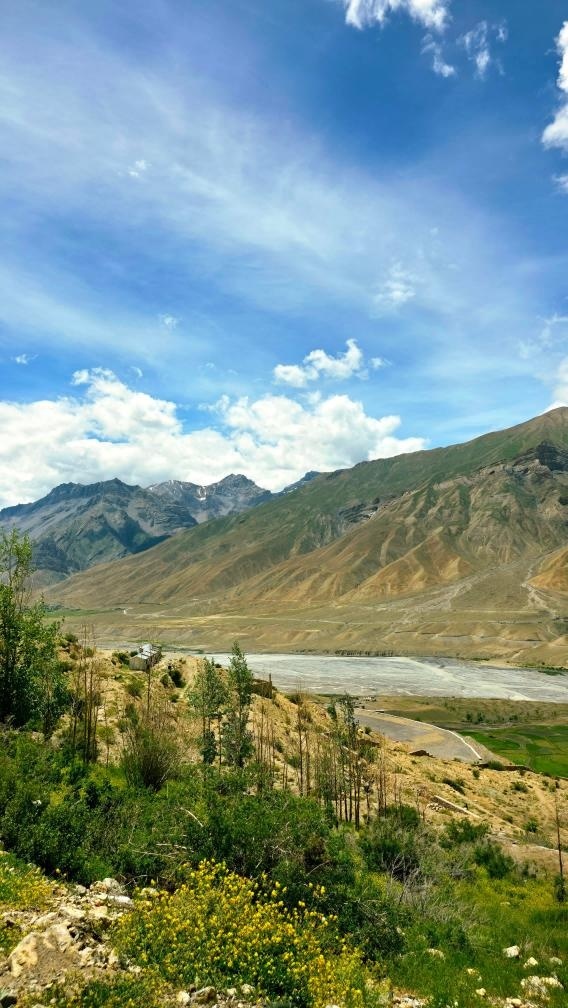
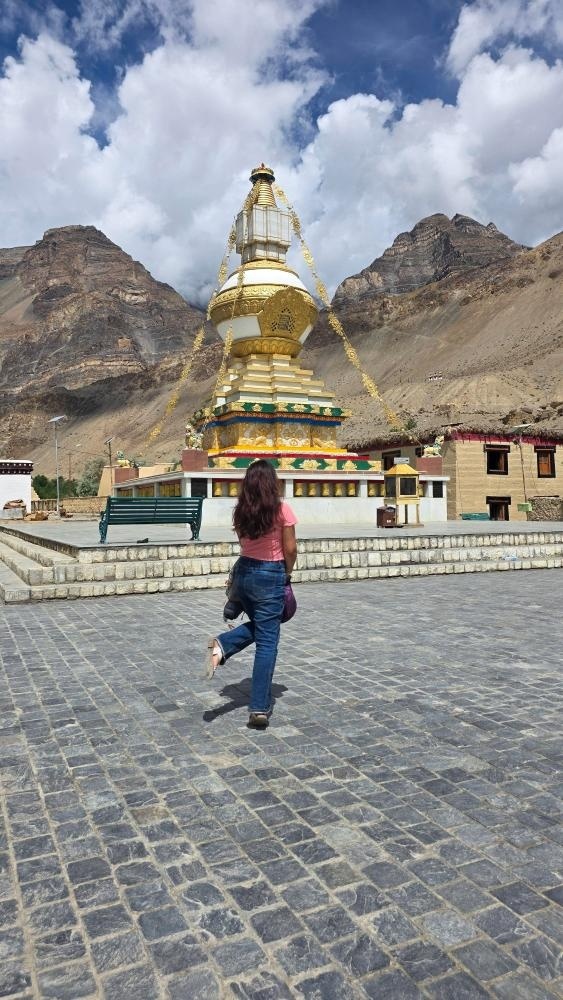
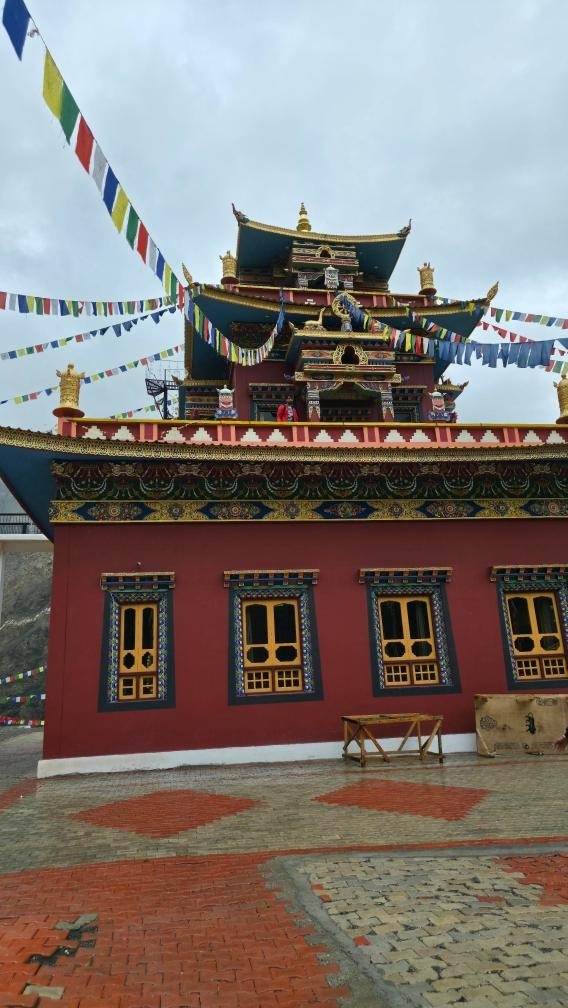
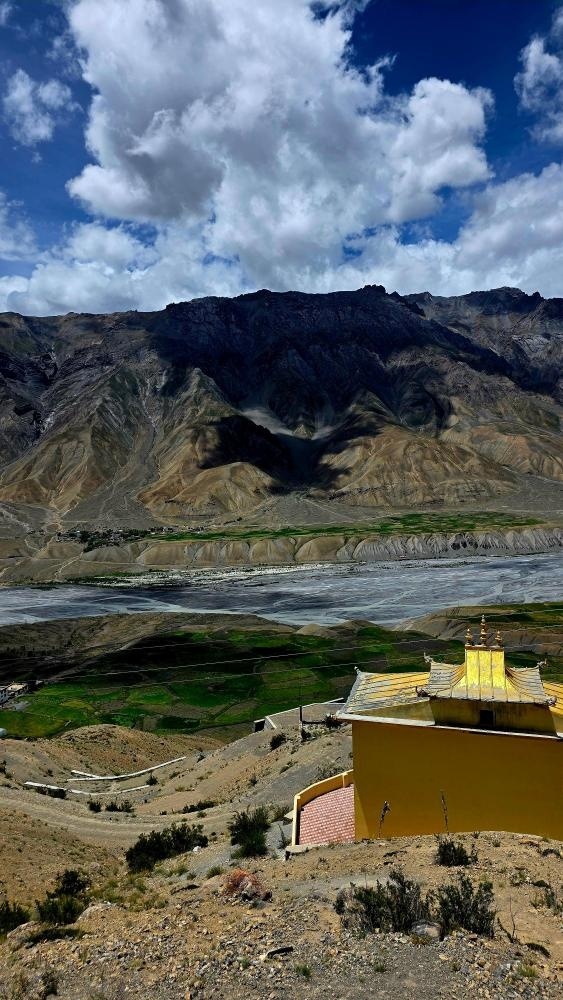
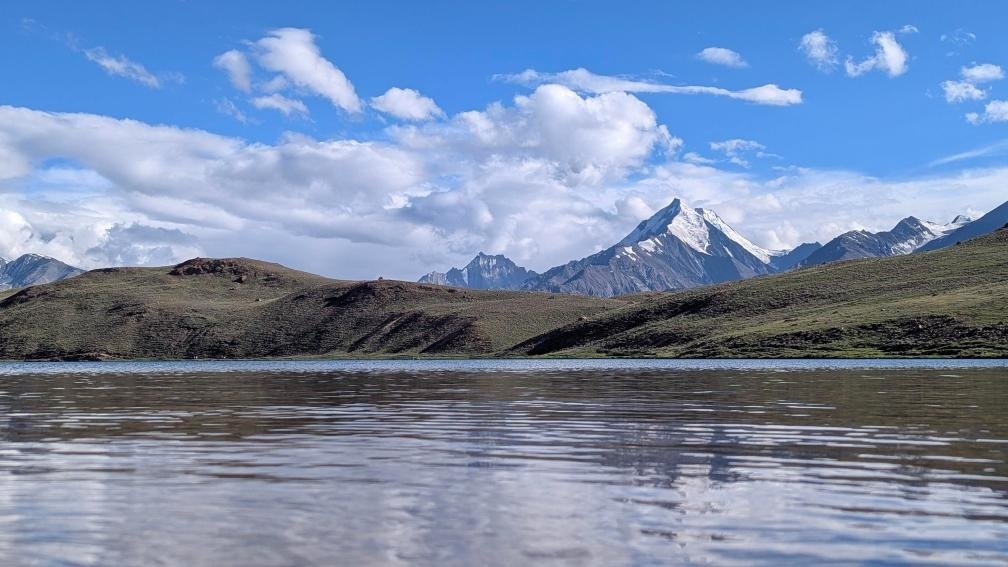
The roads were rough, the air was thin, and every turn looked straight out of a dream. From the peaceful vibes of Key Monastery to the tiny villages of Langza and Komic, everything felt slow and beautiful in its own way and then came Chandratal Lake — so beautiful that for a moment, nobody even cared about pictures.
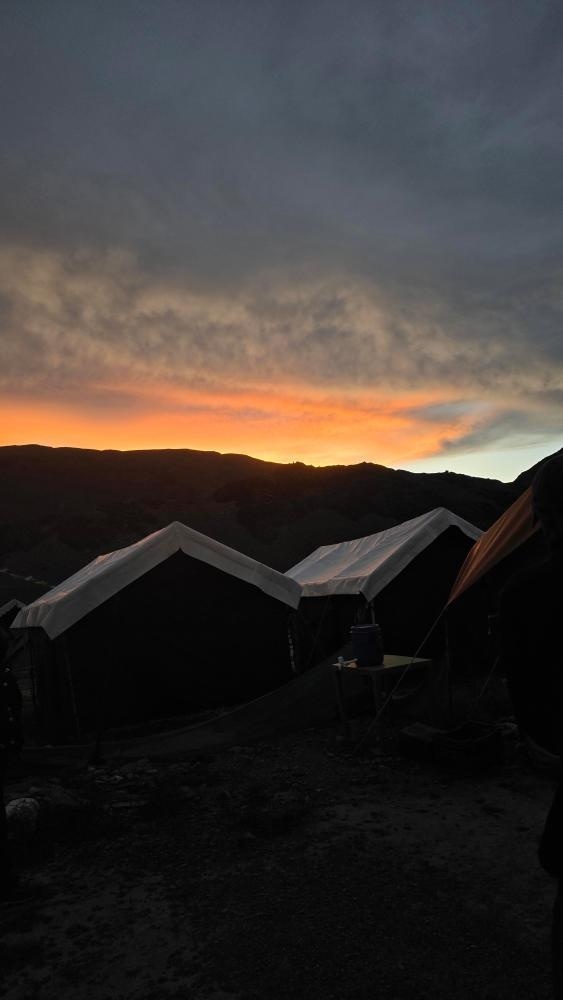
Cold nights, endless stars, mountain chai, dusty roads, random laughter inside the traveler — somehow all of it became a memory I still carry quietly.
Spiti didn’t change my life overnight.
But it did make me realize how peaceful life feels when you stop rushing. Spiti was one of those journeys that slowly became more than just a trip.
It started from Delhi with sleepless bus rides, backpacks, random conversations, and the excitement of leaving city life behind for a while. As we crossed Shimla and entered Kinnaur, the roads slowly became rougher, mountains larger, and the landscapes more dramatic.
Then came the iconic Kinnaur Gate — almost like the official entrance into another world. From there, the roads felt unreal. Narrow highways carved into mountains, deep valleys beside us, falling rocks, rivers flowing below, and endless turns that were equally terrifying and beautiful.
Reaching Kalpa felt peaceful after the long journey. Cold mornings, views of the Kinnaur Kailash range, wooden houses, apple orchards, and complete silence — life there felt incredibly slow and calm.
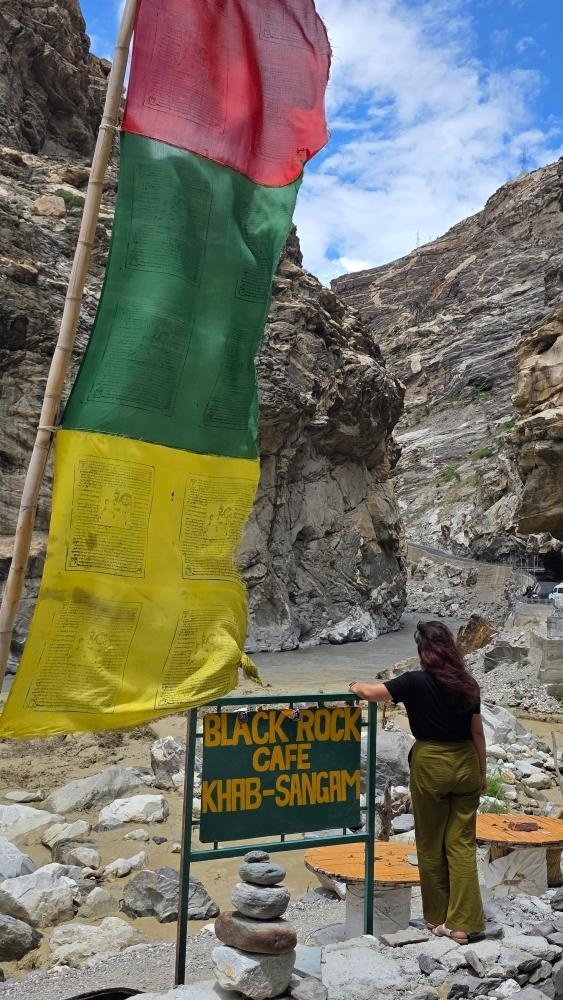
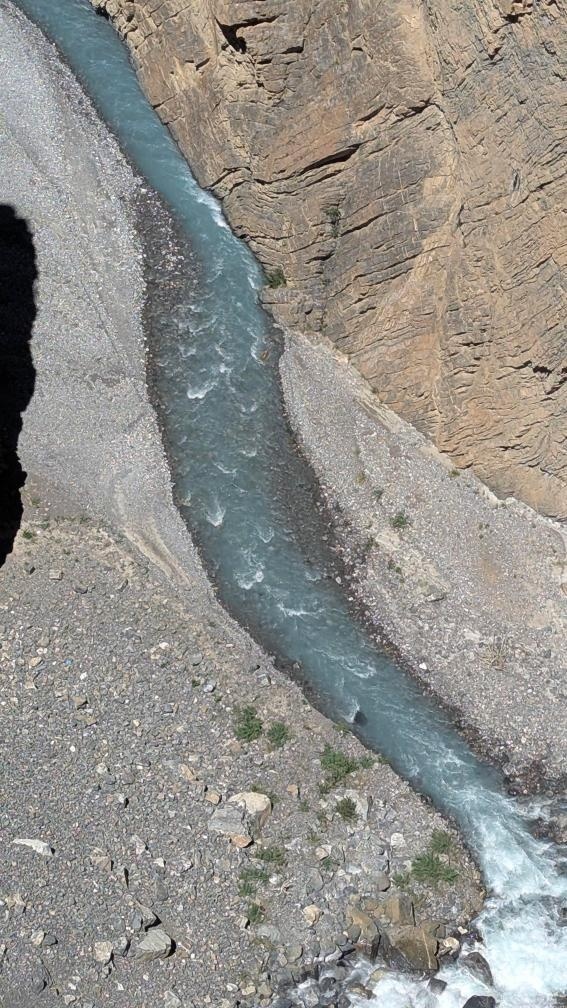
Further ahead, we reached Khab Sangam, where the Spiti and Sutlej rivers meet. Standing there truly felt like entering Spiti. As we moved deeper, the greenery slowly disappeared and Spiti’s raw barren landscapes took over. Somewhere near the border areas, our phones even switched to Chinese time zones for a while, and honestly, that moment made the journey feel even more surreal.
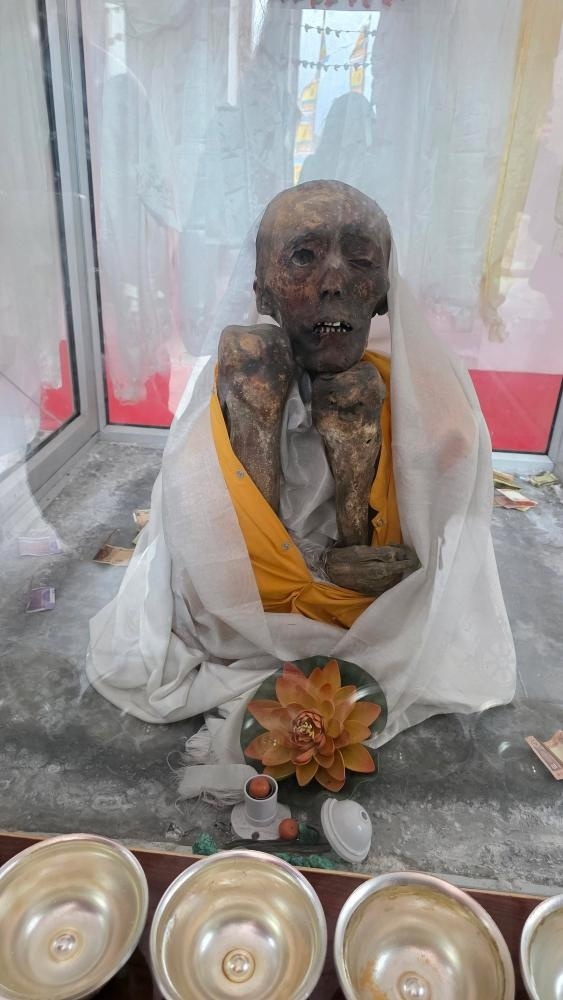
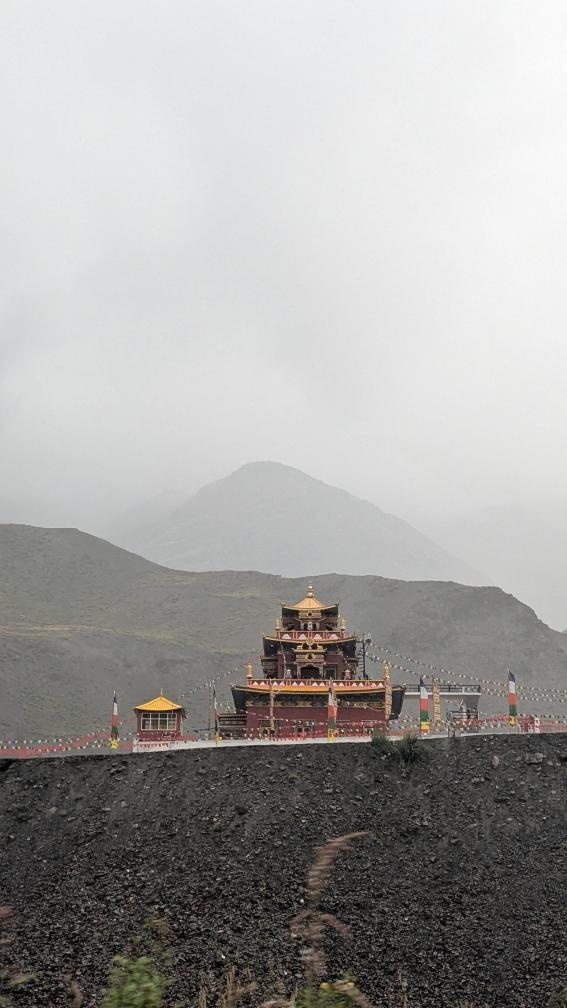
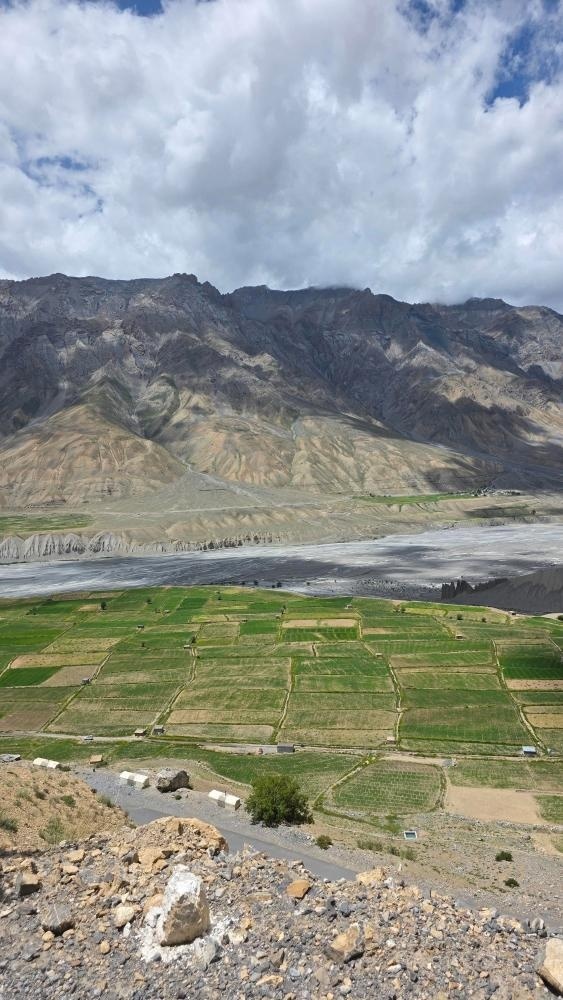
Places like Nako, Tabo, Dhankar, and Gue all felt unique in their own way. Gue especially felt mysterious because of the naturally preserved mummy hidden inside such a tiny isolated village. Eventually we reached Kaza — the heart of the circuit. Small cafés, dusty roads, cold mornings, travelers from everywhere, and mountains surrounding everything. From there we explored Key Monastery, Hikkim, Komic, and Langza.
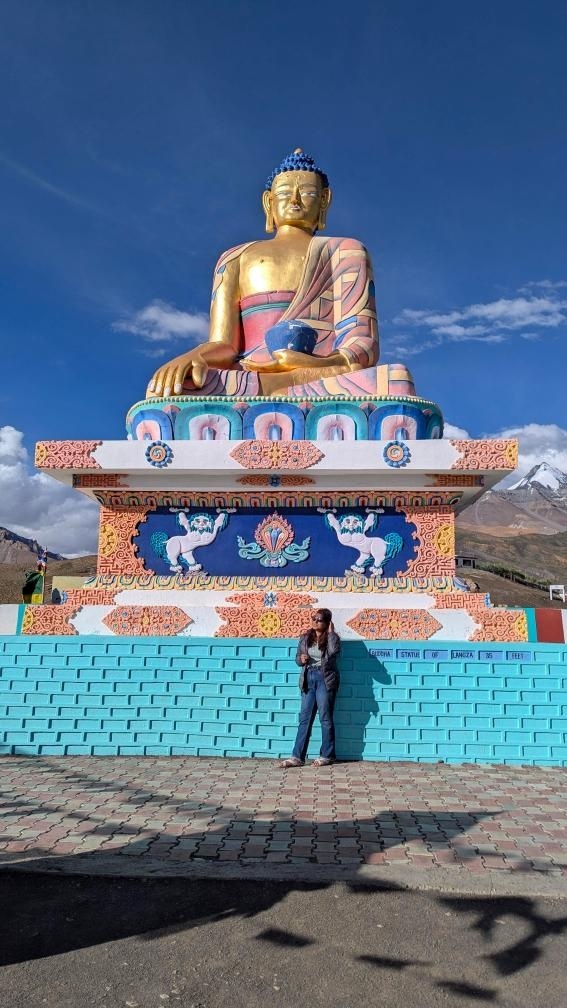
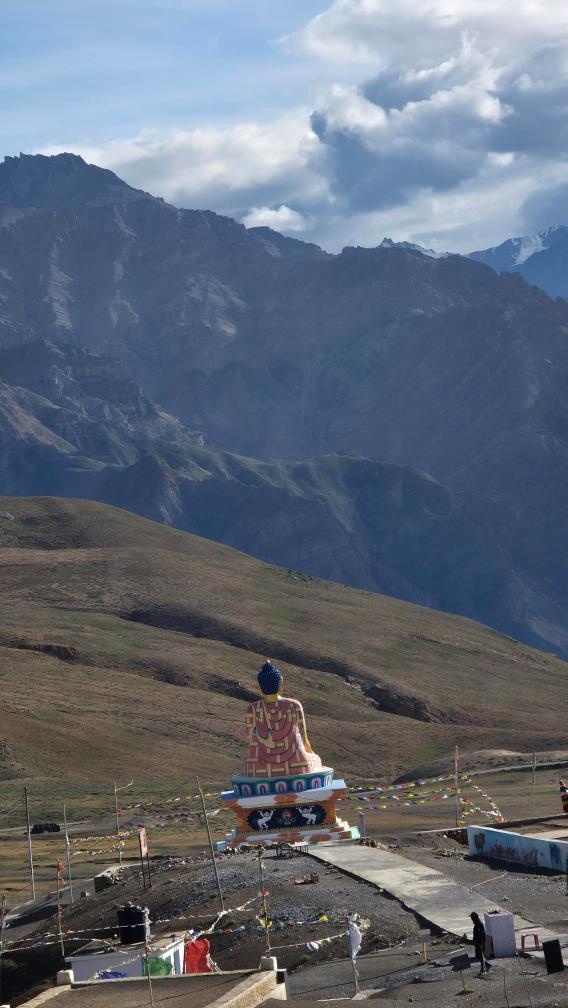
Langza stayed with me the most.
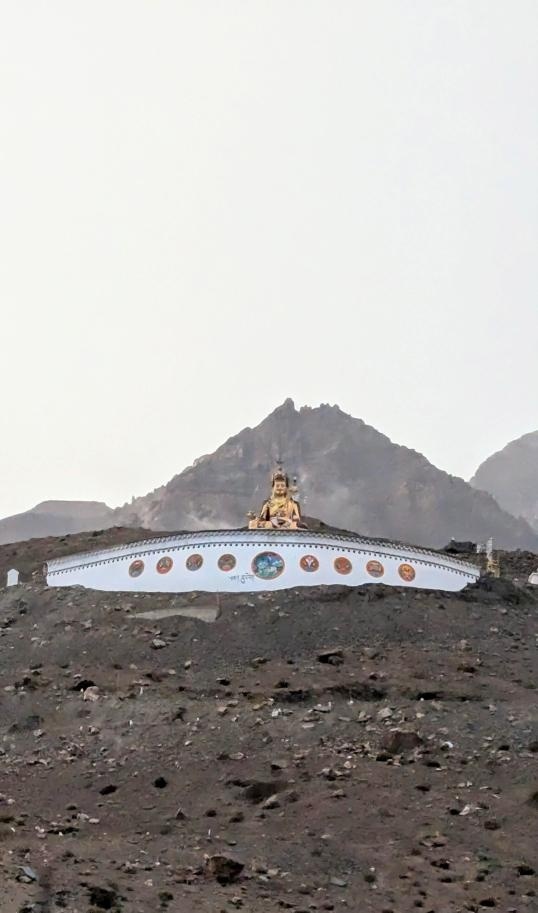
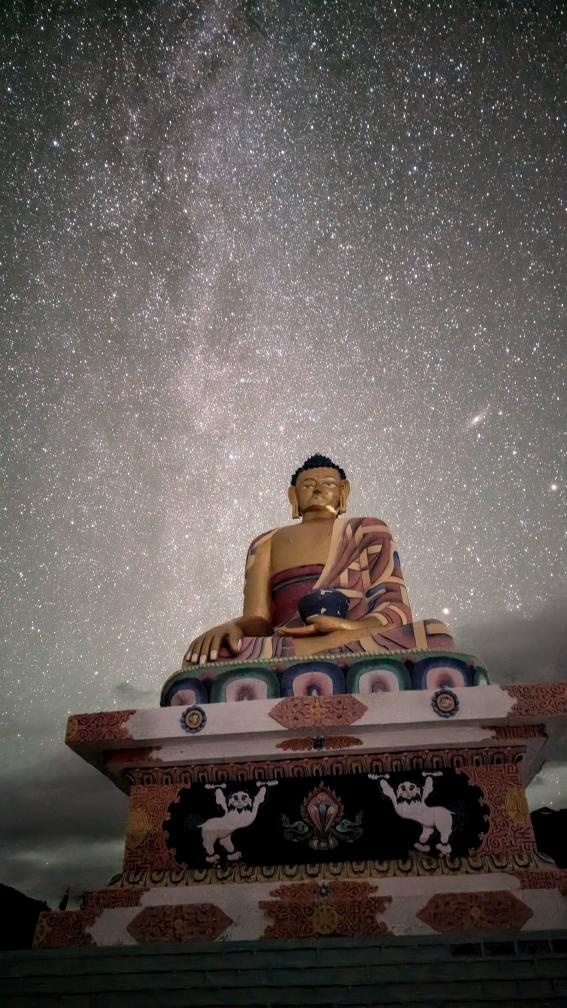
The giant Buddha statue, tiny homes surrounded by barren mountains, freezing winds even during summer, and complete silence made me constantly wonder — if summers here already feel this harsh, how difficult must winters be for the people who actually live here?
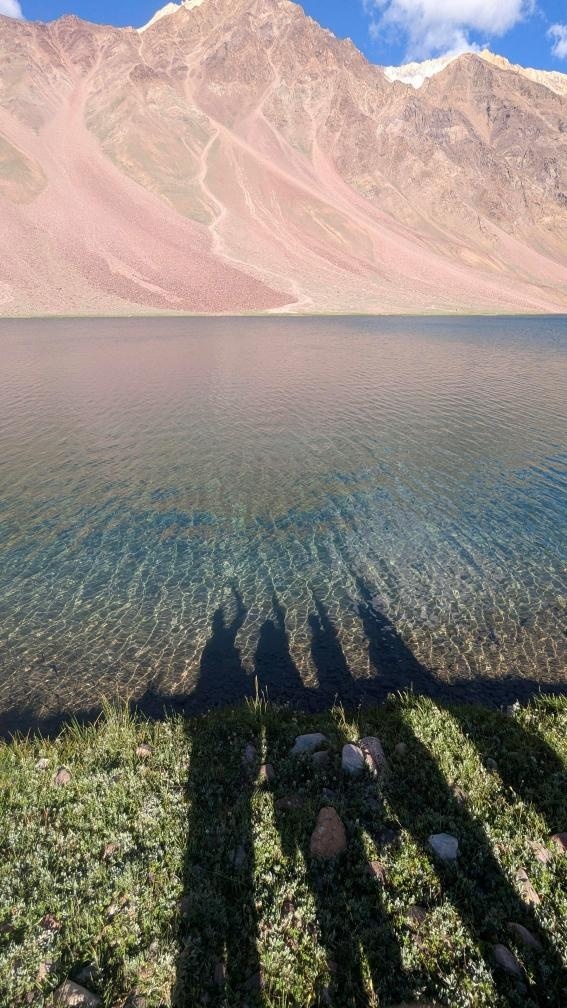
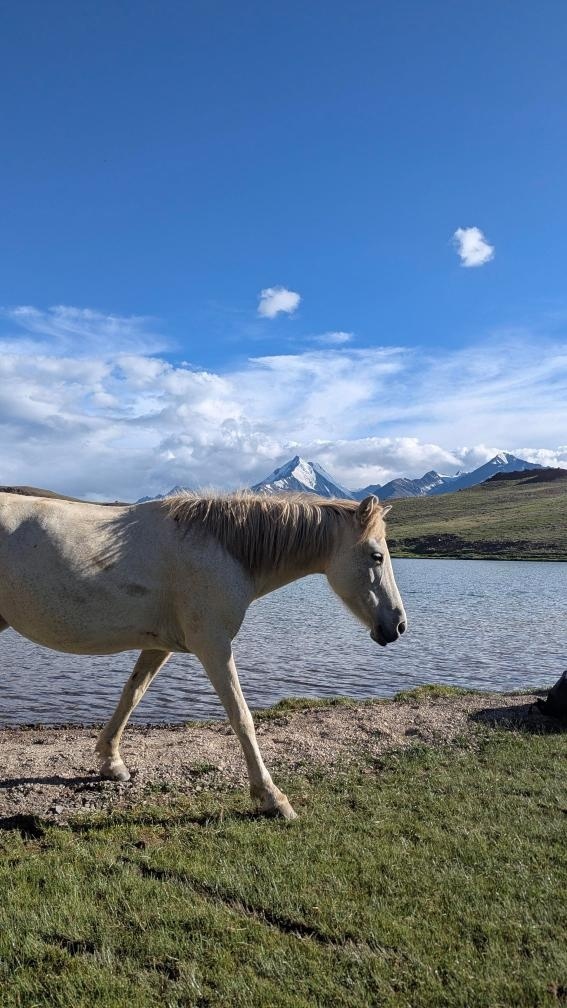
Then finally came Chandratal Lake.
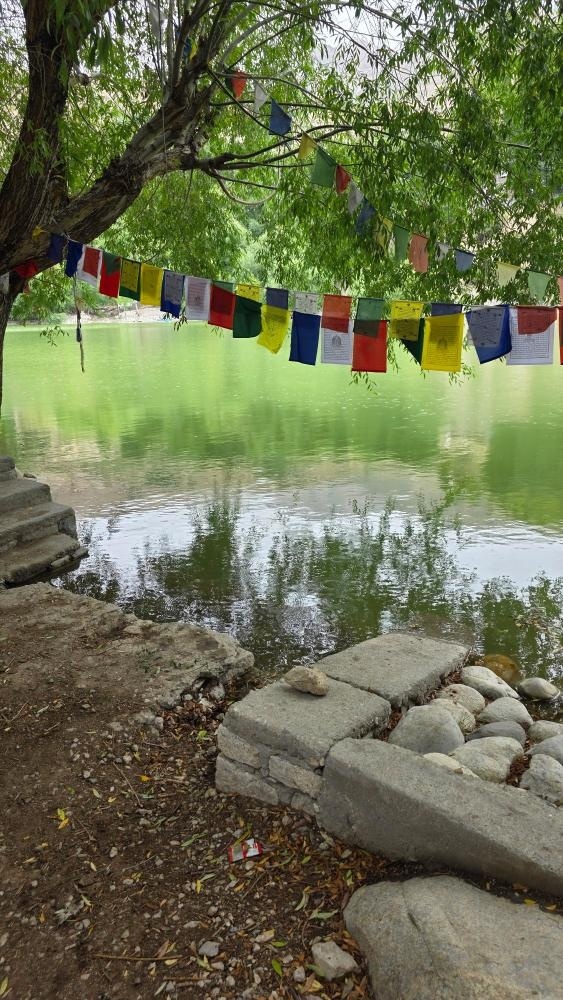
After hours of rough roads and exhaustion, the lake looked unreal — perfectly still blue water reflecting the sky, surrounded by silence and barren mountains. That night near Chandratal, under freezing winds and endless stars, life felt incredibly slow for the first time in a long while. And maybe that’s what Spiti gave me the most.
Not just beautiful views or memories — but a rare pause from the constant noise of normal life.