
RAJASTHAN
The land of might, galore and colours!

By Gaurangi Sharma
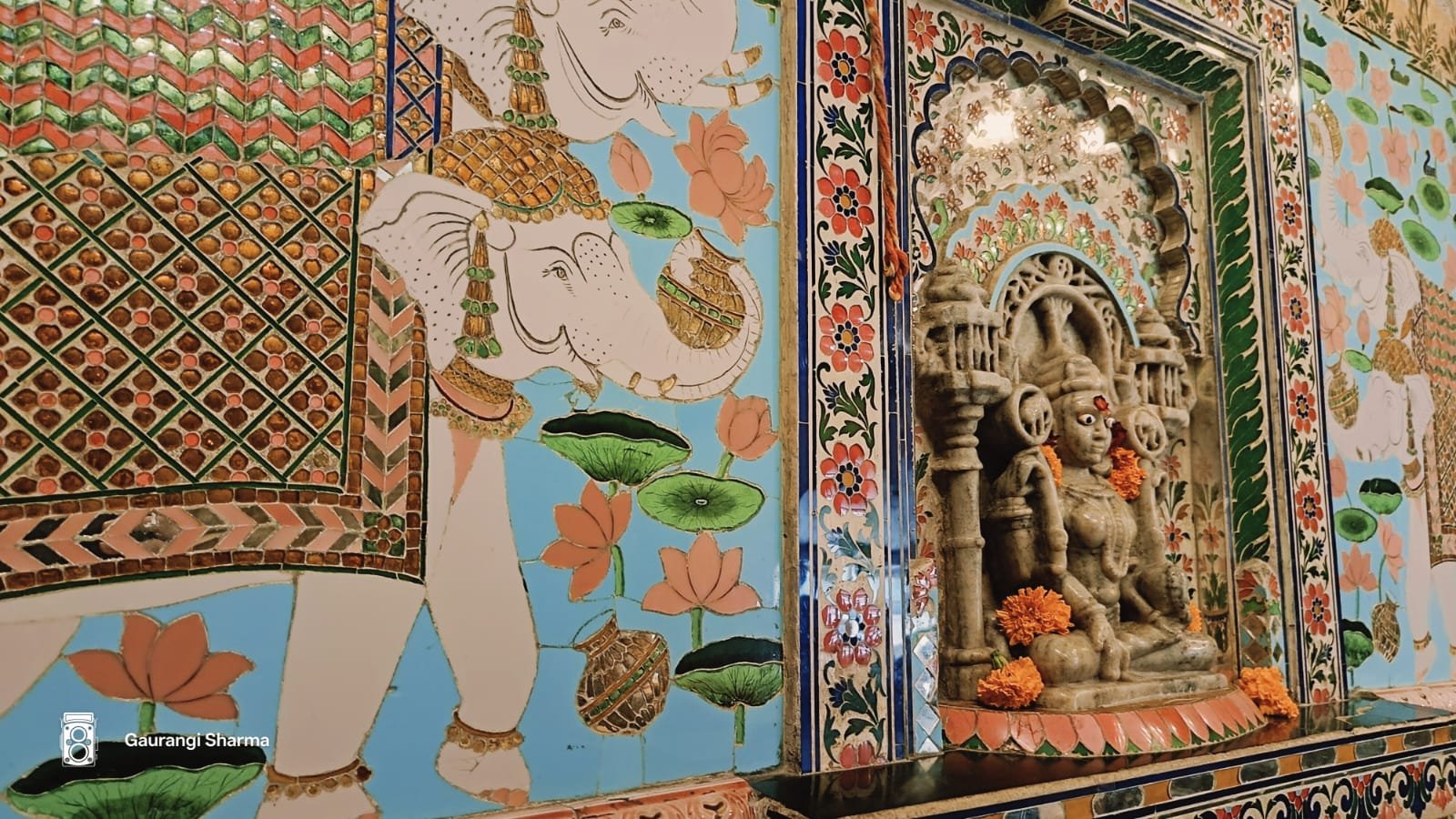
Despite the common image of being painted and portrayed as yellow predominantly, this land is iceberg under the water. The Rajasthan that is popular with the people is limited to popular places, due to lack of knowledge and of course, popularisation through the social media nowadays. This, essentially, in any way is not wrong, but is just a limited attribution to the phenomenal criteria that this place is. Imbued with history in every folklore, turn and old city in the light of modernisation, the colours of Rajasthan are definitely sold short. When talking about colours, its not the just the Bandhani and Leheriya prints, it is about the change of the landscape, foods and architecture.
As a person of history, this can seem biased, but if you ask me, travelling this mighty state can take you at least two years, however, in today’s fast paced living, it is quite not possible; with careful planning and a streak of spontaneity and adventure, you can create your own circuits to cover these places, not on a time run as a tourist, but as a layperson watching marvels.
One such circuit can be Chittorgarh- Udaipur- Kumbhalgarh, a five-day trip essentially. The best part is that each of these cities is the close knitting, located approximately 2–3-hour drives from each other, easily accessible through trains, local transport buses and rental scooters, if you don’t have your own vehicle.
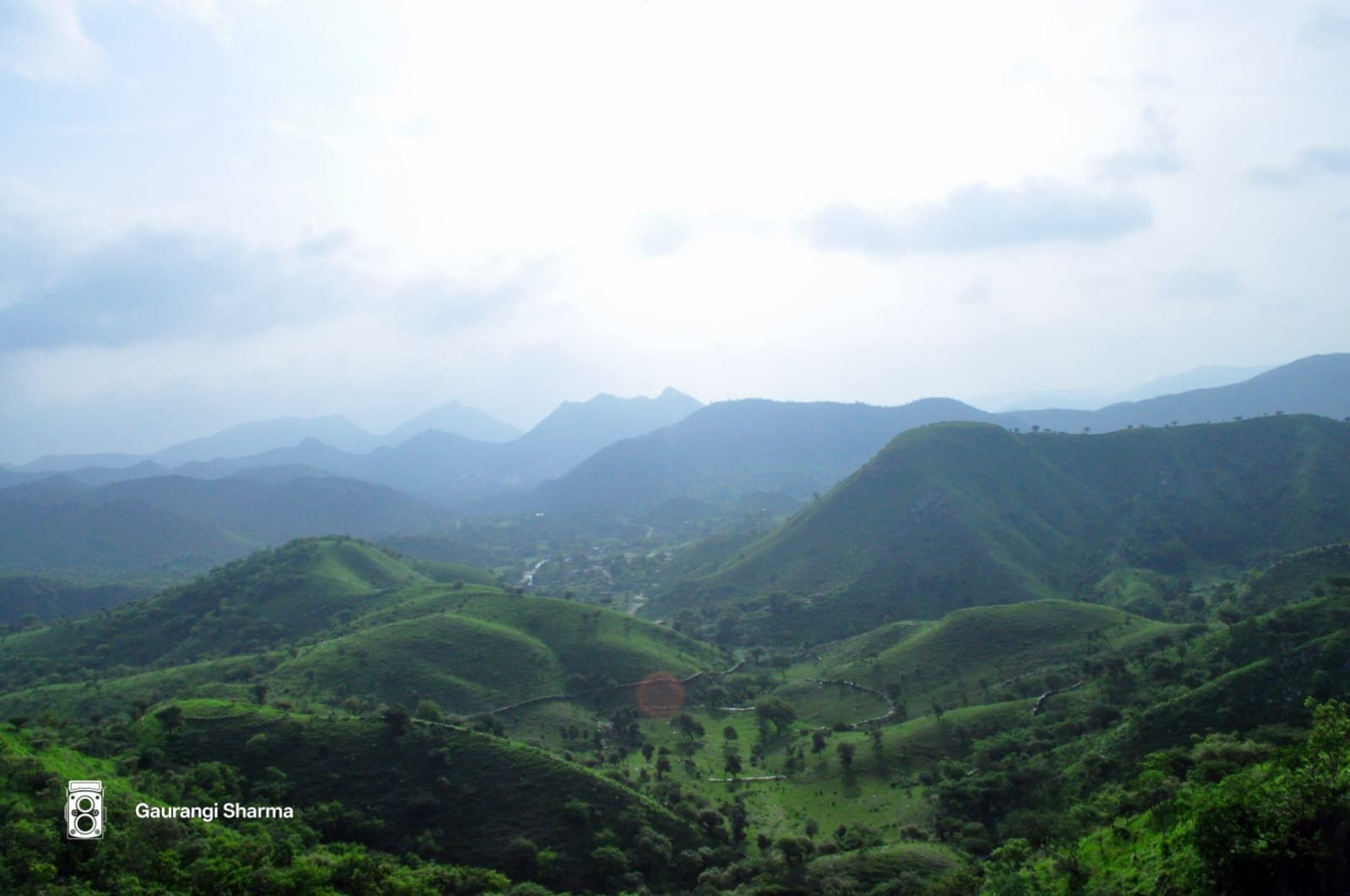
Start your tour from Chittorgarh proceeding to Udaipur the same day and then taking a day trip from Udaipur to Kumbhalgarh, you can even stay a day in Kumbhalgarh if you want to indulge in the local safari in the biodiversity reserve during the lush days in Aravalli. You can allocate the next 2-3 days for Udaipur in your schedule, as well as for easy commute as all means of travel are accessible from here.
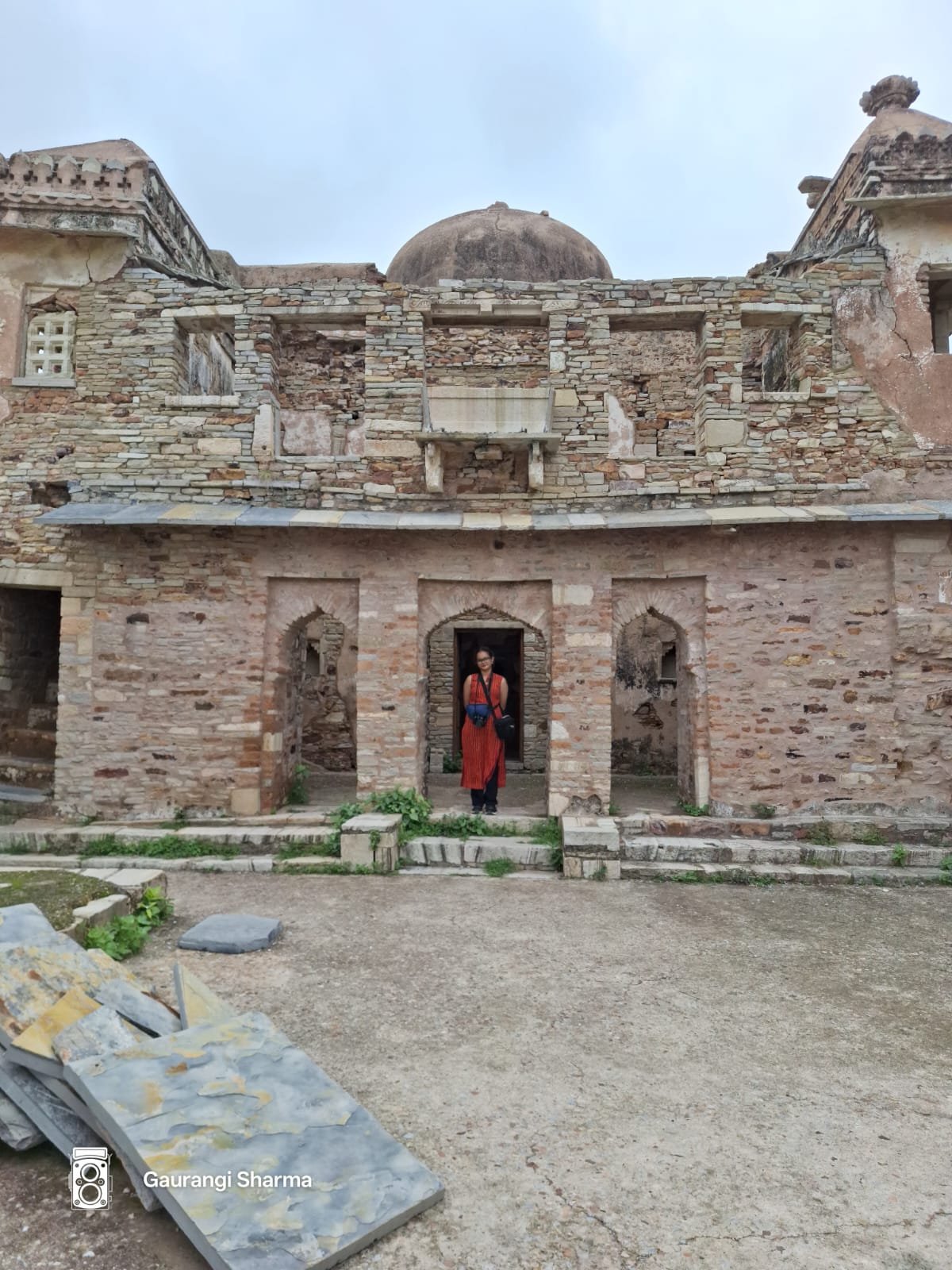
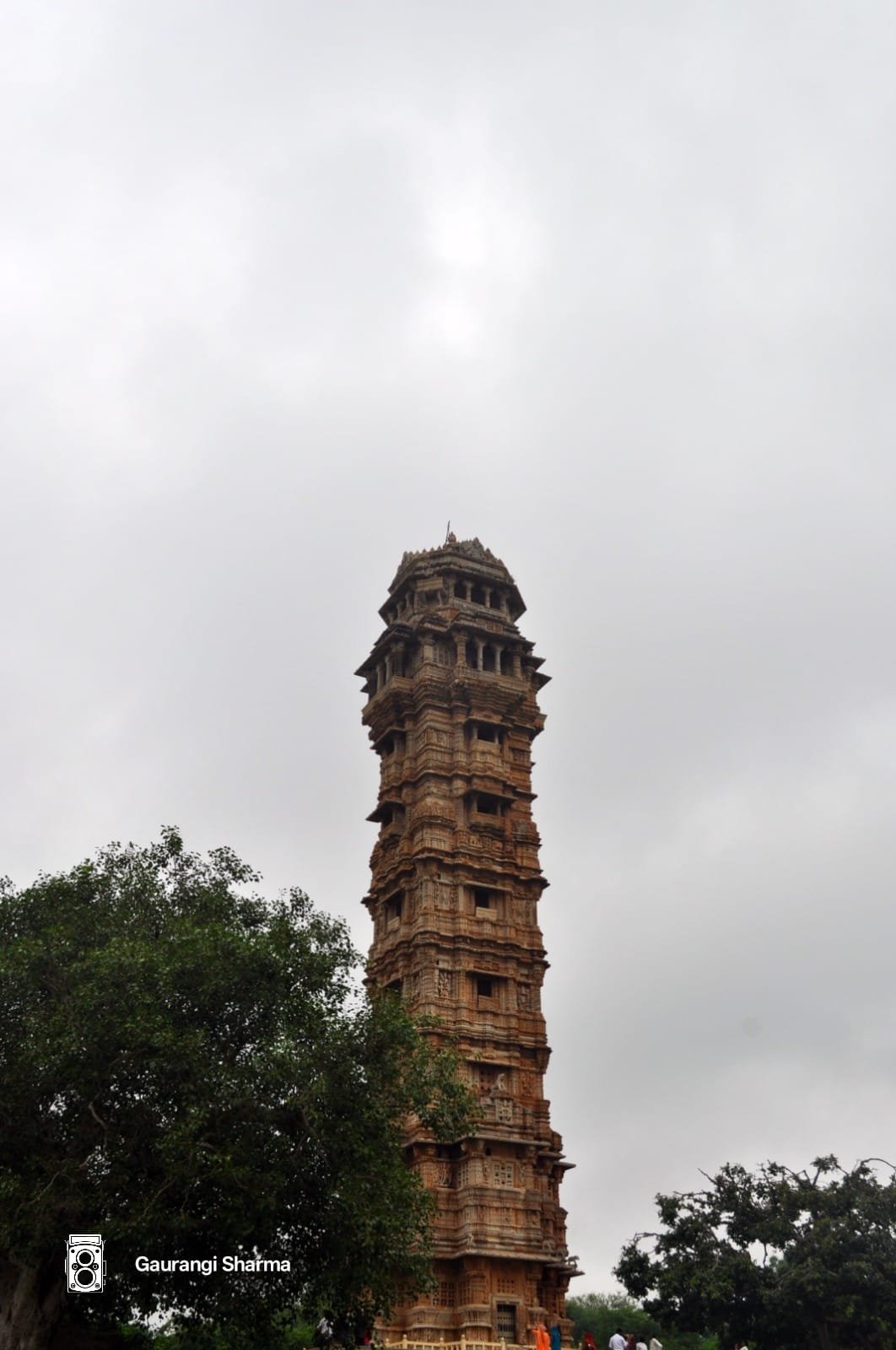
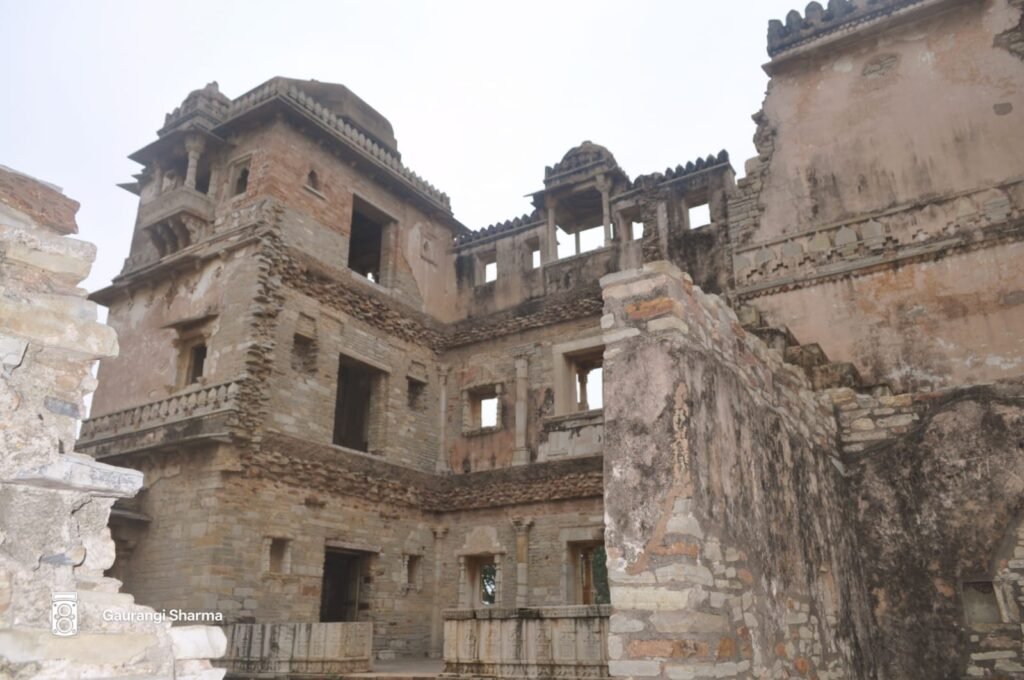
- CHITTORGARH, can be described as vast, alluring, mystical and intricate.India’ s largest living fort complex, famous for its religious allocations and the tale of Mira Bai. It was one of the most aspired forts from the times of struggle between the Rajputs and the Mughals, capturing a vast interest period during Akbar’s siege. The tale of Rani Padmini, war with Khilji and the tragic yet brave Jauhars. This fort has seen three great self-immolations during 1303 CE, 1535 CE and 1568 CE. It is inscribed in the UNESCO world heritage site list and is still home to the indigenous tribes who have been part of the wars throughout the periods of history, now working as local artisans. The fort is vast, therefore, covering it on foot is near to impossible in a day, hence, auto- rickshaws are easily available at bargainable rate. Make sure to instruct and negotiate the tour of both the North and South attractions within the fort walls, as most only take you to the 5-6 very famous places.
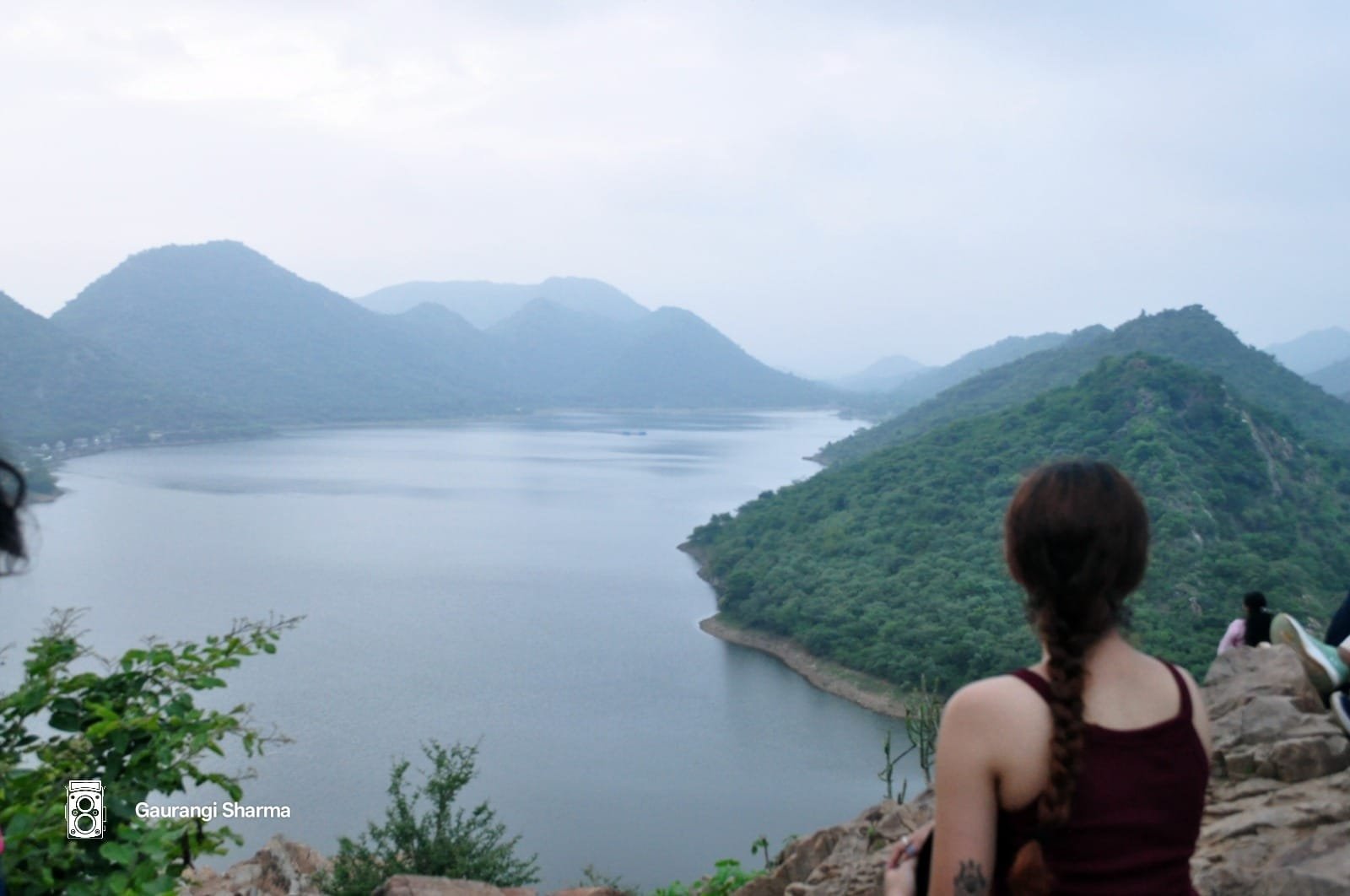
- UDAIPUR, can be described as living, bustling, planetary and cascaded. The old city is the breath of the area. It represents small alleys that lead to different crafts, chowks and the proud history. The mighty fort complex itself whispers the different eras our past has been, both resistance and bowing down in front of the power, that might be stronger. The royal lineage continues and its grandiosity is remarkable, keeping in mind how the decisions of its past have helped sustain its future. Udaipur can be explained as the final destination after a long commotion of fights and sustenance. It is one of the most vibrant places you will ever go to, a place which has adventure, relaxation, picture perfect scenery, budget and luxury alike. Don’t miss out the places suggested by locals! Special mention to Rajwada Bites near Fatehsagar Lake, for one of the best dining experiences you will ever have.
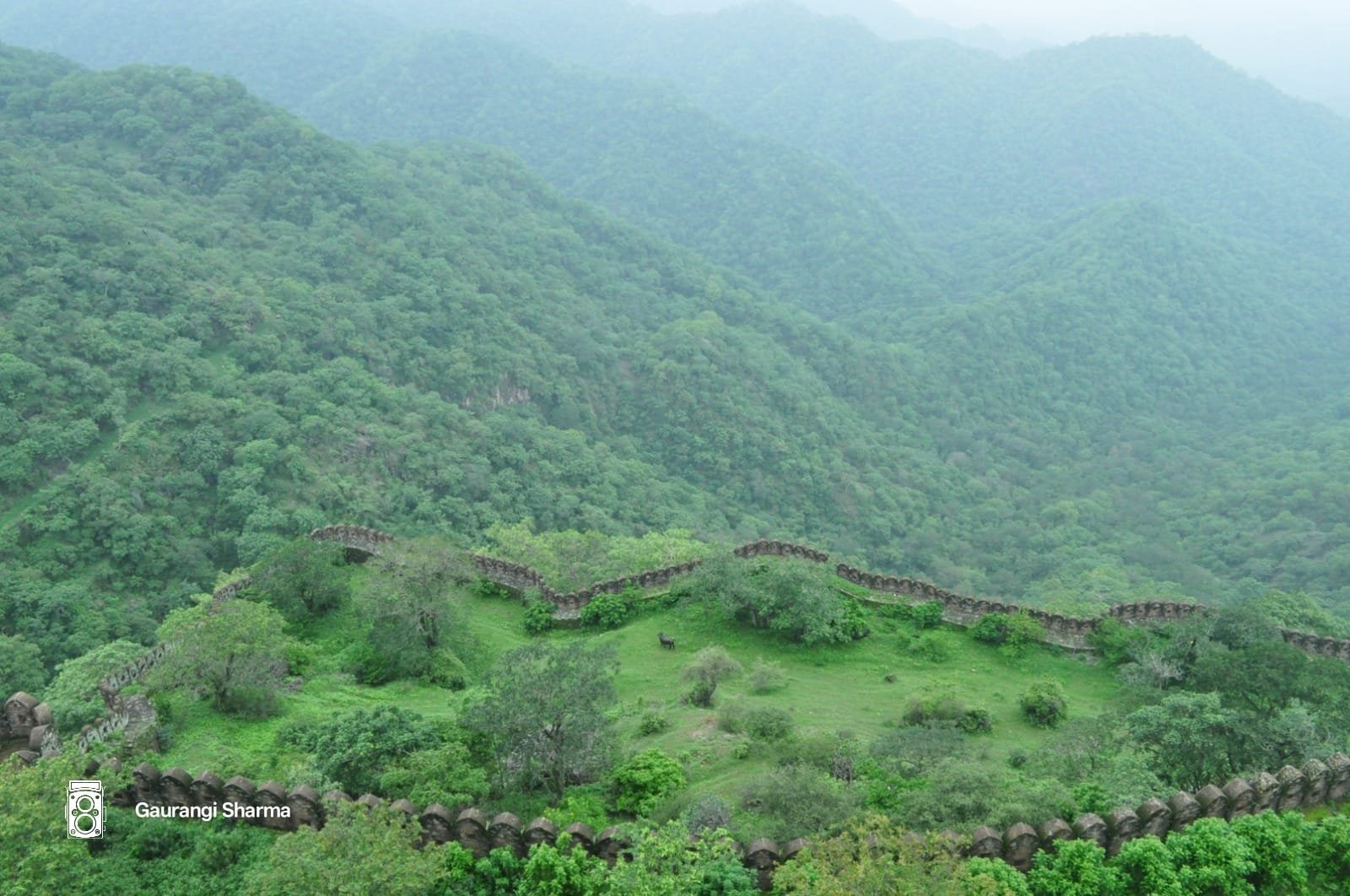
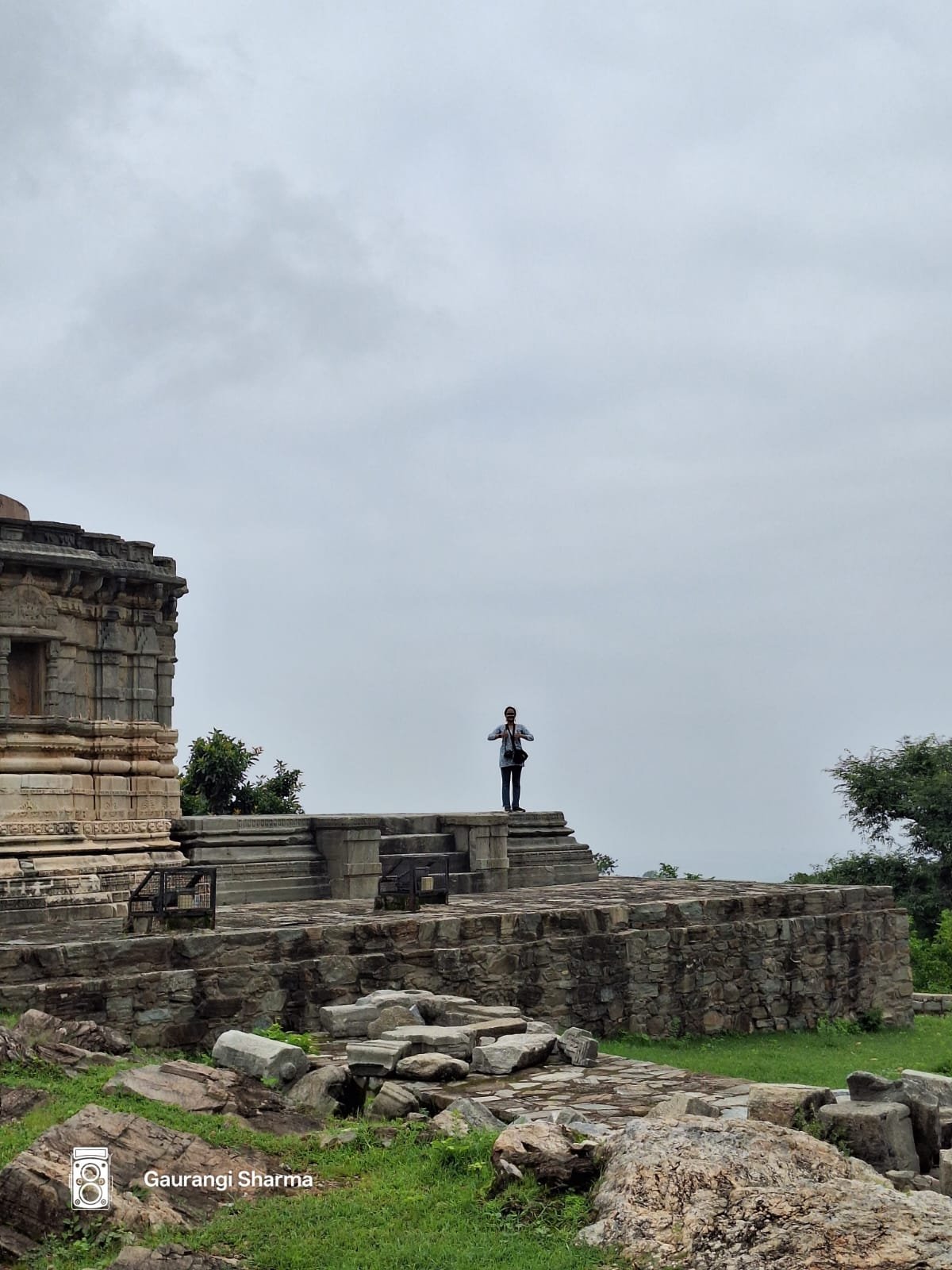
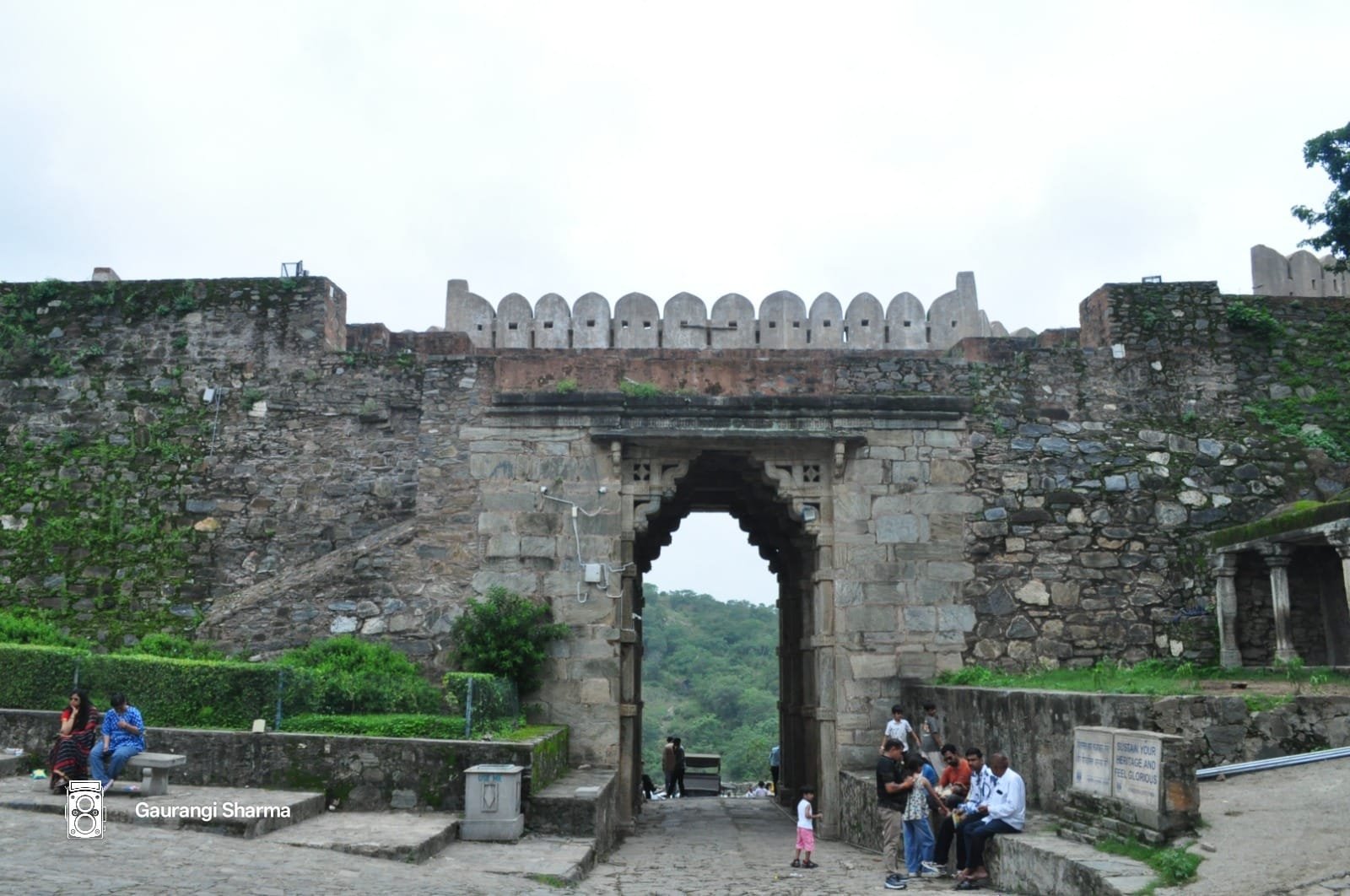
- KUMBHALGARH, can be described as thunderous, valorous, transcending and grand. Built in the 15th century, another UNESCO World Heritage Site, this marvel is known as the hidden fort, and its discovery has been referred as one of the toughest ones during the war between Maharana Pratap and Mughals. The remnants of which are still visible on it. Hiring a guide can give you and edge to understand this fort, as it is essentially a ruin, hence the crucial details can only be projected via someone with appropriate knowledge. The complex’s 36 km long boundary wall or the Great Wall of India /Kumbhalgarh is not completely visible from any part of the fort, and the two living villages that still remain out of the 15 that once resided there, showcase a passed-on heritage.
Places like this remind you of how grandiosity is just a successor to resilience, and how that resilience creates a sense of pride for the nation’s citizens.
Been somewhere unforgettable?
Share your travel tale with our community. Your story could inspire the next journey.
mail us at
admin@tripandtales.com