Preeti Kumari is a History undergraduate at Maitreyi College, University of Delhi, with a strong interest in archaeology and inscriptional studies. Her work focuses on Brahmi edicts, exploring their linguistic and historical contexts to better understand ancient societies. She is particularly interested in material culture, everyday life, and social practices in early South Asian history. Through research and academic study, she aims to integrate archaeological evidence with historical interpretation to deepen the understanding of India’s ancient past.
Linkedin : https://www.linkedin.com/in/preeti-kumari-0994272b5/
Email : preetik0456@gmail.com
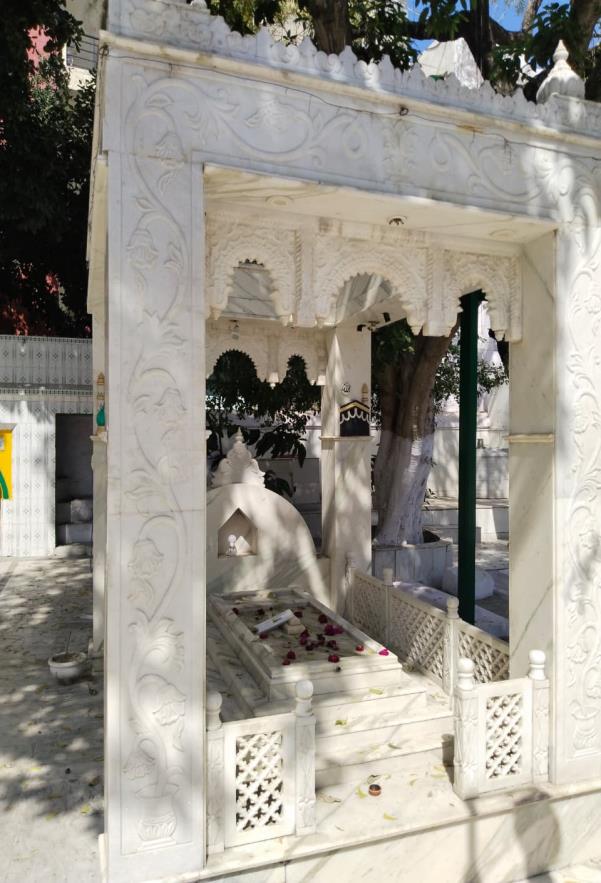
The article explores Hijron ka Khanqah in Mehrauli, a lesser-known 15th-century Sufi hospice and burial site linked to Delhi’s hijra community. It examines the historical role of khanqahs in Sufism, the social and spiritual significance of eunuchs in medieval India, and the site’s architectural and ritual practices. Based on fieldwork and oral narratives, the study highlights the space as a “living necropolis” that reflects community identity, shared worship, and evolving cultural traditions.
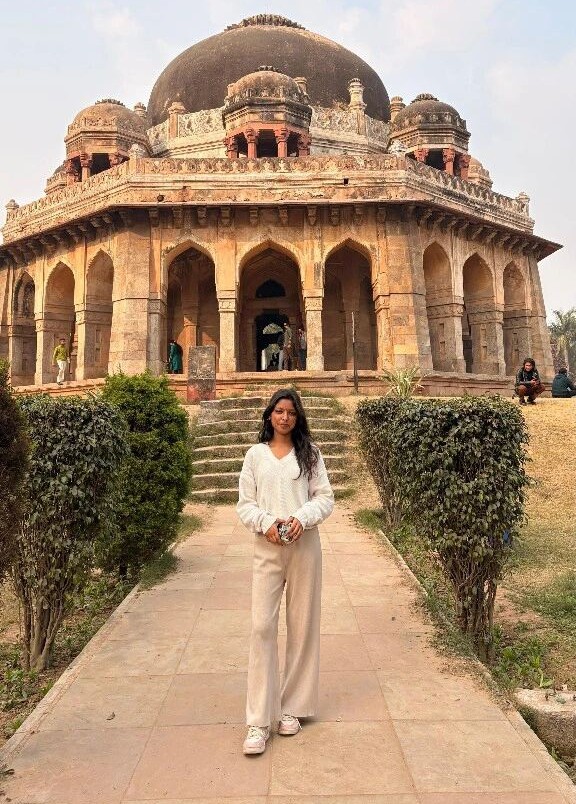
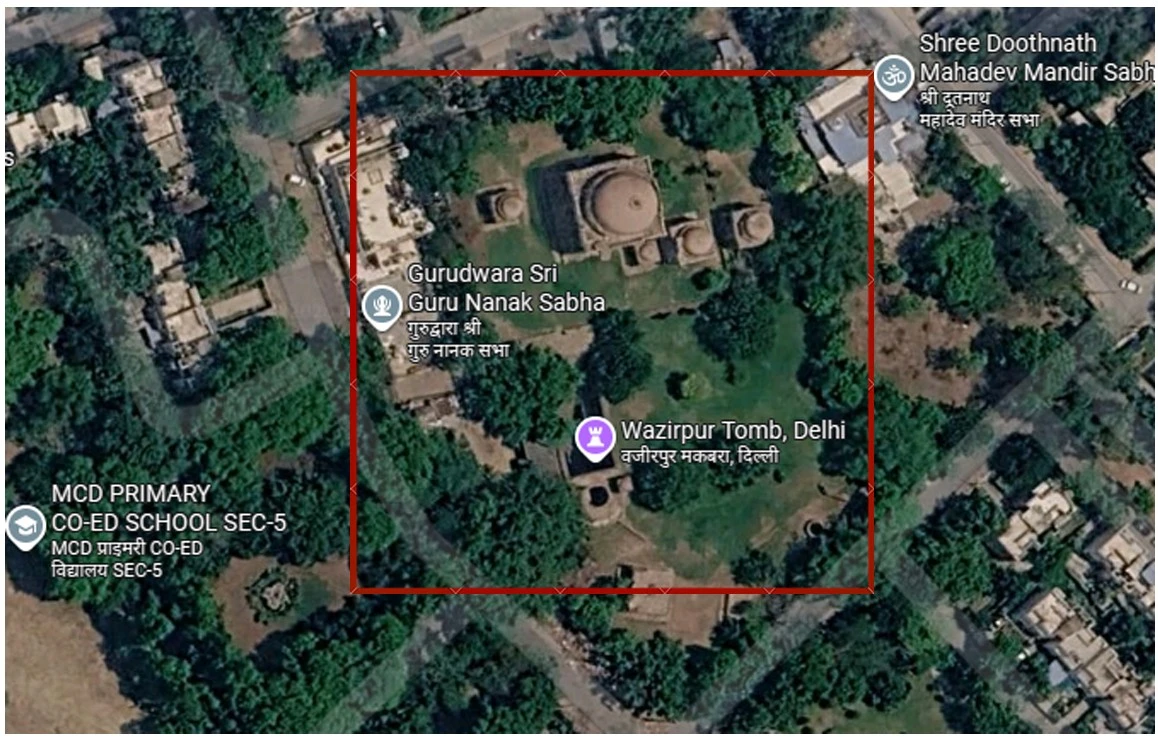
Explore Wazirpur-ka-Gumbad, a lesser-known Lodi-period tomb in Delhi and part of the Wazirpur Tomb Cluster. Discover its mature Sultanate funerary architecture, carefully planned spatial composition, stucco medallions, mihrab decoration, and proportioned dome. Examine the monument’s uncertain patronage, the absence of contemporary inscriptions, local traditions surrounding its name, and its significance within the architectural history of late fifteenth-century Lodi-period Delhi.