
Gaurangi Sharma
A history graduate, with future leaning towards mastery in the field of archaeology, specifically marine and salvage. History and past have been ingrained in Gaurangi’s blood since she was 6 years old. A flame that grew through encyclopaedias and mighty National Museum, has now become a full-fledged field standing on raw interest and exploration. Her field of interests are prehistoric and ancient periods of human history, India specifically. She has exhibited this interest with extensive research over her undergraduate years, through on- hand experiences in a wide array of workshops, seminars and field works, while believing in an interdisciplinary approach.
She firmly believes that Indian subcontinent is a treasure trove of history, but most of its deserved credit is lost to time and colonial subjugation, and it is our foremost responsibility, as enthusiasts, travellers and Indians to preserve it in any possible capacity we have, responsibly. She would like to express the idea ‘History is never just the past; it is a multitude of the pedestal we stand on today and the heritage we pass onto tomorrow’.
Linkedin : linkedin.com/in/gaurangi-sharma-767797293/
Email : gsharmamaitreyi@gmail.com
⭐ Archaeological & Heritage Documentation
Marvels beyond Mainstream - Forgotten Temples of Madhya Pradesh
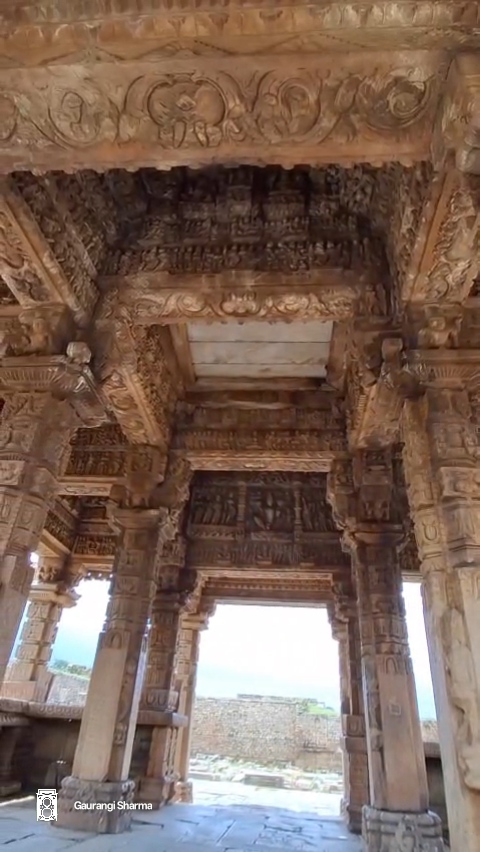
This article explores the lesser explored grand structural remains of Gwalior and Morena Village, namely the Sahastra-Bahu Temples, The Garhi Padavali, The Bateshwar group of Temples and Mitawali. These remains bear the chronological order as early as the late 8th century, depicting the post Gupta hierarchy in the northern Madhya Pradesh, housed in the main hustling city as well as the tough and scenic interiors, acknowledging the engineering-intellectual, economic, heritage, spiritual and political spirit circuit of the time.
Projections of Life
: Classical love discussions at Ajanta
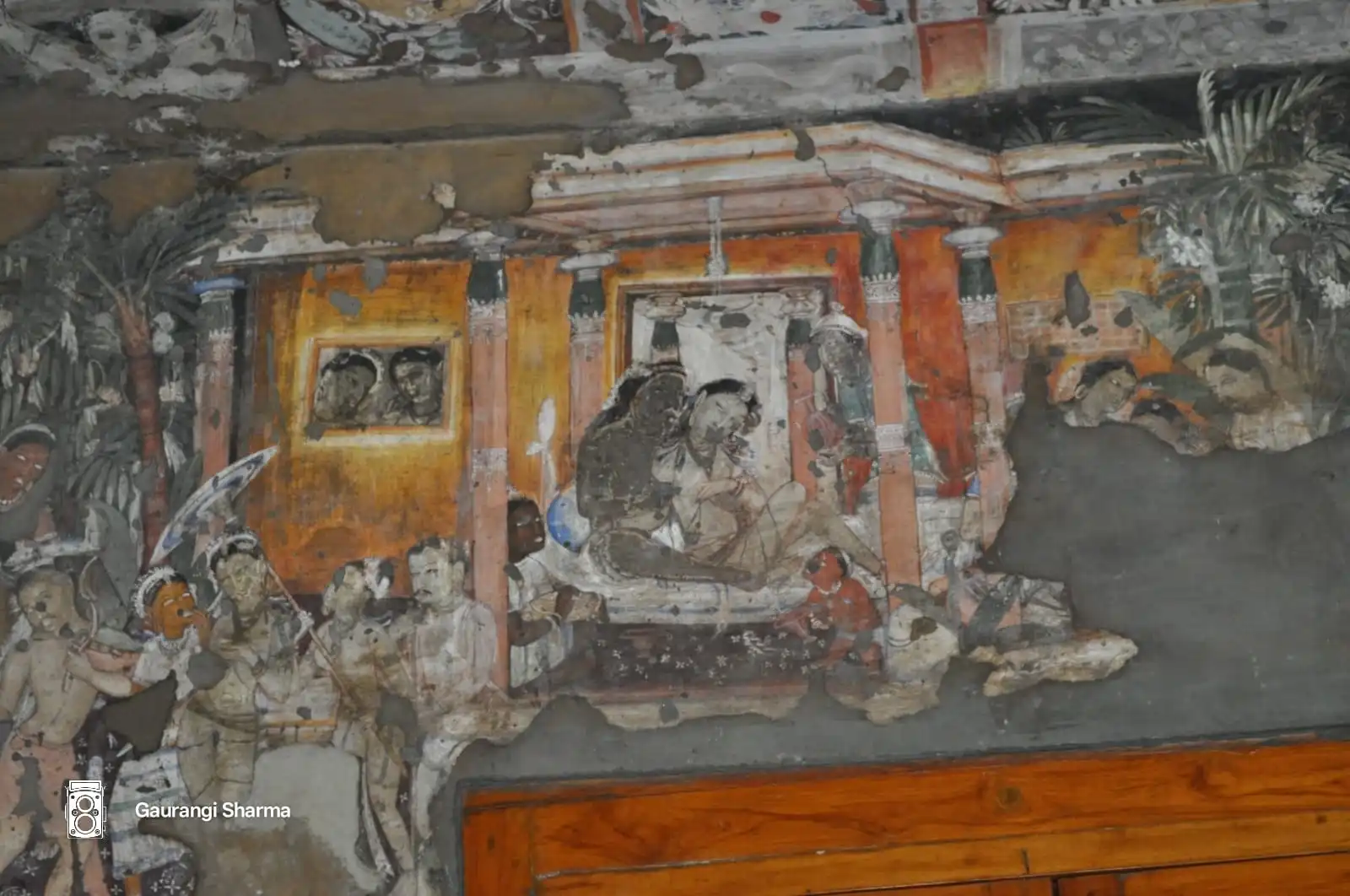
Ajanta Caves’ Cave 17 murals depict a 5th-century amorous couple amid courtly life, revealing sensuality’s artistic and philosophical place in ancient India. Rather than erotic, these Jataka Tale-linked frescoes express Kama—desire encompassing senses, mind, and soul. Hindu and Buddhist philosophies treat Kama not as sinful but as a force requiring balance: indulged mindfully yet ultimately transcended through renunciation, reflecting deeper pursuits of liberation and self-mastery.
The Legends fo Kumbhalgarh : From Mauryas to Mewar
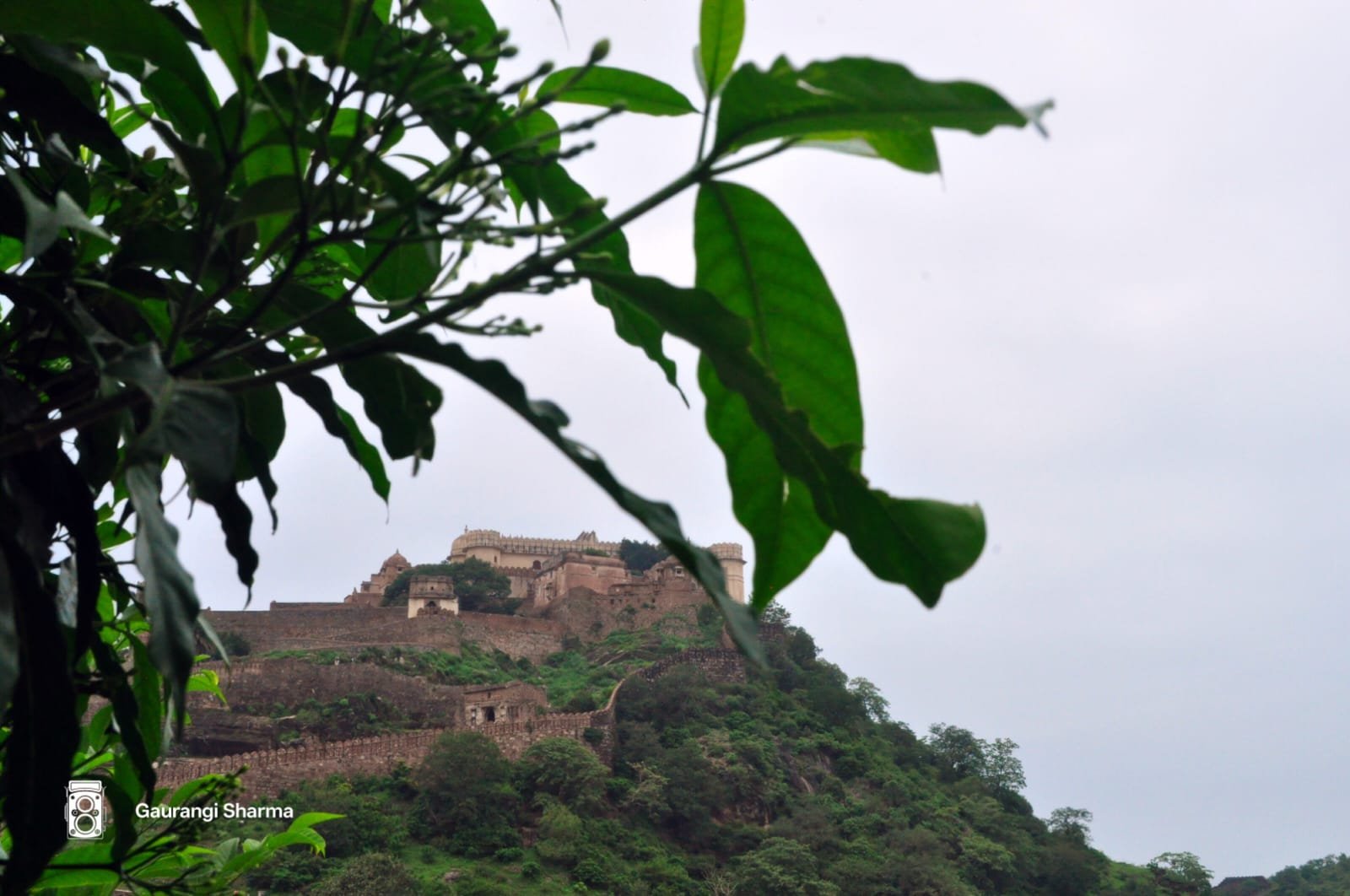
Kumbhalgarh Fort, nestled high in the Aravalli hills of Rajasthan, is a remarkable blend of history, legend and Rajput military architecture. Built under Rana Kumbha in the 15th century, the fort is famed for its massive 36-kilometre wall, grand gateways, ancient temples and strategic design. From the legend of Bhairon Baba to its battles and breathtaking views from Badal Mahal, Kumbhalgarh offers a fascinating glimpse into Rajasthan’s past.